
Complete Guide to Getting a Tattoo at a Tattoo Studio in Panjim, Goa
Choosing where to get tattooed matters more than most people realise. This guide covers how to judge a studio, choose a style and a design, prepare for the session, and look after the work afterwards.
On This Page
Goa has no shortage of places to get tattooed. Between the beach shacks, the seasonal pop-ups and the permanent studios, the choice can be genuinely confusing — especially if you are visiting for a short time and want something you will still be happy with in ten years. If you are looking for a tattoo studio in Panjim, this guide covers what actually matters.
One note on geography, because it saves confusion later. Dynamic Tattoo Studio serves clients from Panjim and Panaji and across Goa, but the studio itself is not inside Panjim city. It sits at Church Basilica Junction in Old Goa, roughly 10 km east of Panaji, opposite the Basilica of Bom Jesus. For most people travelling from the city that is a short drive, and it is worth knowing before you set out rather than after.
How to Choose the Right Tattoo Studio in Panjim, Goa
Quick Answer
Choosing a tattoo studio should involve more than price. Look at healed work rather than fresh photos, check the artist specialises in your style, watch how hygiene is handled in front of you, and judge the conversation — a studio that asks about placement and meaning is designing for you.
Almost every studio will show you its best work. The more useful question is whether that work is consistent, and whether it is the kind of work you actually want.
Look at healed work, not just fresh photos. A tattoo photographed minutes after it is finished always looks its sharpest. Healed photographs are the honest test of whether the lines held and the shading settled evenly.
Check that the artist specialises in your style. Tattooing is not a single skill. The control needed for fine mandala linework is different from the shading needed for realism, which is different again from packing solid black for a tribal band. A studio that works across styles should still be able to point you to the right person for yours.
Watch how hygiene is handled in front of you. Needles opened from sealed packaging in your presence, fresh gloves, wrapped machines and barrier film on surfaces are all visible without asking a single question.
Pay attention to the conversation. A studio that asks what the tattoo means to you, where you want it and what you already have planned is designing for you. One that quotes a price before understanding the idea is selling you a transaction.
Ask what happens afterwards. Clear aftercare guidance is part of the service, not an optional extra.
Choose Your Tattoo Style Before Your Appointment
You do not need to arrive with a finished design, but arriving with a sense of the style makes everything faster. Style determines which artist is best suited to the piece, how long it takes, how large it needs to be and how it will age.
Dynamic Tattoo Studio works across ten styles: realistic, portrait, custom, cover-up, black and grey, religious, traditional, mandala, small and armband work.
Explore Tattoo Styles
If you are unsure where your idea fits, the tattoo styles overview is the easiest place to start.
Popular Tattoo Styles to Explore in Goa
Every piece below was completed at the studio. They are worth looking at less as designs to copy and more as examples of what each style can do.
Realistic Tattoos
Realism reproduces a subject the way a photograph sees it, building form out of graduated shading instead of outlines. Because no bold line holds the shape together, everything depends on the values being right — which is why realism is usually layered across more than one sitting, and planned larger than clients first expect.
Portrait Tattoos
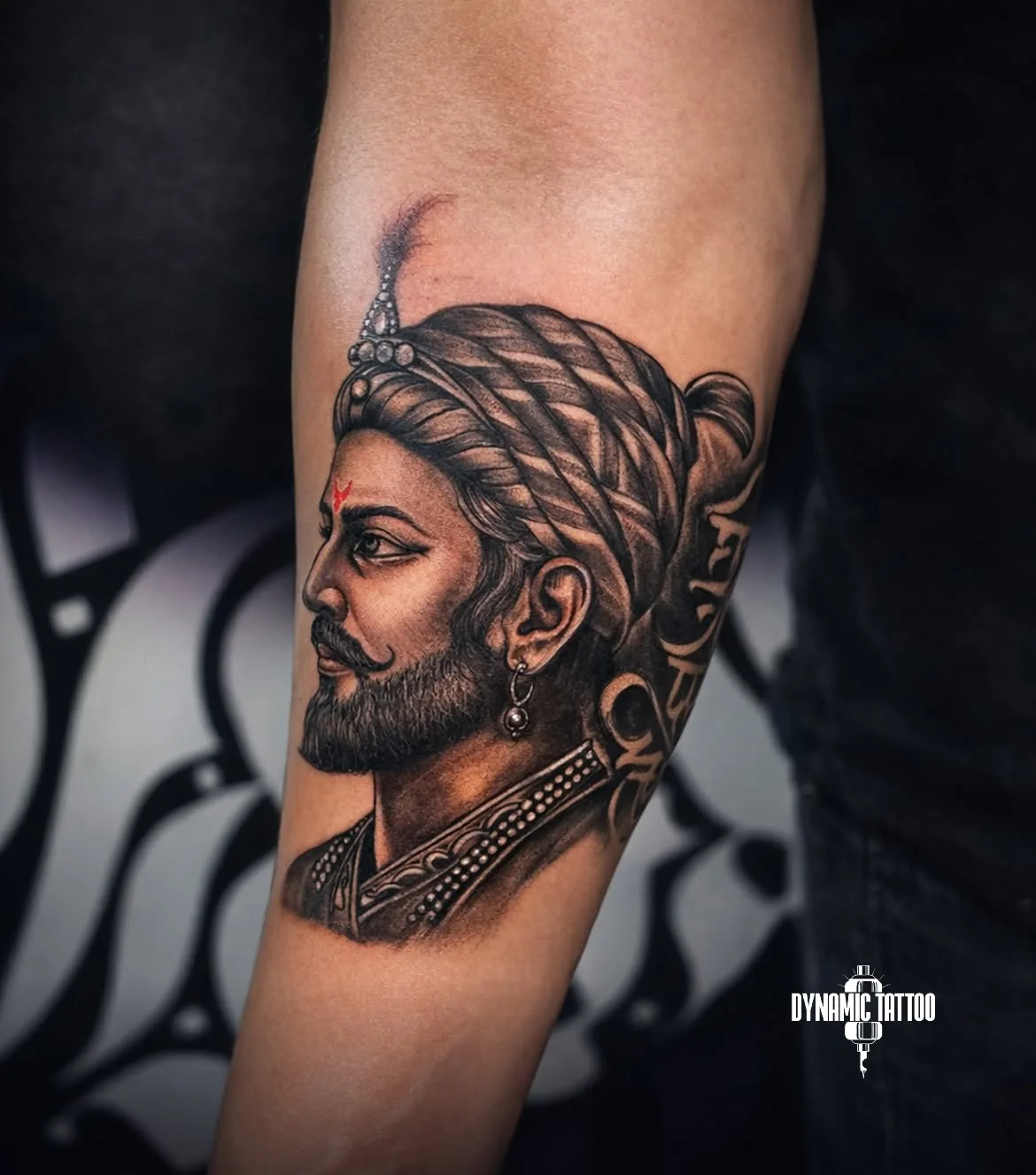
Portraits are the most demanding form of realism, because the eye immediately notices when a face is even slightly wrong. A sharp, well-lit, high-resolution reference makes the difference — soft focus, filters and small forwarded screenshots strip out exactly the detail the tattoo needs.
Black and Grey Tattoos
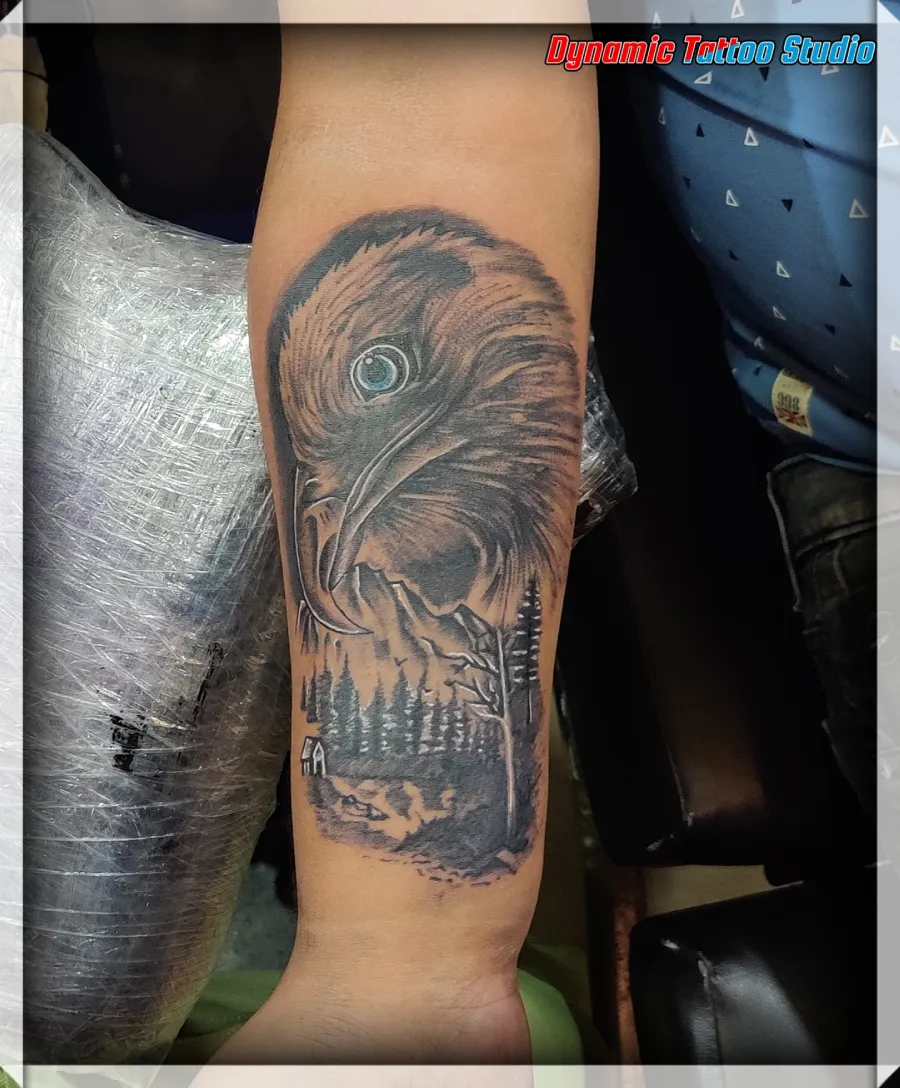
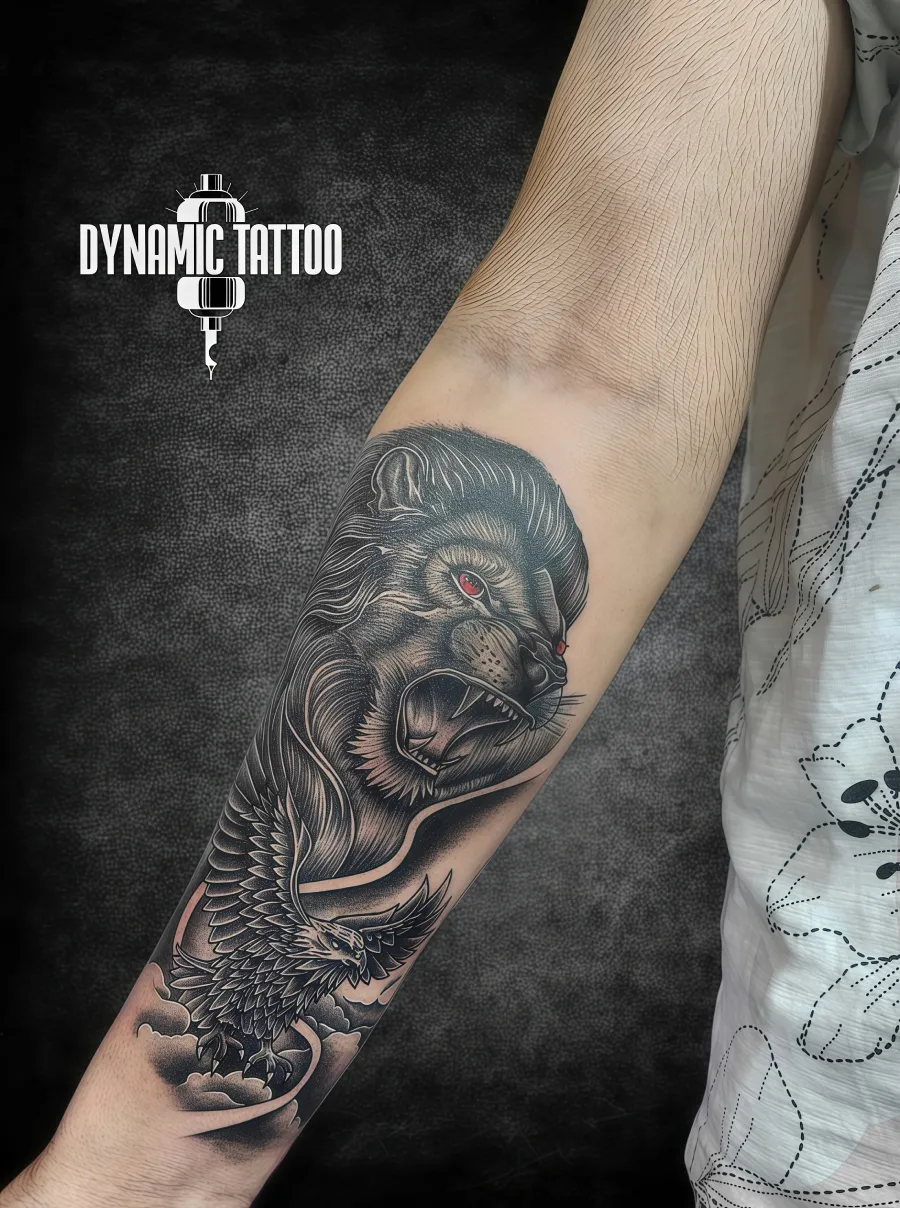
Black and grey is not a colour tattoo with the colour removed. The whole image is built from one pigment diluted to different strengths, so every bit of depth comes from contrast alone. It suits animals, script, religious imagery and memorial pieces particularly well, and black pigment is the most stable ink over time.
Tribal Tattoos
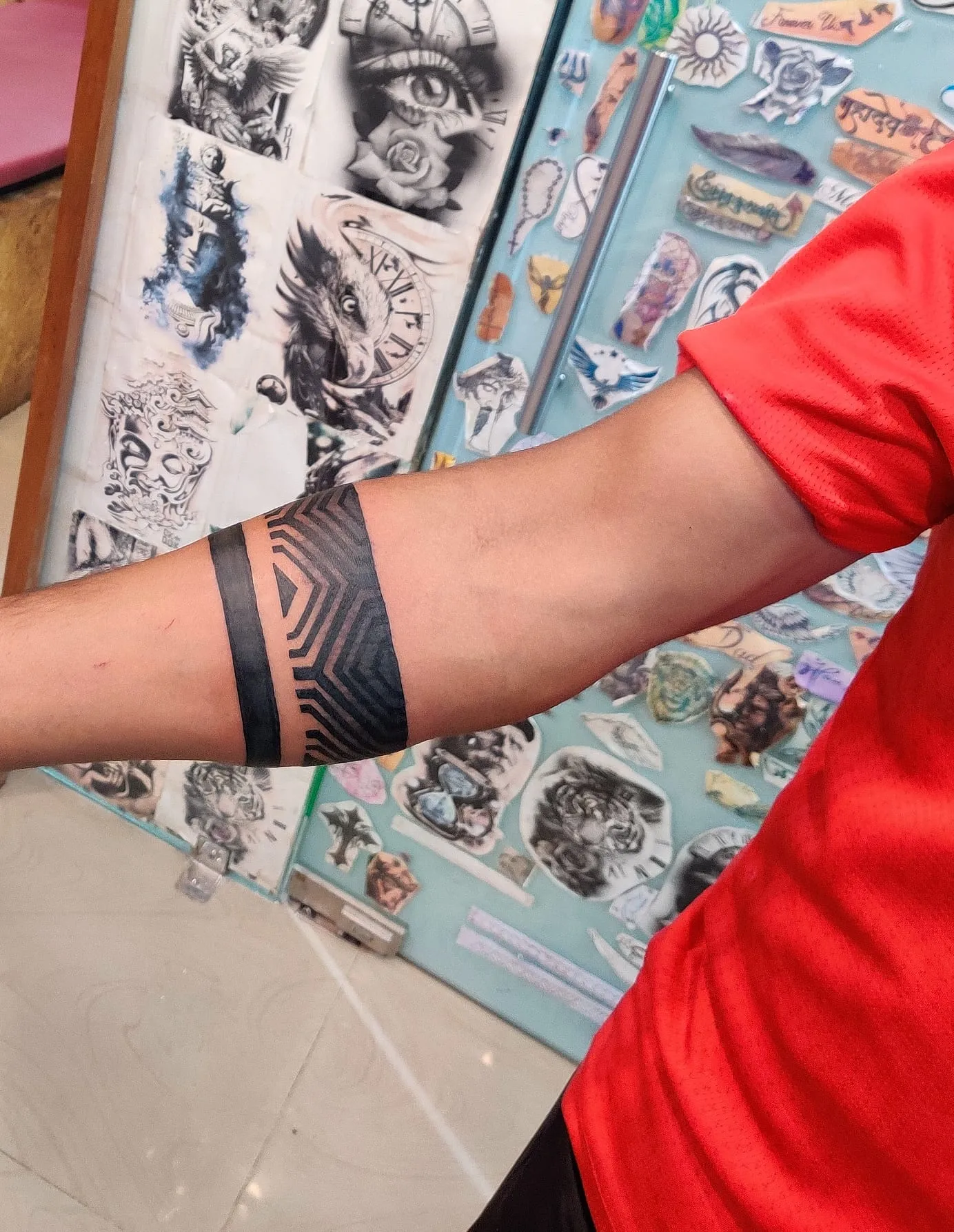
Tribal work is almost entirely solid black, which leaves nowhere for a shaky line to hide. Polynesian-influenced banding wraps rows of chevrons, triangles and weave patterns around the forearm or bicep. Because the arm tapers, these are stencilled directly onto the limb and adjusted on the body rather than drawn flat.
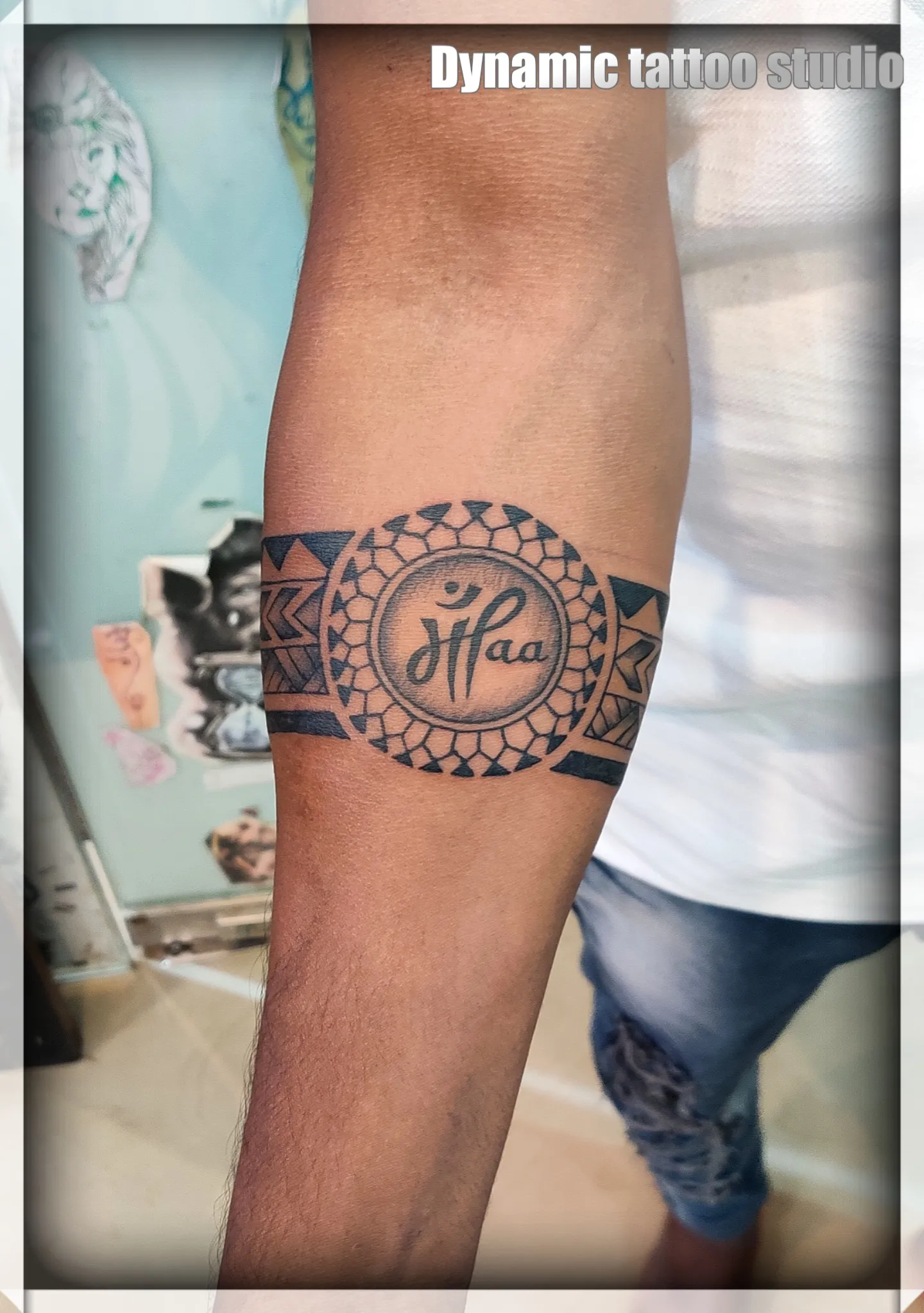
A standard band made personal: a Devanagari माँ medallion set into a Polynesian pattern.
Mandala Tattoos
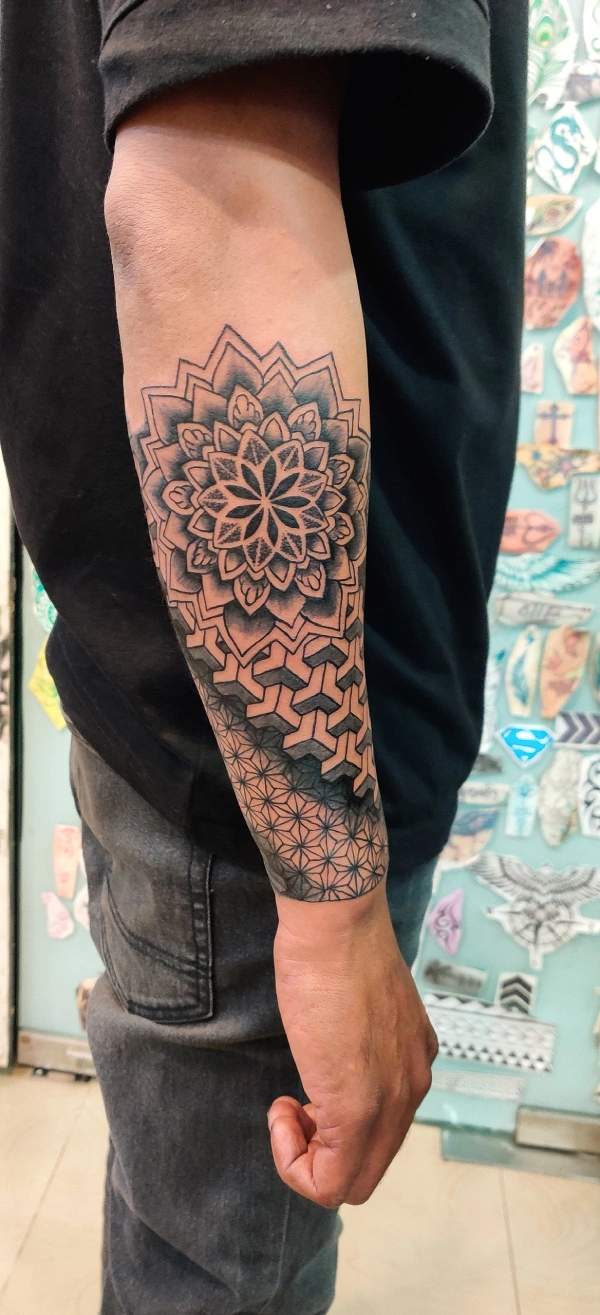
A mandala is a symmetrical pattern radiating from a central point, usually in fine linework and dotwork. Precision matters more here than almost anywhere else, because the eye catches a break in symmetry instantly. Mandalas sit best on relatively flat or evenly curved areas — the forearm, outer shoulder, back and thigh.
Religious Tattoos
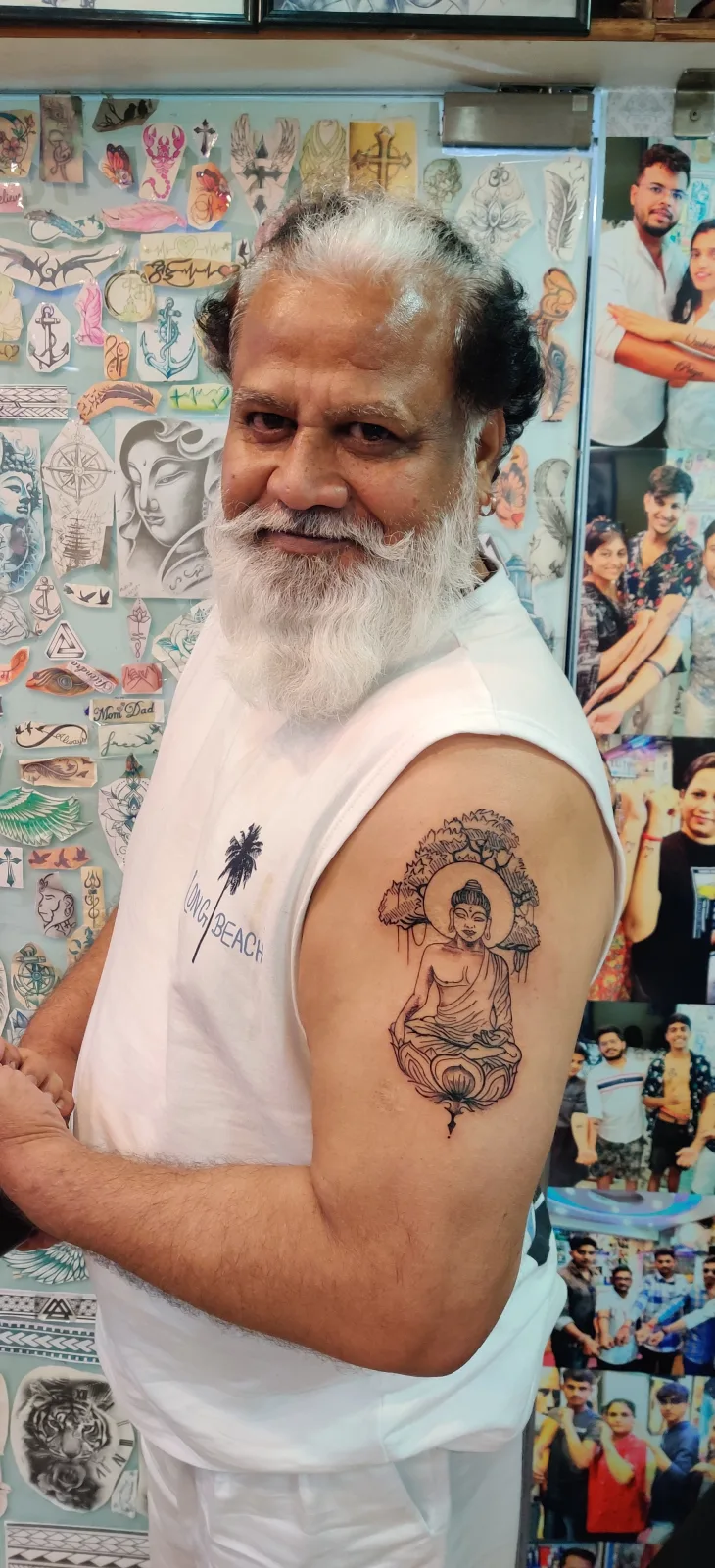
Devotional work covers Om, the trishul, deity portraits, crosses, scripture and script, and is among the most requested tattooing in Goa from residents and visitors alike. It is very often combined with a name, a date or a personal symbol.
Cover-Up Tattoos
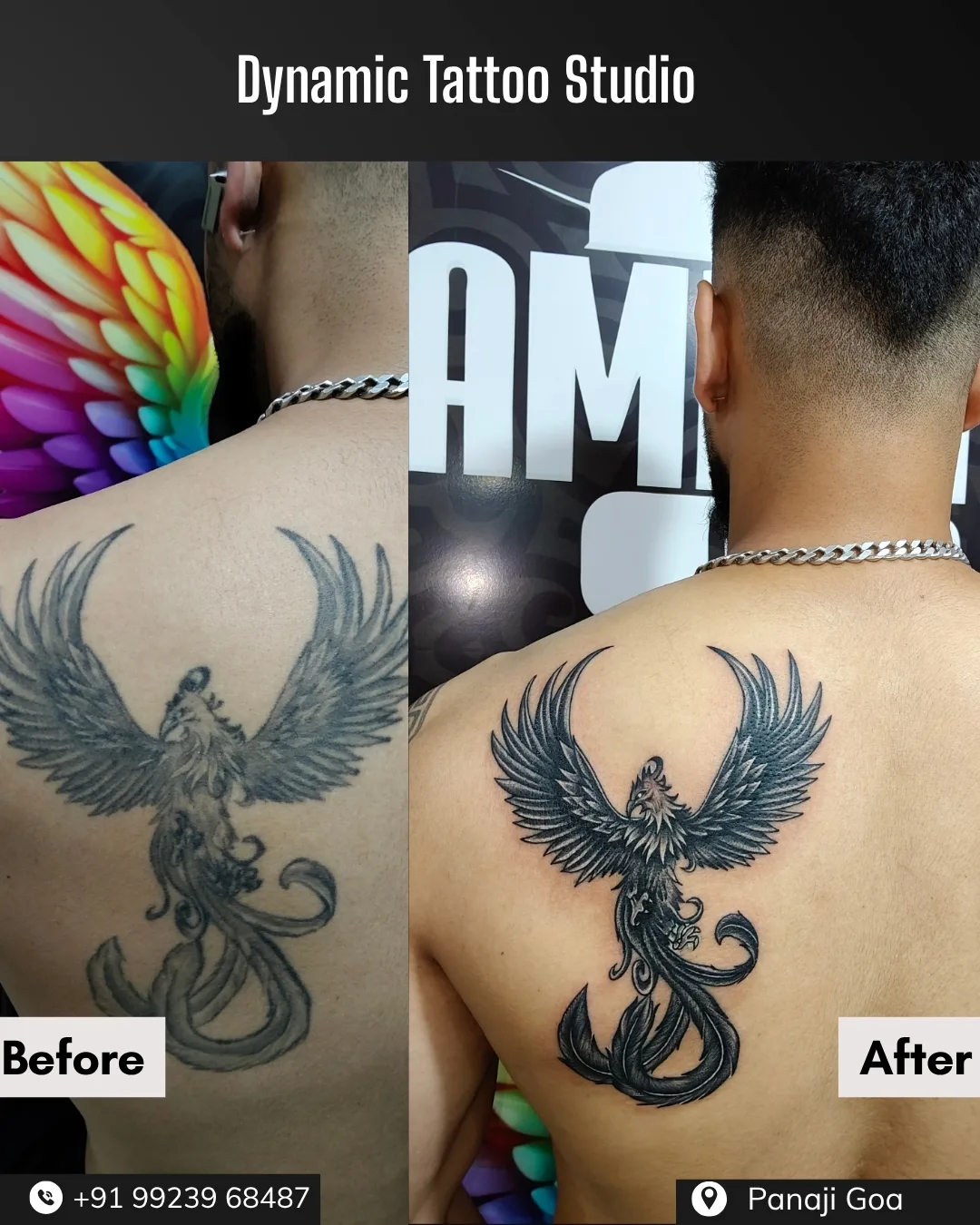
A cover-up builds a new design over an existing tattoo so the old one stops reading. It is a design problem before it is a tattooing one: the new piece has to put its darkest areas exactly where the old ink is heaviest. Not every tattoo can be covered, and the honest answer depends on how large, dark and saturated the existing work is.
How to Choose the Right Tattoo Design
Start from meaning, not from a search result. The designs people keep loving are usually the ones attached to something specific — a person, a place, a belief, a turning point. Trend-led choices date faster.
Bring references, but expect them to change. A reference is a starting point, not a template. An image found online was drawn for someone else’s body at someone else’s scale. Adapting it is part of the work, and a custom design built around your reference will almost always sit better than a direct copy.
Be careful about shrinking a detailed design. This is the most common mistake people make. Fine lines placed close together spread slightly as they heal, so a complex design reduced too far loses definition within a couple of years. If an artist suggests going larger, that is usually why.
Think about what comes next. If you might eventually want a sleeve or a larger connected piece, say so early. Placing a standalone tattoo in the middle of that space limits your options later.
Choosing Tattoo Placement and Size
Placement changes how a tattoo looks, how it ages and how much of it you see day to day.
Visibility. Decide honestly how visible you want it, including in work and family settings. Forearms, hands and necks are difficult to cover; upper arms, backs and thighs are straightforward.
Body contours. Skin curves, and a design drawn flat will not automatically follow it. Bands, sleeves and pieces crossing a joint need to be positioned on the body rather than on paper.
Available space and detail. Detail needs physical room. A design with fine internal linework needs more space than the same design simplified. Matching the level of detail to the space available is most of what a good consultation resolves.
What Happens During a Tattoo Consultation?
Quick Answer
A consultation covers the idea, your references, the style, placement and size, a stencil placed on the body and adjusted with you, and finally the appointment details including how many sittings the piece needs.
A consultation exists to remove surprises. Broadly, it runs like this:
1. You describe the idea — the subject, what it means and roughly where you want it.
2. You share references — photos, sketches or examples of a style you like.
3. The style is agreed — and, where a studio has more than one artist, who is best suited to it.
4. Placement and size are discussed — usually with the artist looking at the actual area.
5. The design is prepared and refined — a stencil goes on the body and is adjusted before anything is permanent.
6. Appointment details are confirmed — including how many sittings the piece is likely to need.
At Dynamic Tattoo Studio this conversation happens with one of the studio’s tattoo artists — Ravi Khavadiya, Aakash Khavadiya or Rahul Khavadiya — before a date is confirmed, so you are not travelling in from Panjim without knowing what to expect.
What to Expect During Your Tattoo Session
Before Your Appointment
Arrive rested and having eaten. Wear clothing that gives easy access to the area being tattooed, bring any reference images you want the artist to see, and allow more time than you think the session needs.
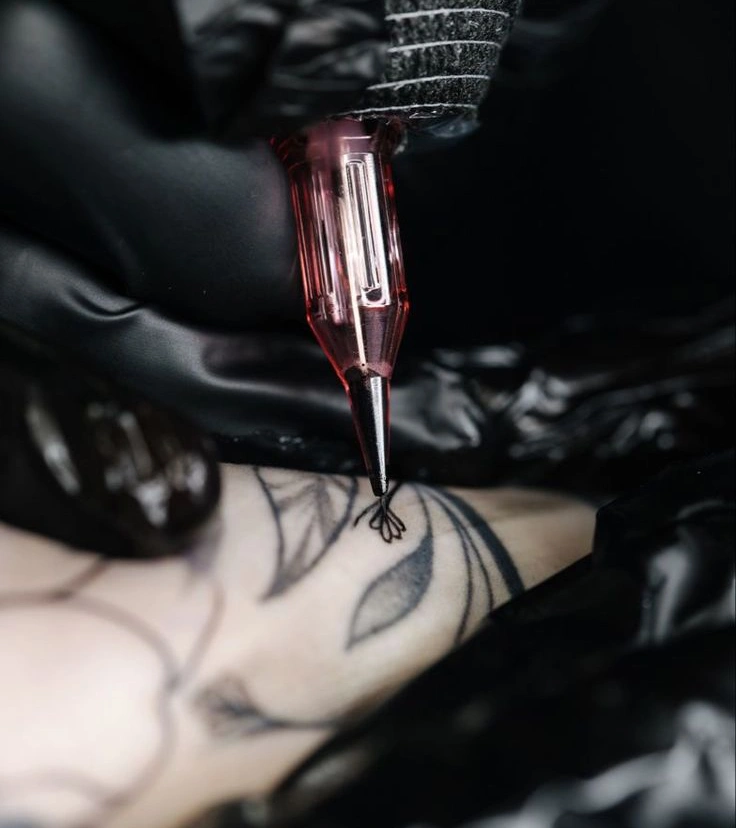
The session usually begins by confirming the design and placement one final time. A stencil is applied and you check it in a mirror — that is the moment to speak up about position or angle, not once the outline is in. Tattooing then begins, typically with linework before shading.
Session length depends entirely on the size and complexity of the piece; a small fine-line design and a half sleeve are not comparable, and larger work is deliberately split across sittings rather than rushed. Tell your artist if you need a break. At the end you will check the finished work, and it will be wrapped with aftercare instructions.
Tattoo Hygiene and Safety: What to Look For
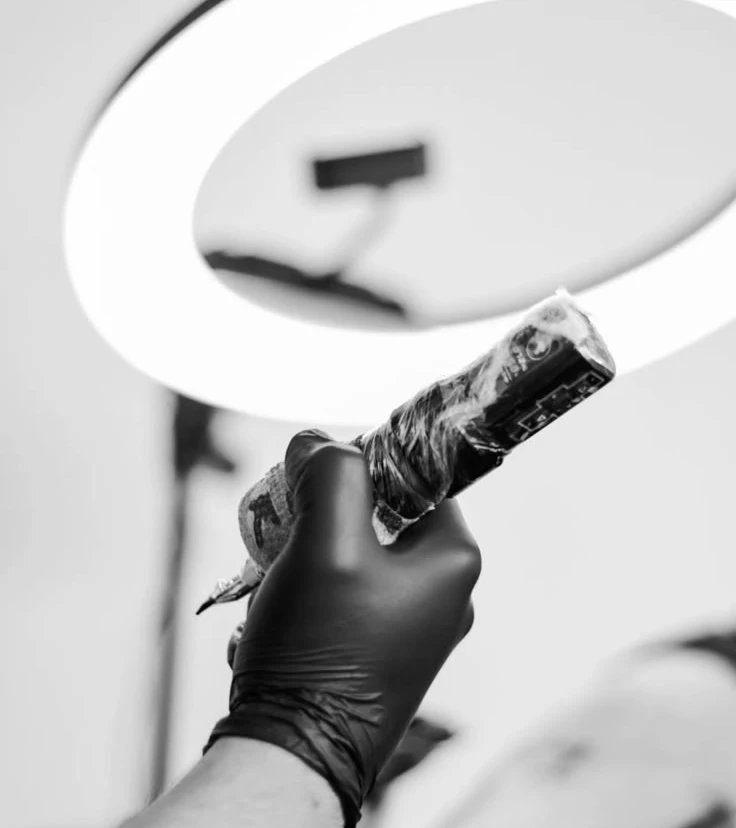
You do not need technical knowledge to assess a studio. Most of what matters is visible — barrier film on the machine and fresh gloves are two of the easiest things to check for yourself.
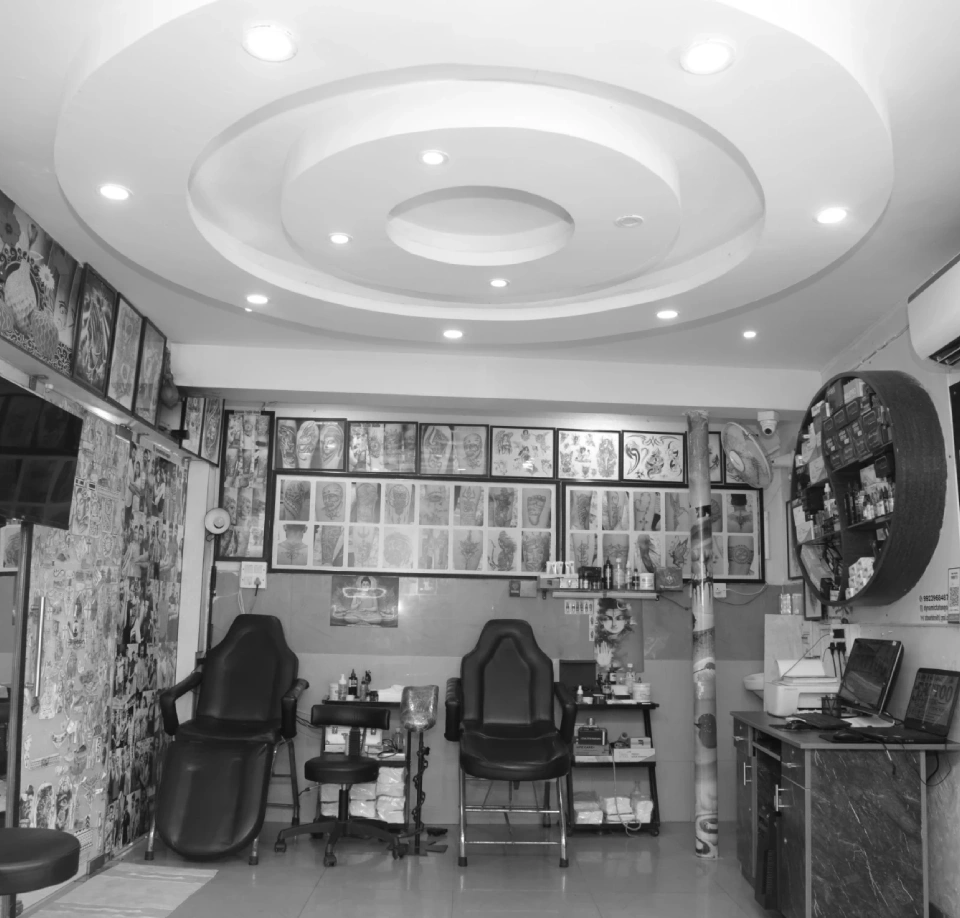
Needles and cartridges should come out of sealed, single-use packaging in front of you. The artist should wear fresh gloves and change them if they touch anything outside the working area. Machines, cables, bottles and the work surface should be covered in barrier film. The chair and surrounding surfaces should be visibly clean between clients, and there should be a dedicated working area with proper lighting rather than a shared corner of a shop.
If anything looks improvised, it is reasonable to ask about it — and reasonable to leave if the answer is unconvincing.
Tattoo Aftercare: What You Should Know
How a tattoo looks in a year has as much to do with the weeks after the appointment as with the hours during it. The instructions your artist gives you take priority over anything you read online, because they are based on the specific piece, its size and its placement.
In general terms: keep the area clean, follow the washing and moisturising routine you are given, avoid picking or scratching as it settles, and protect the tattoo from friction. Goa’s heat, humidity, strong sun and sea water are all worth planning around, and your artist will tell you what that means for your particular tattoo. The studio’s full tattoo aftercare guide covers this in more detail.
When to Seek Medical Advice
If you notice spreading redness, increasing pain, swelling, discharge or fever, that is not something to manage from a website — contact a qualified healthcare professional.
Getting a Tattoo in Goa: Local Tips for Visitors
Plan the tattoo early in your trip, not on the last day. It gives you room for a consultation, and time to come back if the piece needs a second sitting.
Do not choose on price alone. A tattoo is permanent, and reworking poor work costs considerably more than getting it right once.
Look at the artist’s own portfolio rather than a generic gallery, and ask who will actually be tattooing you.
Think about placement in relation to the rest of your trip. A fresh tattoo needs protecting, and where it sits affects how much that will interfere with what you have planned. Ask your artist directly about swimming, sun and sea water for your specific piece rather than assuming a general rule applies.
Build in time. Rushing a tattoo to fit a schedule is how people end up with something smaller, simpler or less considered than what they actually wanted.
Why Consider Dynamic Tattoo Studio?
Dynamic Tattoo Studio has been tattooing since 2011 from a permanent studio at Church Basilica Junction in Old Goa, serving clients from Panjim, Panaji and across Goa. Three artists work there across the eleven styles listed earlier, and completed work for each style is published on the site so you can judge it before committing to anything.
Being a fixed studio rather than a seasonal setup matters practically: there is space to work on large pieces, the same artist is available for follow-up sittings, and you can come back if you want the piece extended later.
Meet the Artists
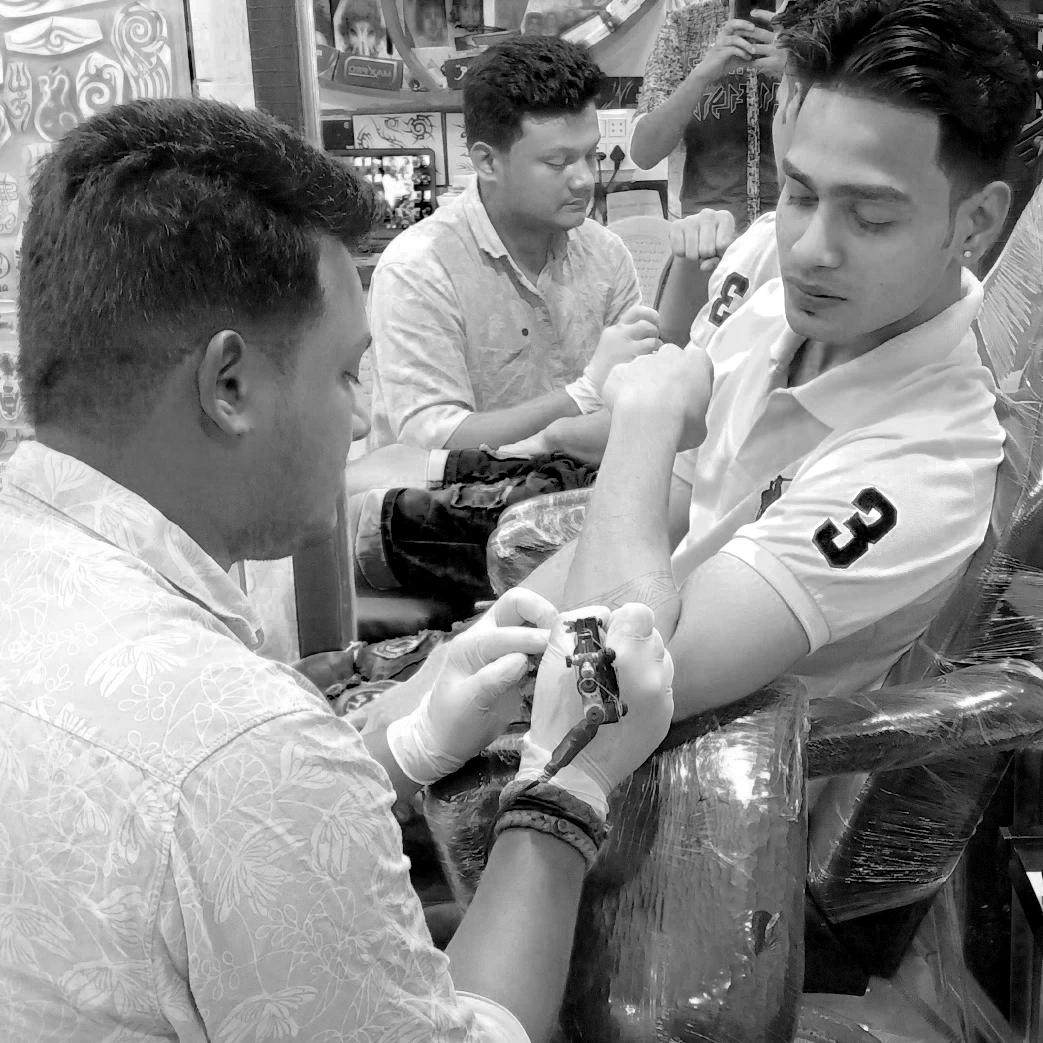
Ravi Khavadiya
Tattoo Artist
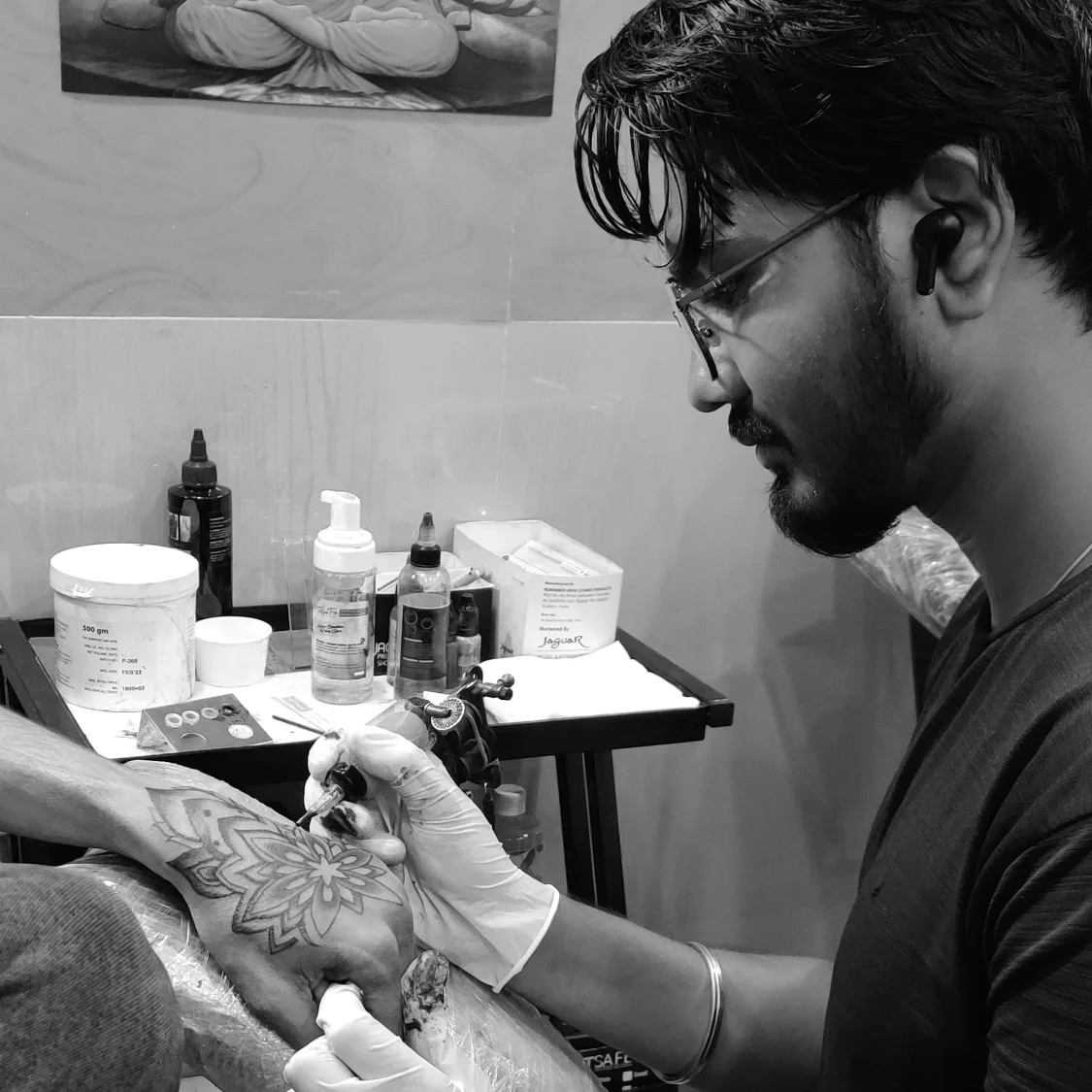
Aakash Khavadiya
Tattoo Artist
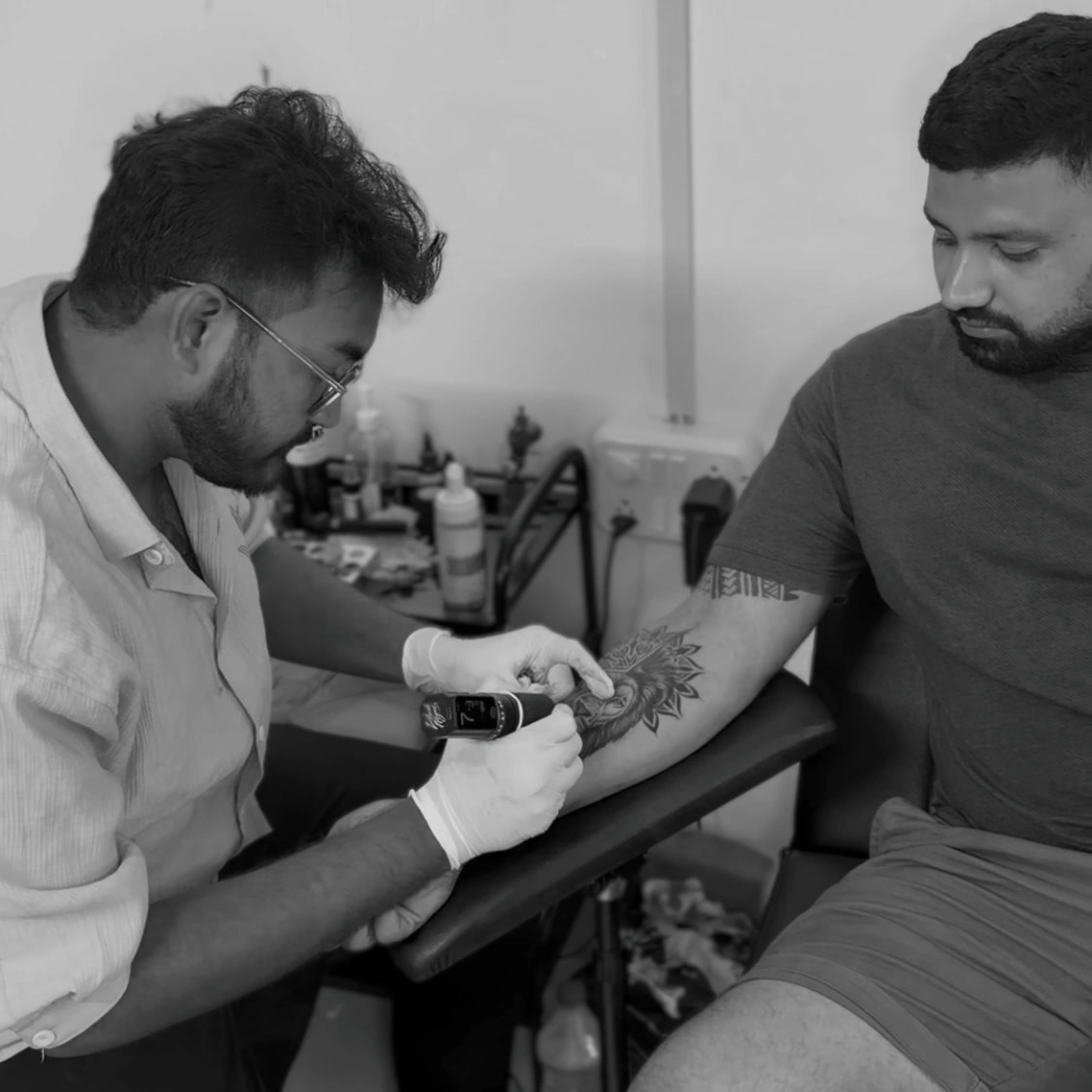
Rahul Khavadiya
Tattoo Artist
Read more about the artists and the studio.
How to Book a Tattoo at Dynamic Tattoo Studio
Quick Answer
Send your idea by WhatsApp or call +91 99239 68487, or use the contact form. An artist discusses style, sizing, placement and sittings, then confirms a date before you travel to the studio in Old Goa.
Include a rough description, any reference images and the placement you have in mind — and for a cover-up, a clear, well-lit photo of the existing tattoo. You can reach the studio on +91 99239 68487, by email at tattooartistravi91@gmail.com, or through the contact form.
An artist will talk through style, sizing, placement and how many sittings the work needs, then confirm a date. If you are travelling in from the city, the Panjim visitor information page covers directions and what to expect when you arrive.
Frequently Asked Questions
How do I choose a tattoo studio in Panjim?
Look at the healed portfolio rather than only fresh photos, check that the artist actually works in the style you want, and make sure you can have a proper conversation about your idea before booking. A studio that asks about placement, size and meaning is a better sign than one that quotes a price immediately.
What tattoo styles can I explore at Dynamic Tattoo Studio?
Dynamic Tattoo Studio works in realistic, portrait, custom, cover-up, armband, black and grey, religious, traditional, mandala and small tattoo styles. Each style has its own gallery of completed work on the website.
Can I bring my own tattoo idea or reference?
Yes. Most tattoos start from a client reference, a rough sketch or simply a description. References are used as a starting point and then adapted so the design fits the body part it is going on.
Can I get a custom tattoo in Goa?
Yes. Custom work is drawn for one person rather than picked from a flash sheet. You share the idea and any references, the artist prepares a design and stencil, and it is adjusted with you before tattooing begins.
How should I prepare for a tattoo appointment?
Arrive rested and having eaten, wear clothing that gives easy access to the area being tattooed, and bring any reference images you want the artist to see. Allow more time than you think the session needs so you are not rushing.
How do I book a tattoo at Dynamic Tattoo Studio?
Send your idea by WhatsApp or call +91 99239 68487, or use the contact form on the website. An artist will discuss the style, sizing, placement and number of sittings, and confirm a date before you travel to the studio in Old Goa.
Ready to Plan Your Next Tattoo?
Explore the studio’s tattoo styles, view the artists’ work, or contact Dynamic Tattoo Studio to discuss your idea.