
How to Choose the Right Tattoo Design and Style in Goa
Choosing a tattoo is not just about finding an image you like. Style, meaning, placement, size, level of detail and how the design will age all shape whether you are happy with it in ten years, not just today.
On This Page
A tattoo is not a photo you print once and forget. It sits on skin that moves, curves, tans and ages, so choosing one well means thinking past “I like how this looks” into style, meaning, size, placement and how the piece will hold up over the years.
This guide walks through that decision in order — from the idea itself to the artist who will tattoo it — using real examples from Dynamic Tattoo Studio in Old Goa, opposite the Basilica of Bom Jesus, serving Panjim, Panaji and visitors from across Goa.
Start With the Meaning Behind Your Tattoo
Before style or size, it helps to be honest with yourself about why you want the tattoo. Some ideas carry deep personal meaning — a name, a date, a faith, a memory. Others are simply about liking how a design looks on skin, and that is just as valid a reason to get tattooed.
What matters is knowing which one you are working with, because it changes the conversation with your artist. A tattoo built around meaning is usually planned to last exactly as it is; a tattoo chosen mainly for its look often has more room to be adapted, resized or built on later with more work around it. Either way, spending a little time on the “why” before the “what” tends to lead to a design you are still glad you got years on.
Choose a Tattoo Style That Fits Your Idea
Once you know roughly what you want to say with the tattoo, style is how you say it. The same idea — a wolf, a name, a deity, a flower — can look completely different depending on whether it is built as realistic shading, a portrait, a traditional bold-line piece, a mandala pattern, a small fine-line design, an armband, religious artwork, black and grey, or drawn as a one-off custom piece. If you already have old work you are not happy with, a cover-up is its own style decision again, built around what is already on your skin.
Style is not just an aesthetic choice. It affects how long the tattoo takes, which artist is best suited to it, how large it needs to be to hold up, and how it will age. Getting this right early saves you from falling in love with a reference image that was never really tattooable in the first place.
Explore Tattoo Styles
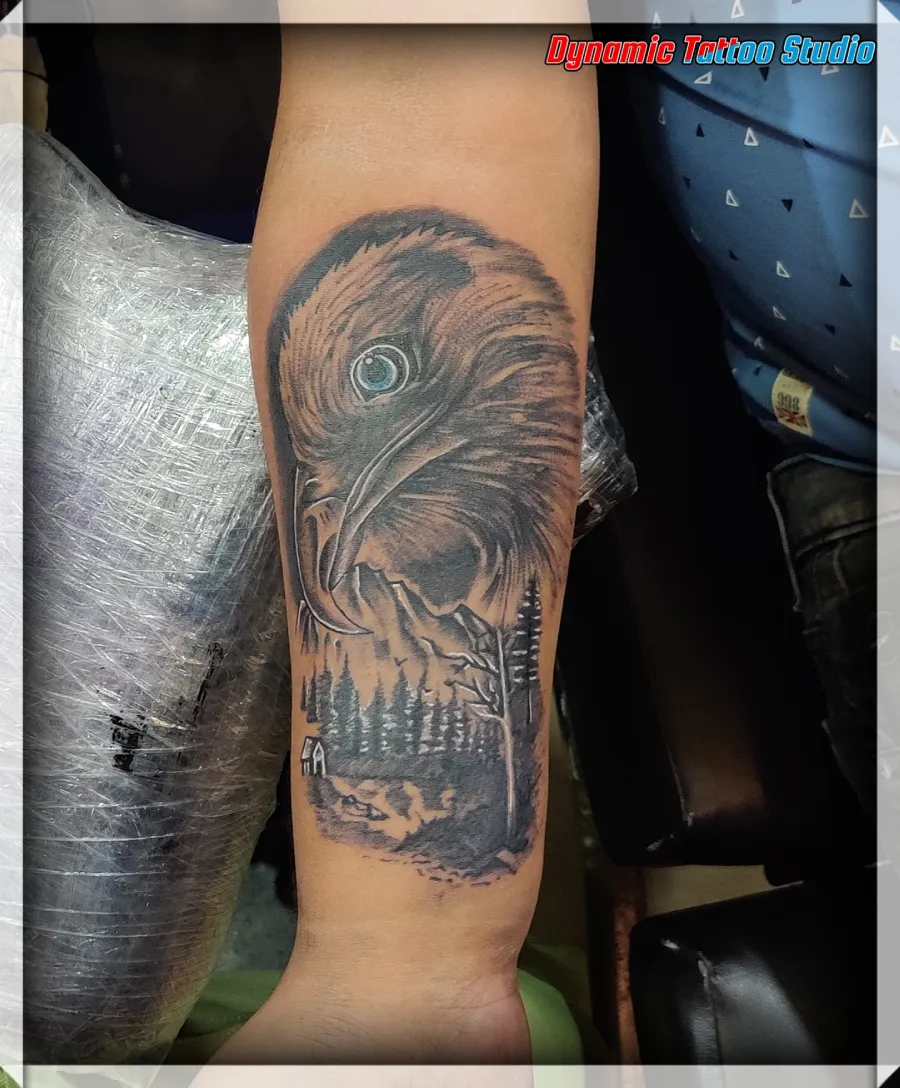
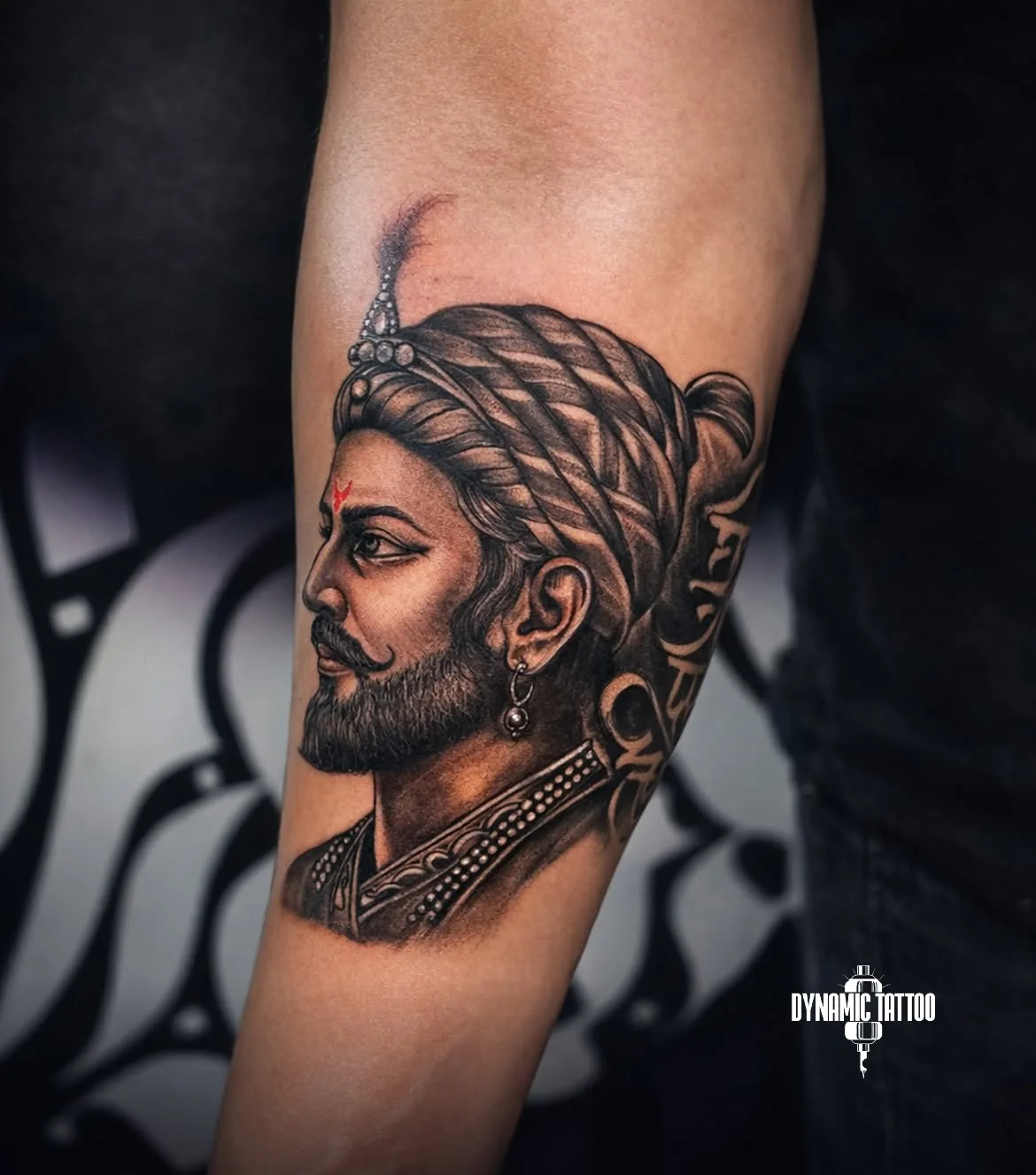
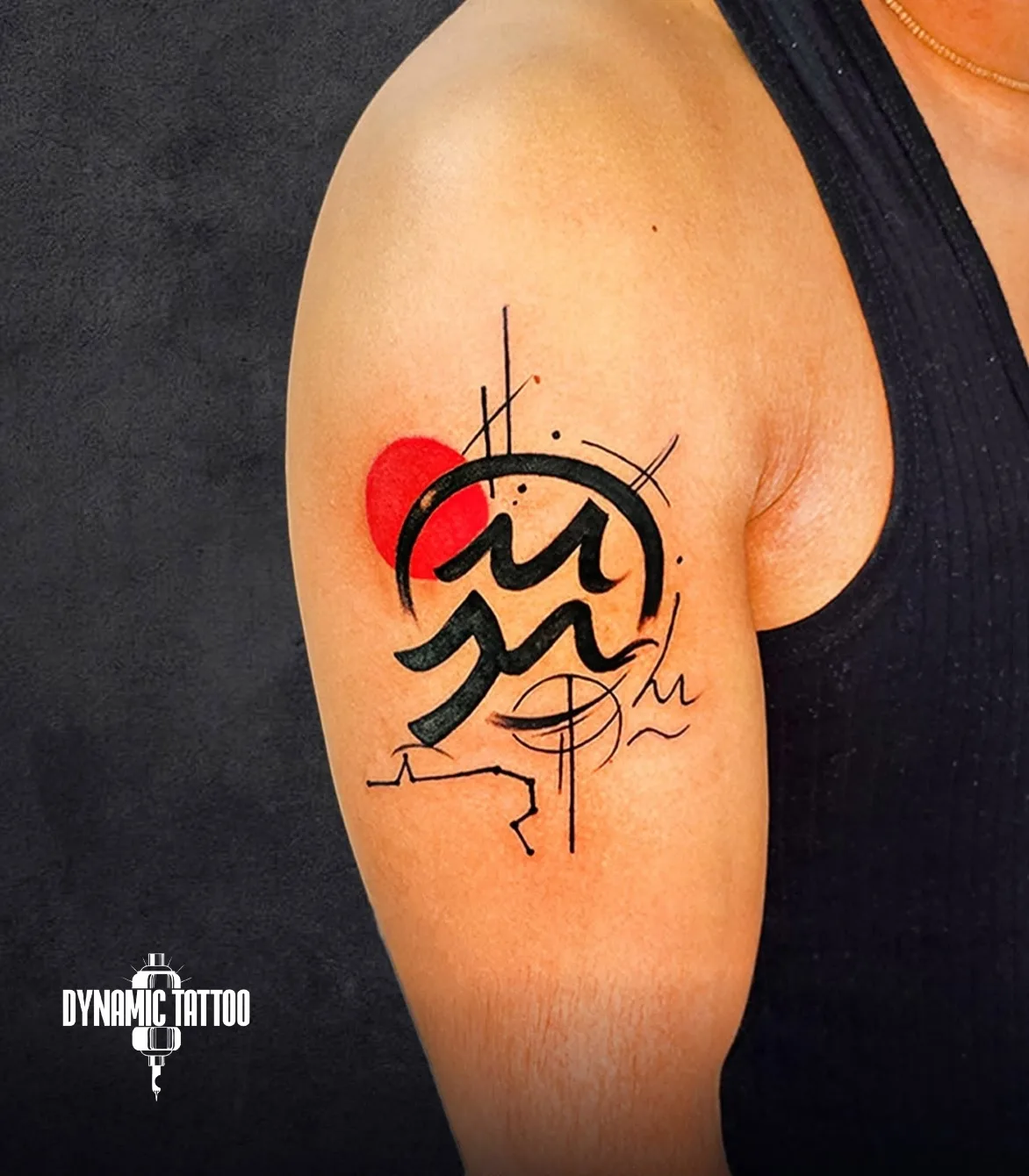
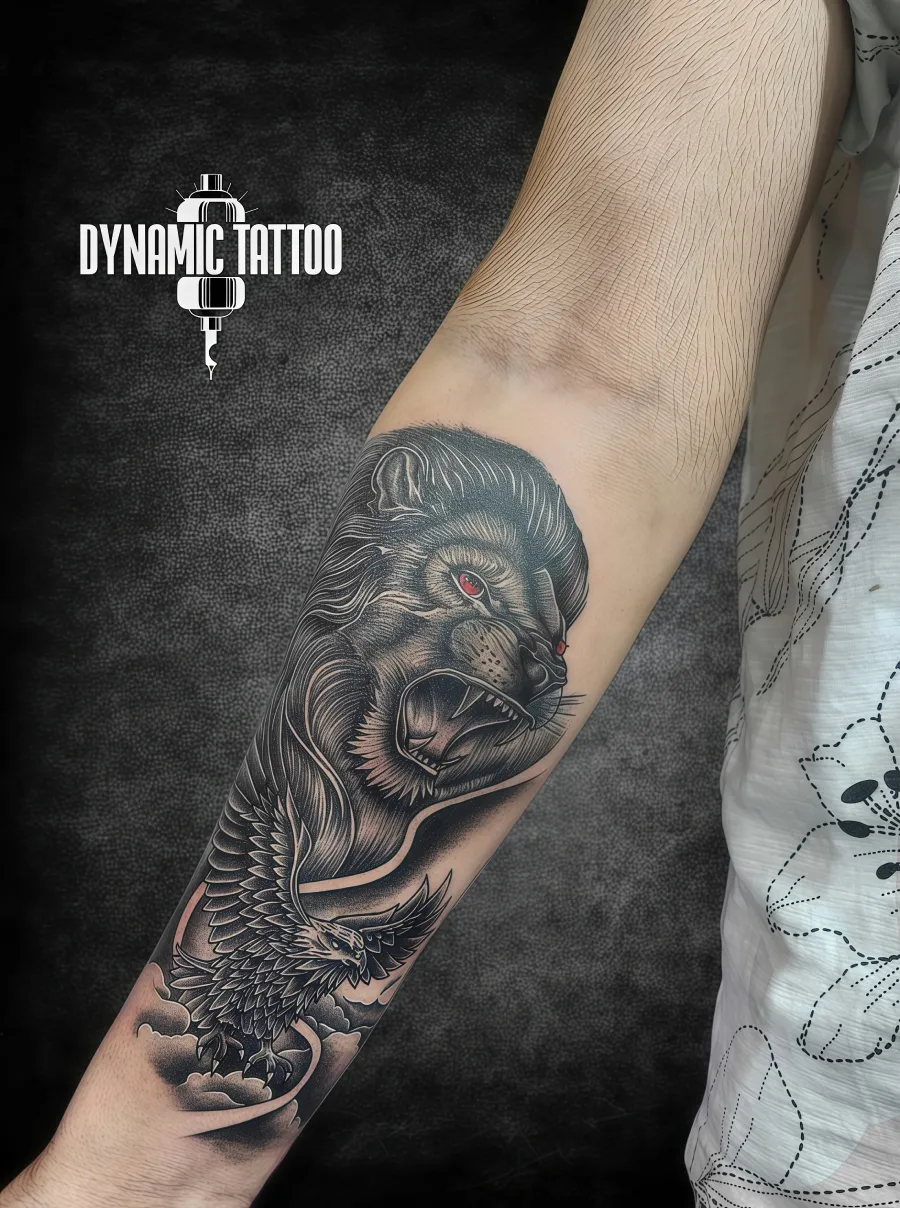
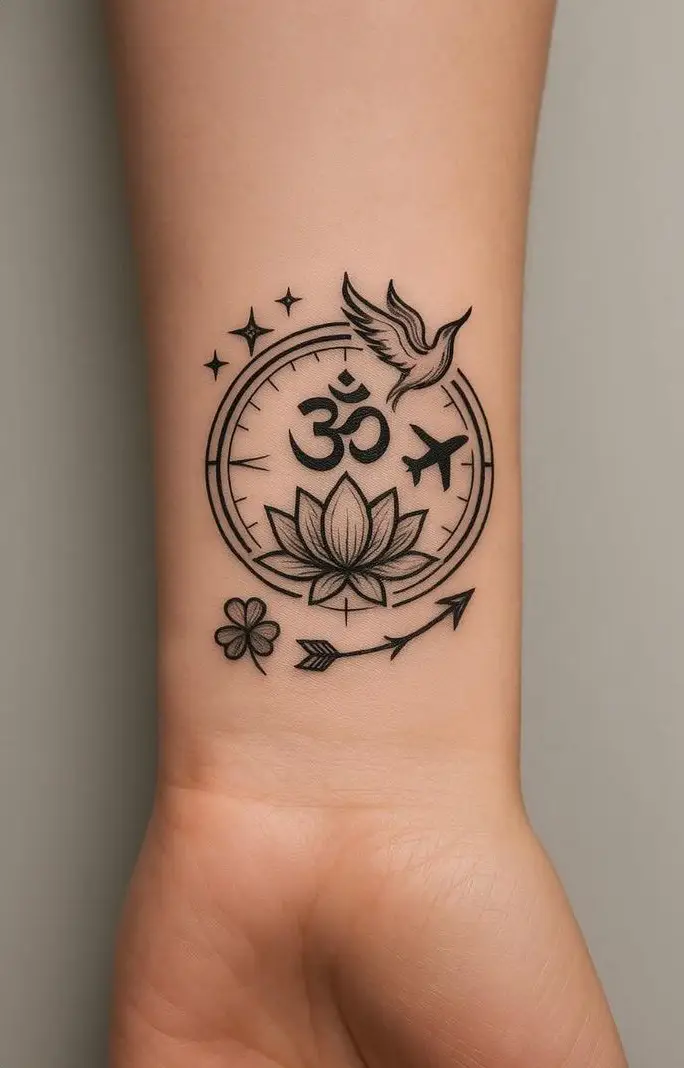
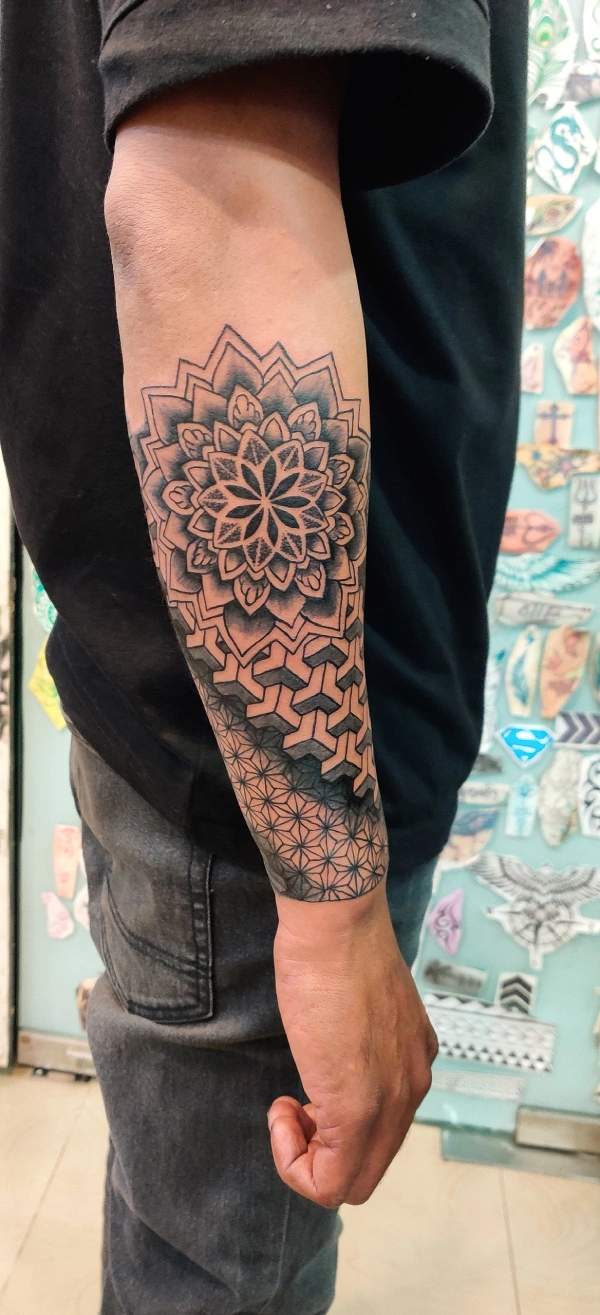
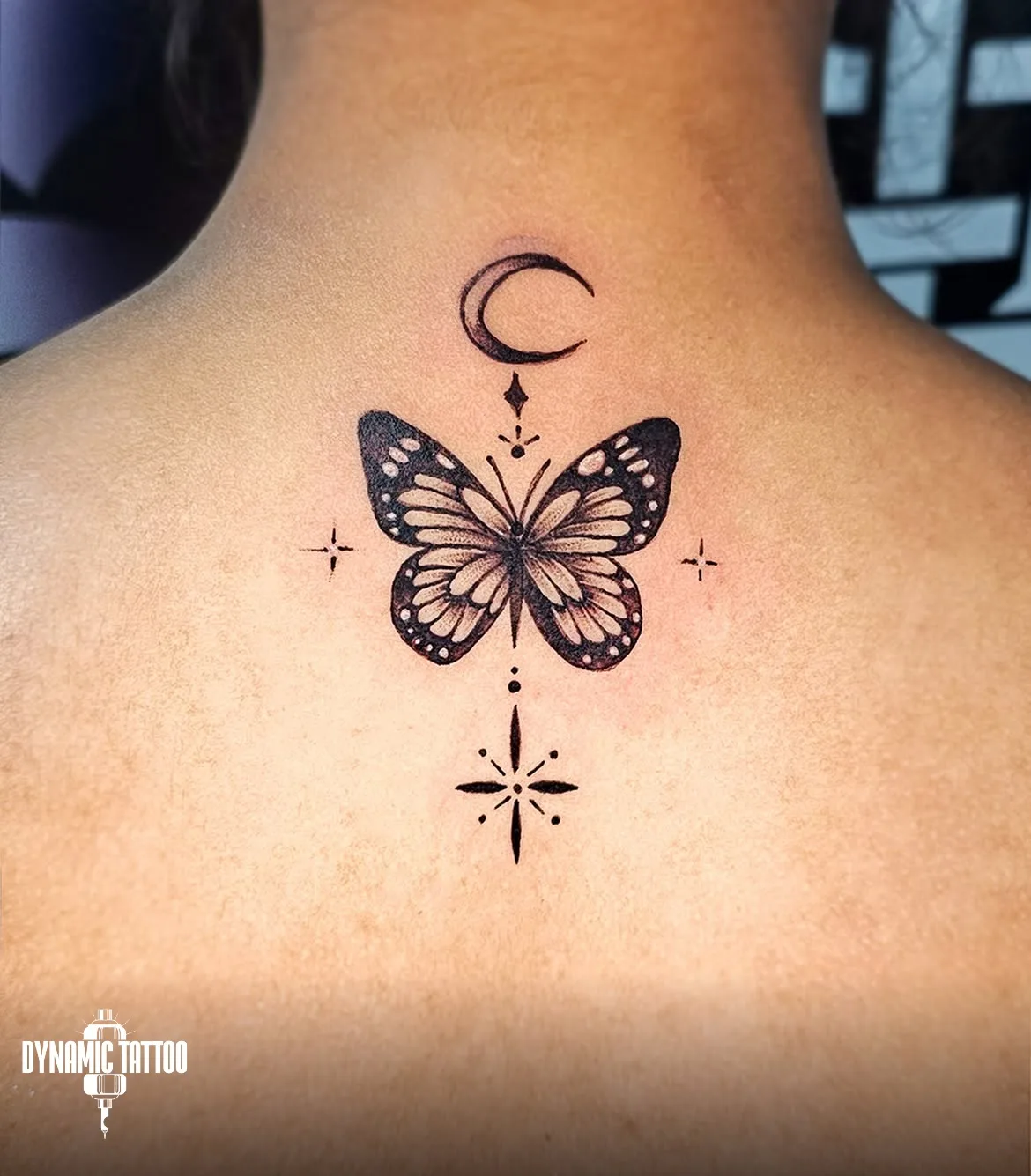
Not sure where your idea fits? The tattoo styles overview is the easiest place to browse all of them side by side.
Popular Tattoo Styles to Consider in Goa
A closer look at what each style tends to suit, based on work completed at the studio.
Realistic Tattoos
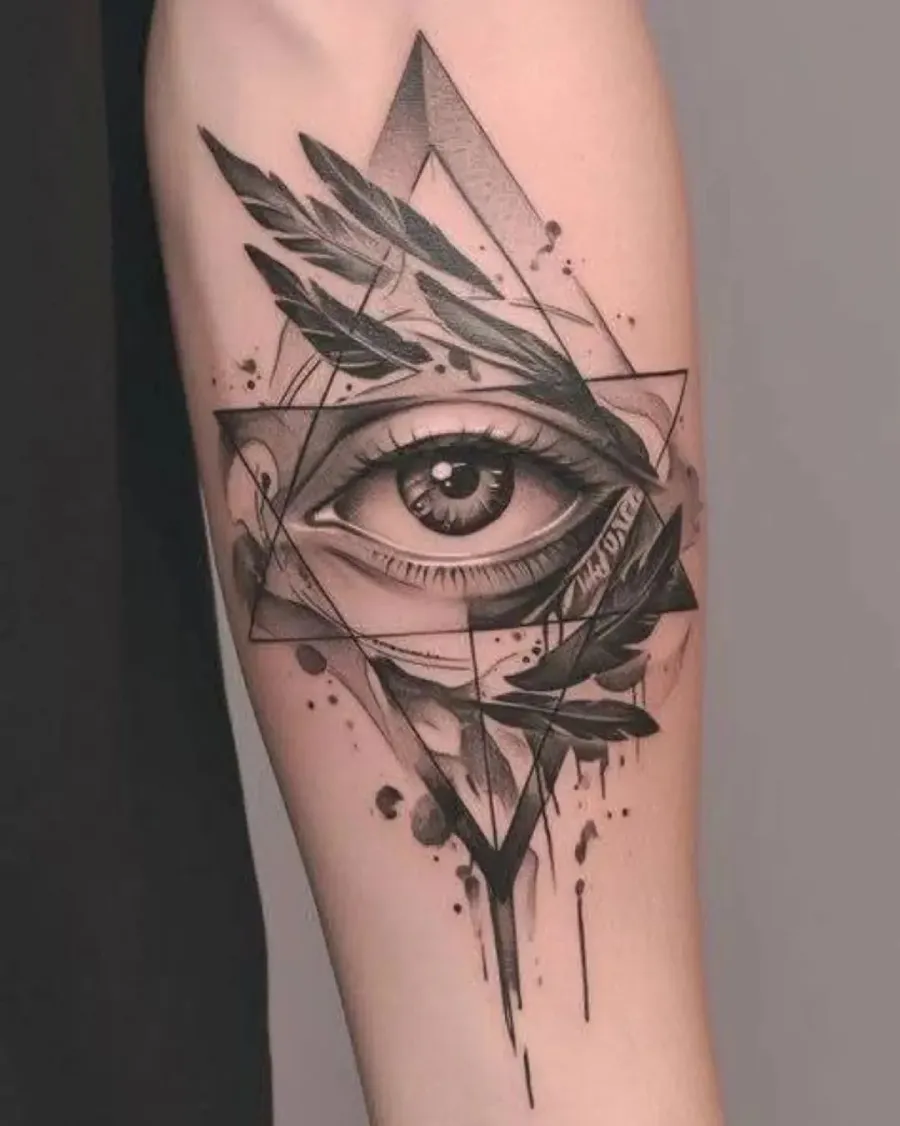
Realistic tattoos suit subjects with real tonal depth — animals, faces, landscapes, objects with texture. There is no outline holding the image together, so it relies entirely on graduated shading, which means it needs a sharp reference and enough space to read clearly.
Portrait Tattoos
Portraits are the most demanding form of realism, because a likeness that is slightly off is immediately noticeable. They suit memorial pieces, family tributes and devotional figures where getting the face right matters more than anything else in the design.
Black and Grey Tattoos
Black and grey spans everything from quick script to full photorealistic sleeves, built from one pigment diluted to different strengths. It suits ideas where you want depth and contrast without introducing colour, and it tends to age quietly.
Traditional Tattoos
Traditional work uses bold outlines, a limited palette and flat fills. It suits designs you want to read clearly from across a room, and it is a dependable choice if you want a tattoo that stays legible for decades rather than one built on fine detail.
Mandala Tattoos
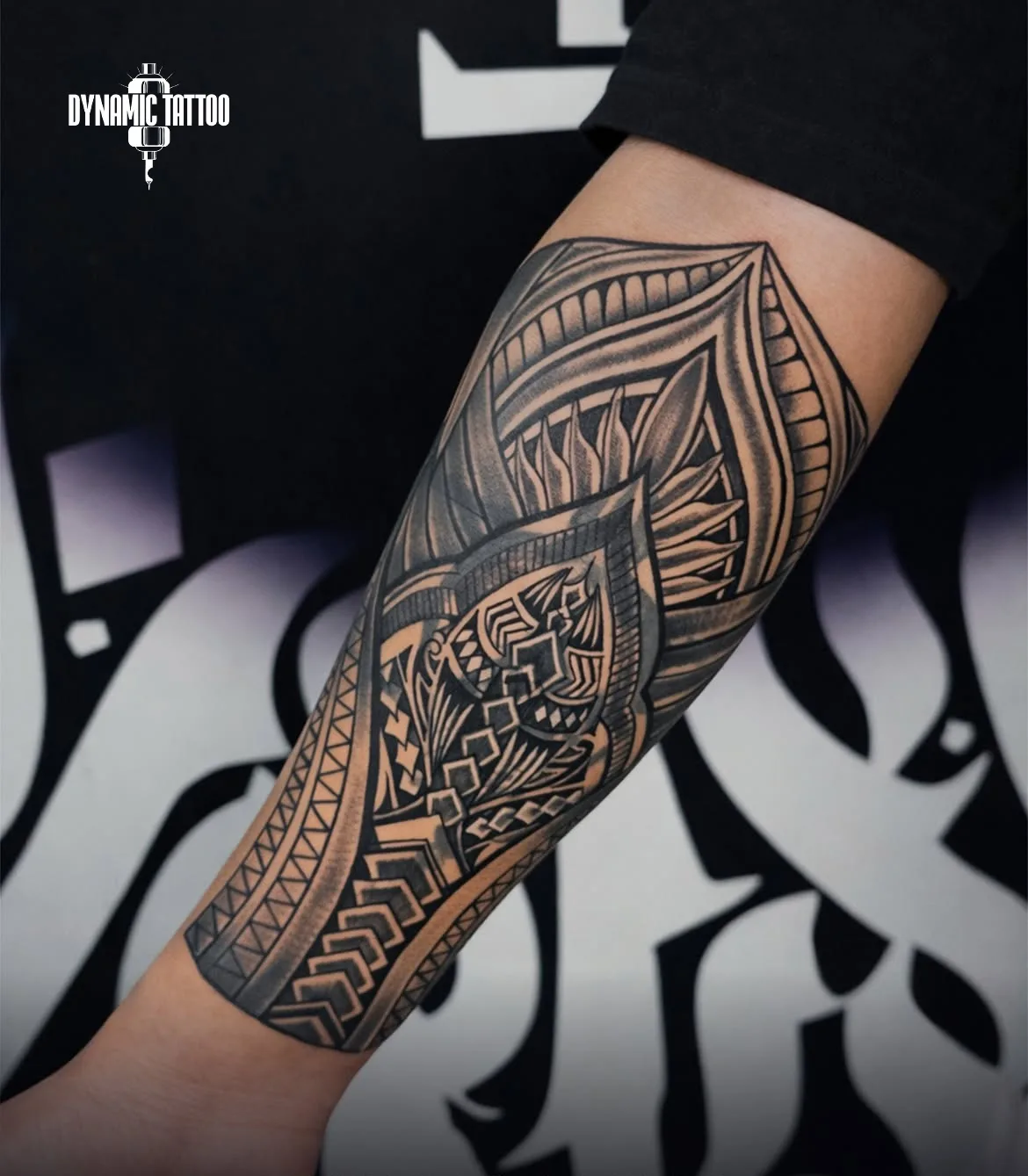
Mandala and dotwork designs suit anyone drawn to symmetry and pattern rather than a literal subject. They are priced and planned by precision more than size — a small mandala can take as much care as a much larger piece in a looser style.
Small & Fine-Line Tattoos
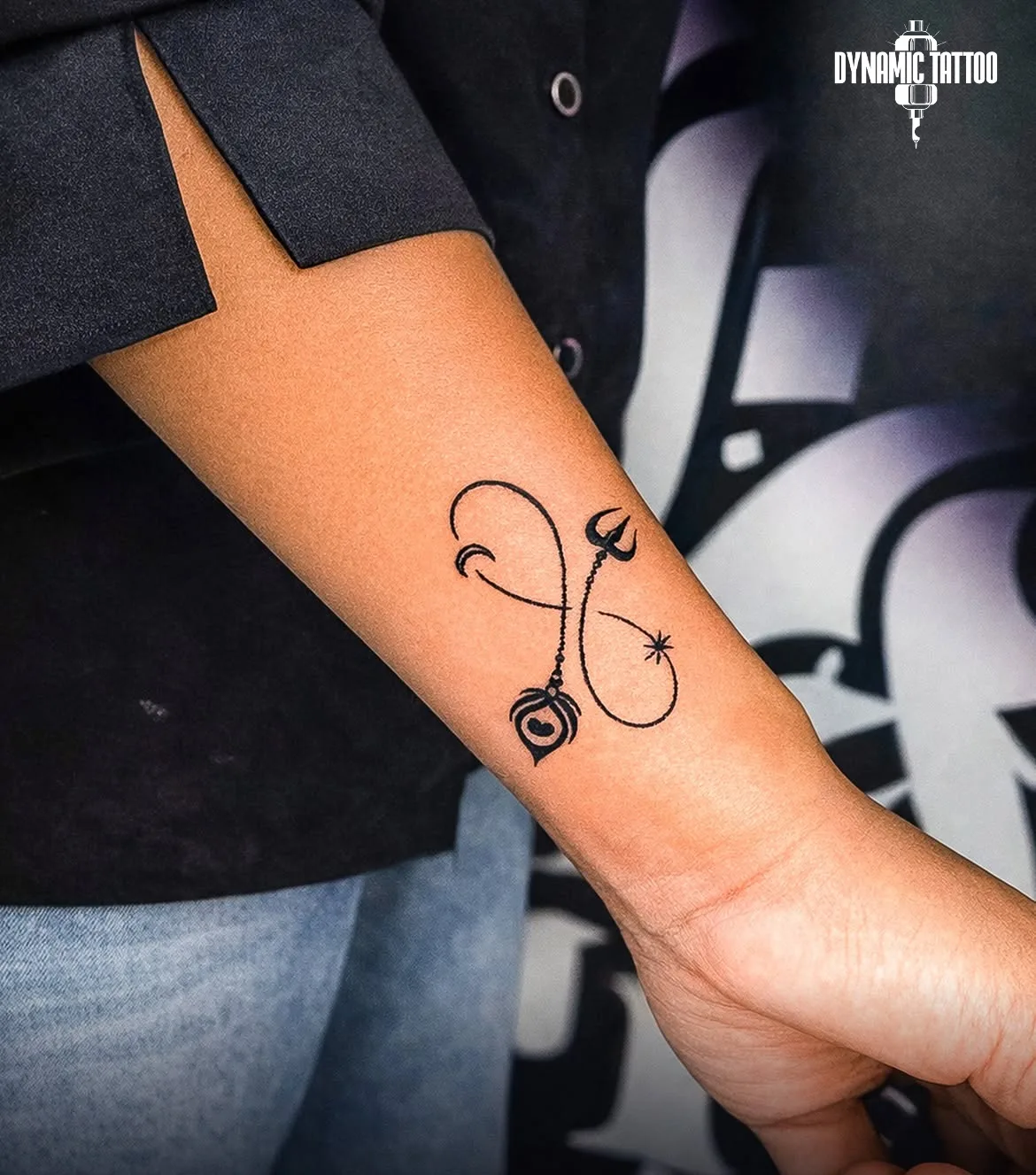
Small and fine-line tattoos suit first-timers, discreet placements and minimalist ideas — a name, a symbol, a simple outline. The trade-off is that very fine lines packed close together can spread slightly as they heal, so an artist may suggest sizing a design up to keep it readable long-term.
Armband Tattoos
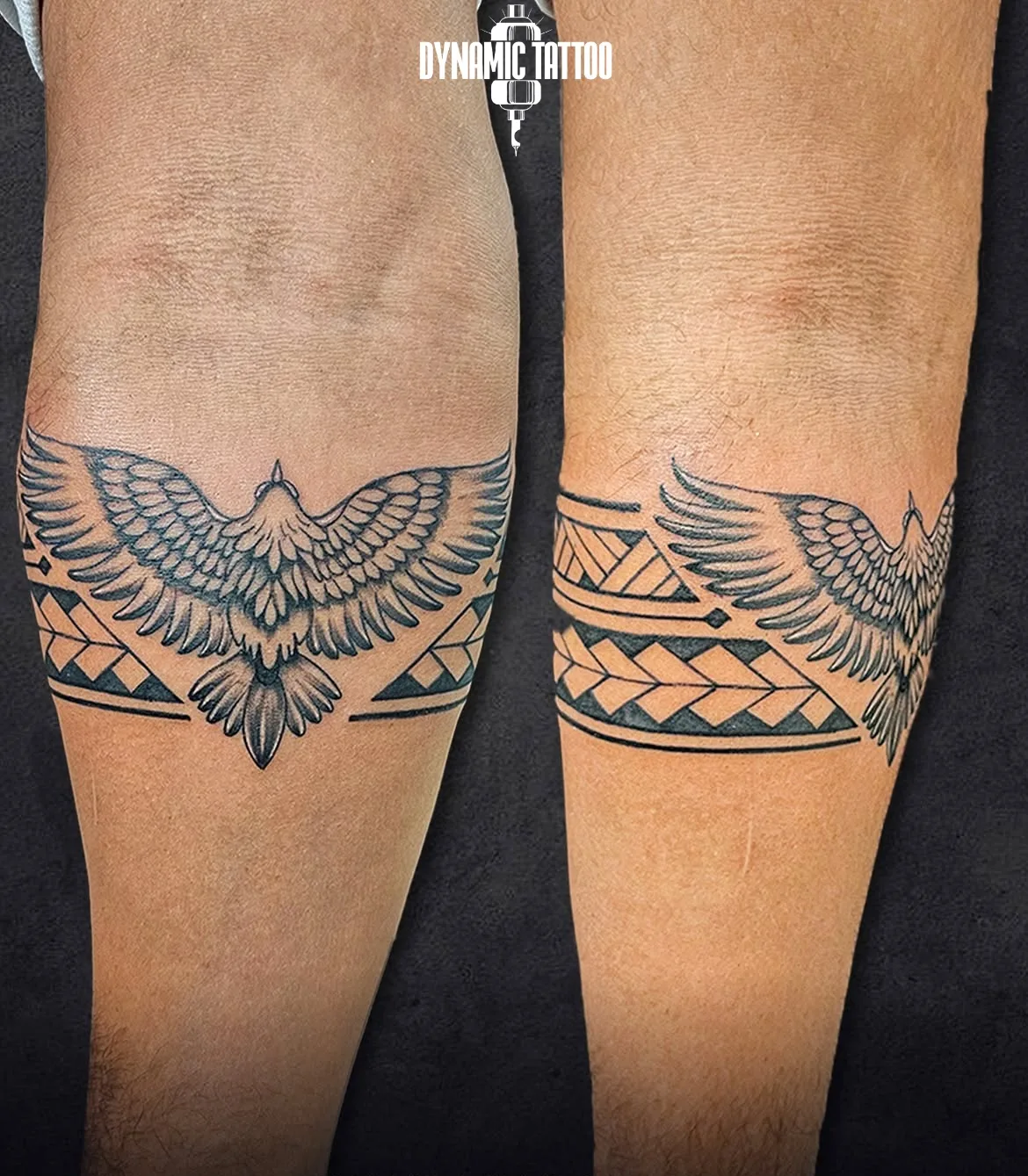
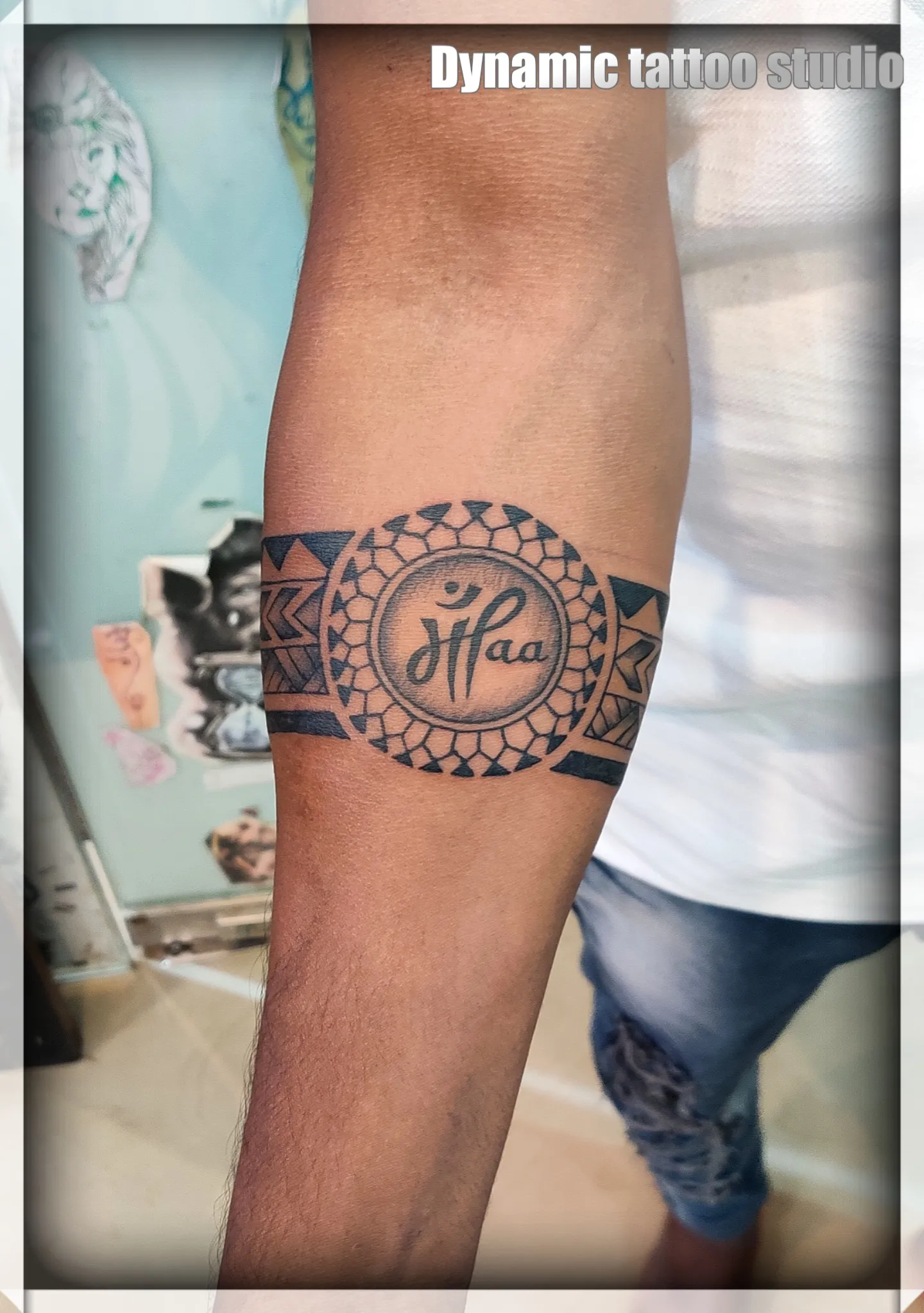
Armband and tribal band designs suit anyone who wants a tattoo that follows the natural shape of the arm rather than sitting as a flat picture. Bands are stencilled directly onto the limb so they wrap and meet cleanly, which is part of what makes them a distinct style rather than just a placement.
Religious Tattoos
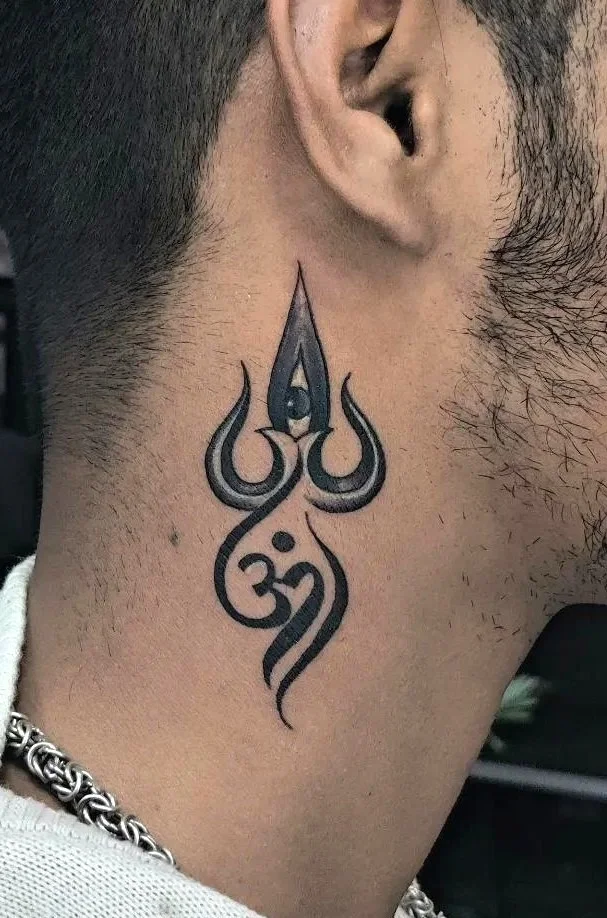
Religious and devotional work — Om, the trishul, deity portraits, crosses, scripture — suits ideas rooted in faith or heritage. It spans the full range from a small symbol to a large shaded portrait, and is among the most requested tattooing in Goa.
Cover-Up Tattoos
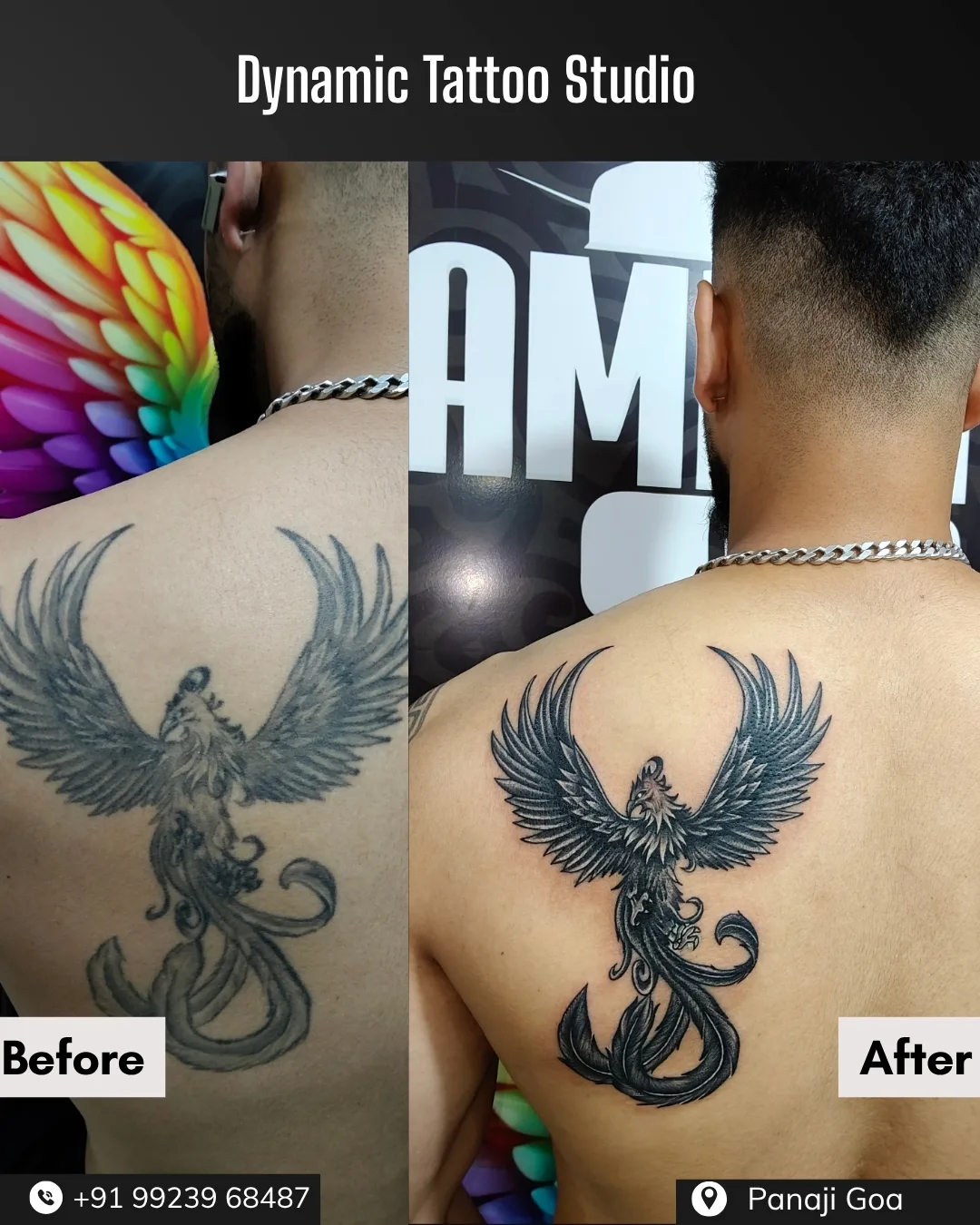
A cover-up suits anyone with an old, faded or unwanted tattoo they no longer want to see, rather than a blank canvas. The new design has to put its darkest areas exactly where the old ink is heaviest, which is why cover-ups usually end up bolder and larger than the tattoo they are replacing.
How to Choose the Right Tattoo Size
Quick Answer
Highly detailed designs need enough physical space to hold their shading, fine lines and contrast without the elements merging together as the tattoo settles and ages. As detail increases, the size generally needs to increase with it.
It is tempting to ask for a design smaller than it really needs to be, especially for a first tattoo. But size and detail are directly linked: a tiny tattoo packed with fine linework can actually take longer, and age worse, than a larger, simpler design in the same spot.
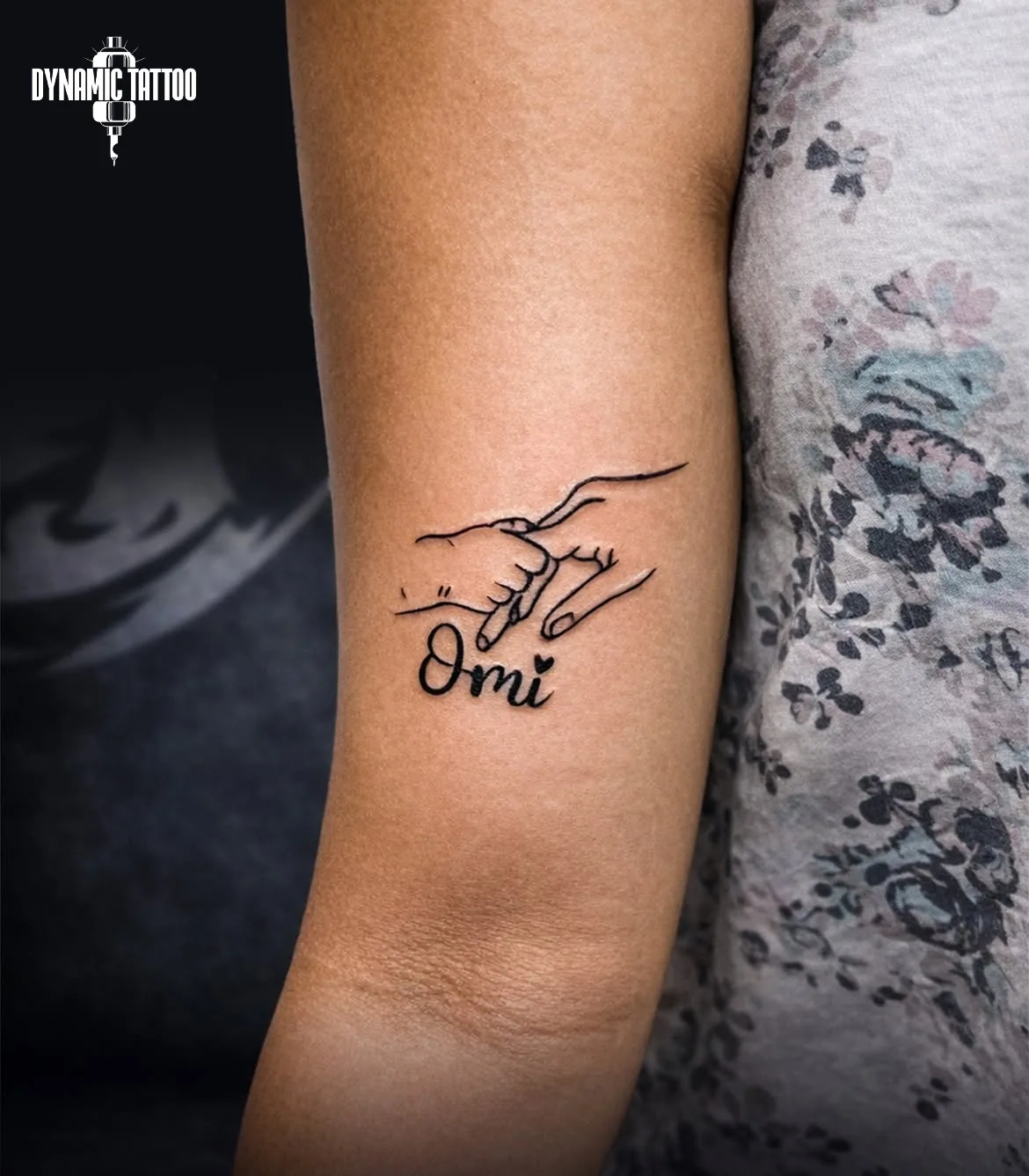
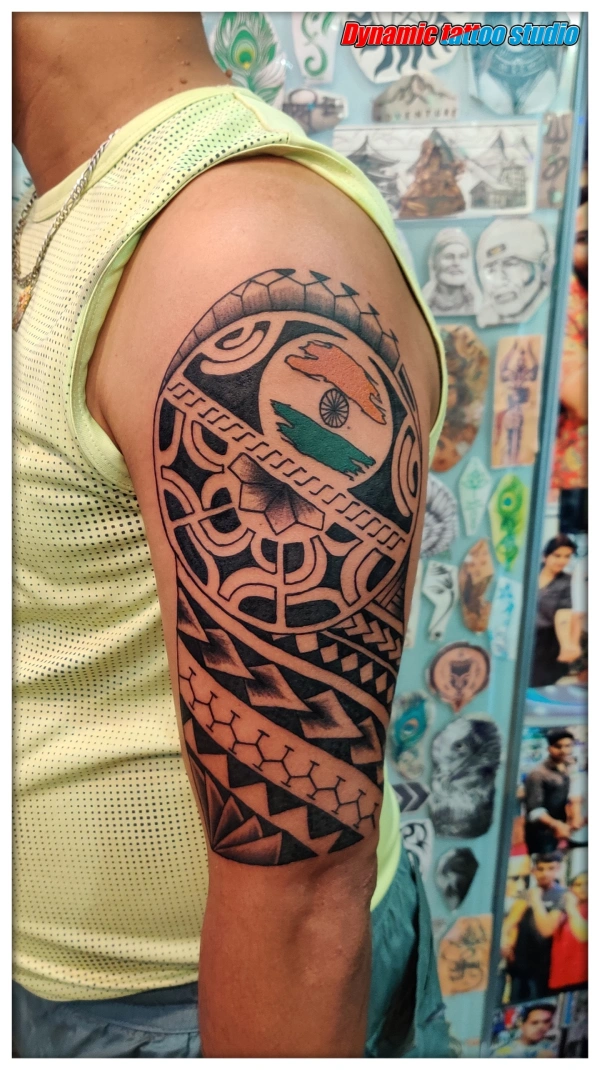
A small, restrained piece and a larger detailed one — different sizes because they are doing different jobs.
As a general guide: simple linework, names and symbols can stay small and still read clearly for years. Anything relying on shading, tonal transitions or a lot of internal detail — realism, portraits, dense mandala work — needs more room, because fine lines and small gaps soften as skin ages, and detail that is too tightly packed can blur into a single dark shape over time.
How to Choose Tattoo Placement
Placement changes more about a tattoo than people expect — not just how visible it is, but how it is drawn, how comfortable the session is, and how it reads once it is healed.
- Visibility. Forearms, hands and neck are on show every day; upper arms, ribs, back and thighs are easy to cover for work or occasions where you would rather keep it private.
- Body shape. Flat, evenly curved areas — outer forearm, shoulder, calf, thigh — are the most straightforward to design for. Sharply curved or moving areas change how a design has to be laid out.
- Design proportions. A design drawn for a forearm does not always translate directly to a rounder or narrower area — proportions may need to be adjusted so the composition still works.
- Work and lifestyle. Some workplaces and situations call for tattoos that can be easily covered; think about how often that matters to you before choosing a highly visible spot.
- Future tattoo planning. If you think you will want more tattoos later, placing this one with that in mind — leaving room to build a sleeve, or keeping pieces on separate areas — saves reworking things down the line.
- Overall composition. Placement is not separate from the design itself; a piece composed specifically for the body part it sits on will always look more intentional than one dropped onto the nearest available skin.
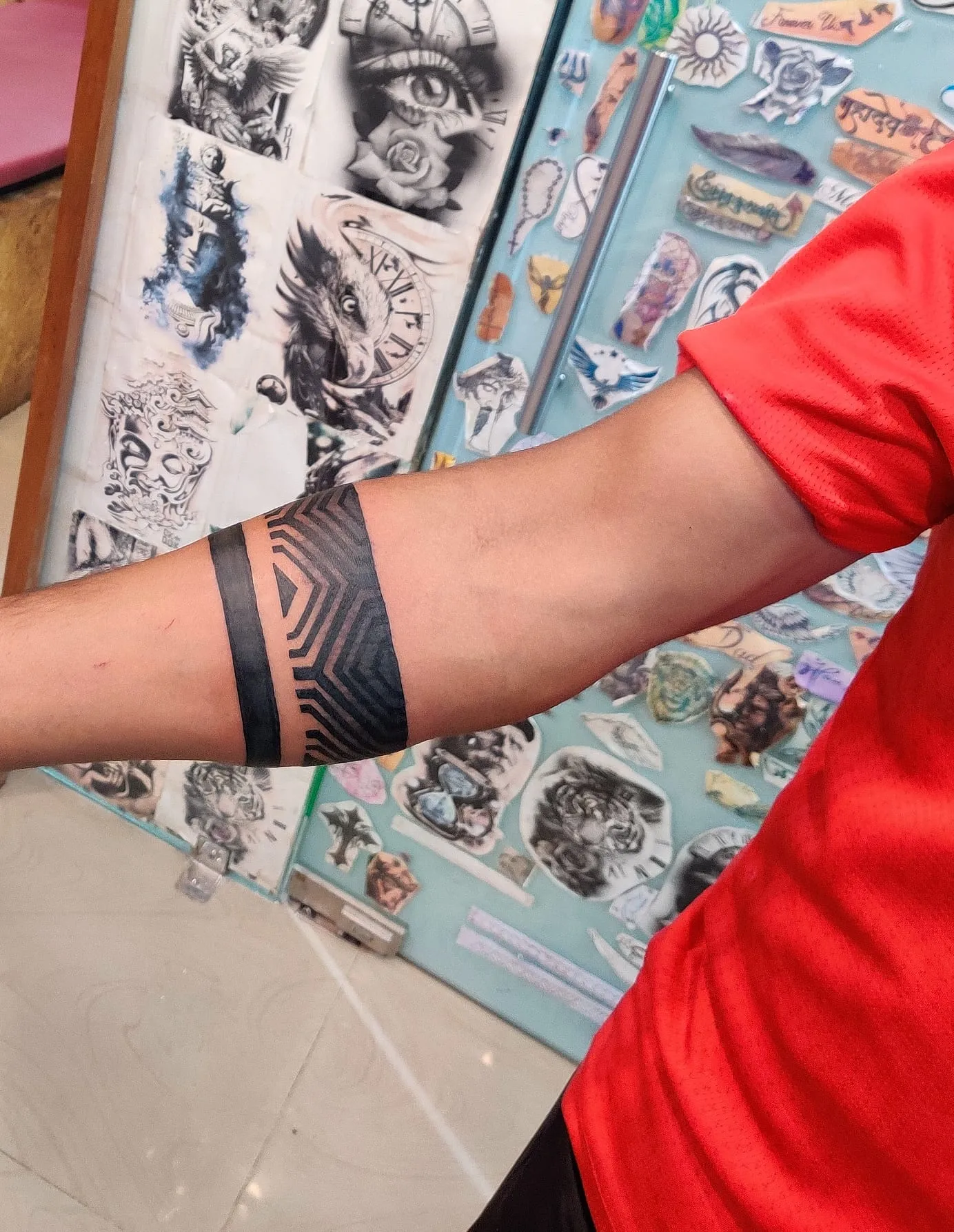
A band has to wrap a limb that tapers and meet itself cleanly on the far side — a good example of placement and design being decided together, not separately.
One Thing Worth Avoiding
Picking a placement before the design is finalised, purely because it “looked good” on someone else. Proportions that suit one body part rarely translate directly to another — talk placement and design through together at a consultation.
Should You Choose a Custom Tattoo?
Quick Answer
A custom tattoo is drawn specifically for you and adapted to the body part it is going on, rather than copied directly from an existing image. It suits anyone who wants a design that is genuinely theirs, or who has an idea that does not quite exist as a ready-made reference.
There is a real difference between asking a studio to copy a reference image as closely as possible, and developing a custom design from an idea, a photo or a rough sketch. With custom work, the artist takes what you bring, works out how it should be composed for your chosen placement and size, and adjusts the stencil with you before any tattooing begins.
Custom pieces are also where placement gets decided properly, since the design is built around the body part from the start rather than resized to fit it afterwards.
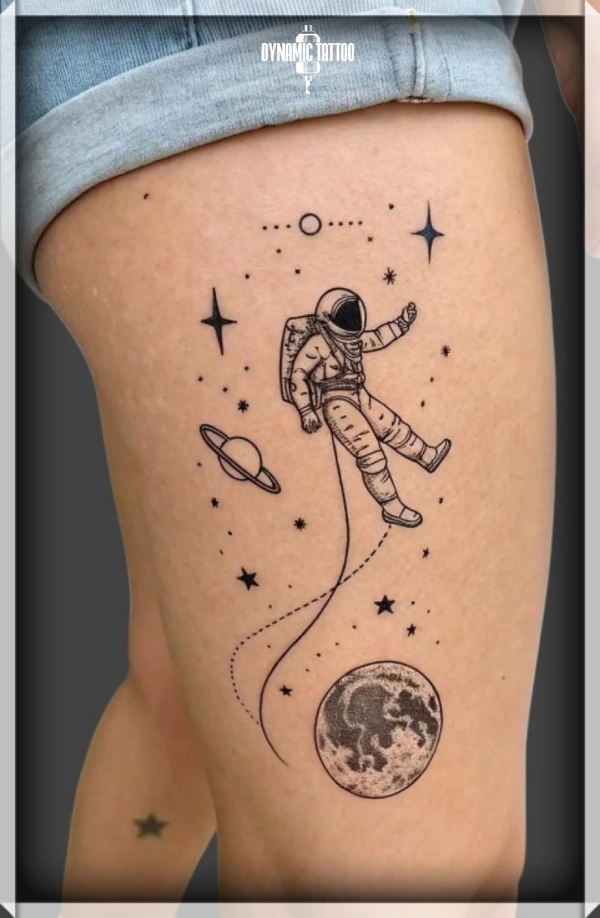
You do not need finished artwork to start a custom conversation — a reference image, a description, or even just a feeling you are going for is enough to begin with.
How to Choose a Tattoo Artist in Goa
Whichever studio you are considering, a few practical checks go a long way toward a design you will be happy with.
- Look at relevant portfolio work. Not just any tattoo the artist has done — work in the specific style you want.
- Check experience in that style. Realism, mandala and fine-line work all demand different skills; an artist strong in one is not automatically strong in all of them.
- Look at healed work where it is available. Fresh photos always look sharper than healed skin will — healed examples give you a more honest picture.
- Discuss sizing and placement openly. An artist who tells you a design needs to be bigger, or suggests a different spot, is generally looking out for how it will actually turn out.
- Ask about hygiene and aftercare. Single-use needles, barrier film and clear aftercare guidance are reasonable things to ask about before you book.
- Have a consultation before booking. A short conversation about your idea, size and placement is worth more than any amount of scrolling through a portfolio alone.
This is about finding the right fit for your idea, not about any one studio being the only option in Goa — different artists suit different styles and different people.
Getting a Tattoo in Goa as a Visitor
Goa's mix of beaches, heat and a limited holiday window makes tattoo planning slightly different for visitors than for local clients.
- Book before travelling. Send your idea and preferred dates ahead of time so an appointment is confirmed before you arrive, rather than hoping for a slot once you land.
- Allow enough time. Larger or more detailed designs need longer sessions, and sometimes more than one sitting — build that into your trip rather than your last day.
- Avoid rushing the design. A design decided in five minutes on your first day in Goa is rarely as good as one discussed properly beforehand.
- Plan around sun, swimming and beach days. A fresh tattoo needs to be kept out of the sun and away from sea water and pools, so it is worth sequencing your trip with that in mind.
- Ask about aftercare before you leave the studio. Make sure you understand what to do for the rest of your stay, especially if you are heading back to the beach.
For more detail on caring for a fresh tattoo in Goa's climate, see the full tattoo aftercare guide.
Why Choose Dynamic Tattoo Studio in Goa?
Dynamic Tattoo Studio has been tattooing from Old Goa since 2011. It is a permanent studio at Church Basilica Junction, directly opposite the Basilica of Bom Jesus, serving clients from Panjim, Panaji and across Goa as well as visitors travelling in for a tattoo.
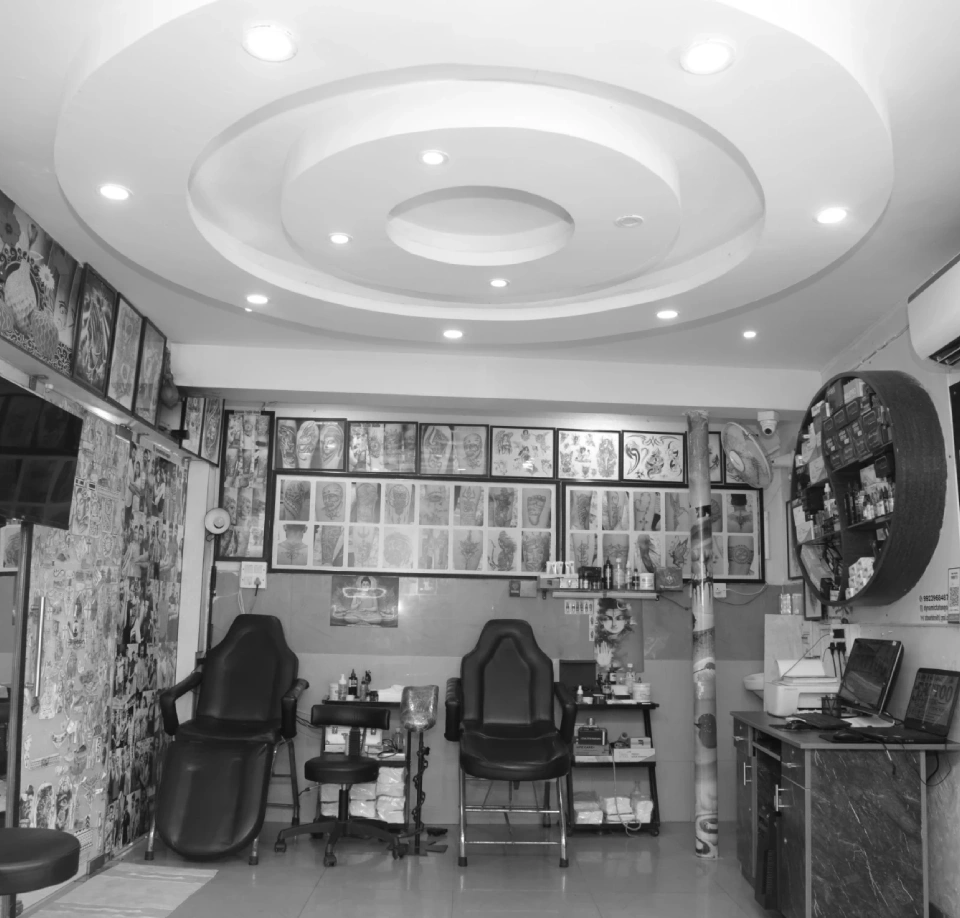
A permanent studio means the same artists are there for follow-up sittings and any questions after your session — not a seasonal setup that may not be there next year.
The studio works across realistic, portrait, custom, cover-up, black and grey, religious, traditional, mandala, small and armband tattoos, and every design starts with a consultation to talk through your idea, style, size and placement before anything is drawn up.
The Artists
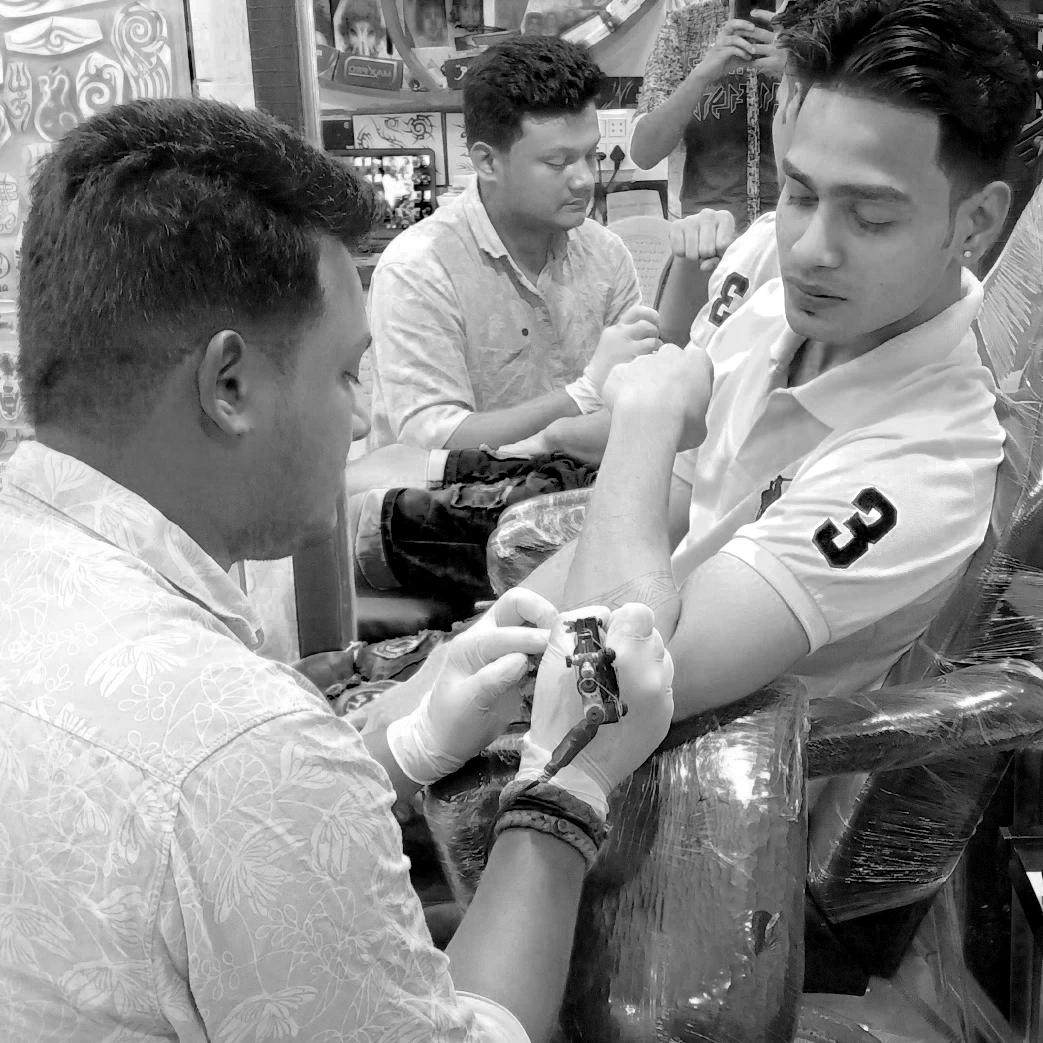
Ravi Khavadiya
Tattoo Artist
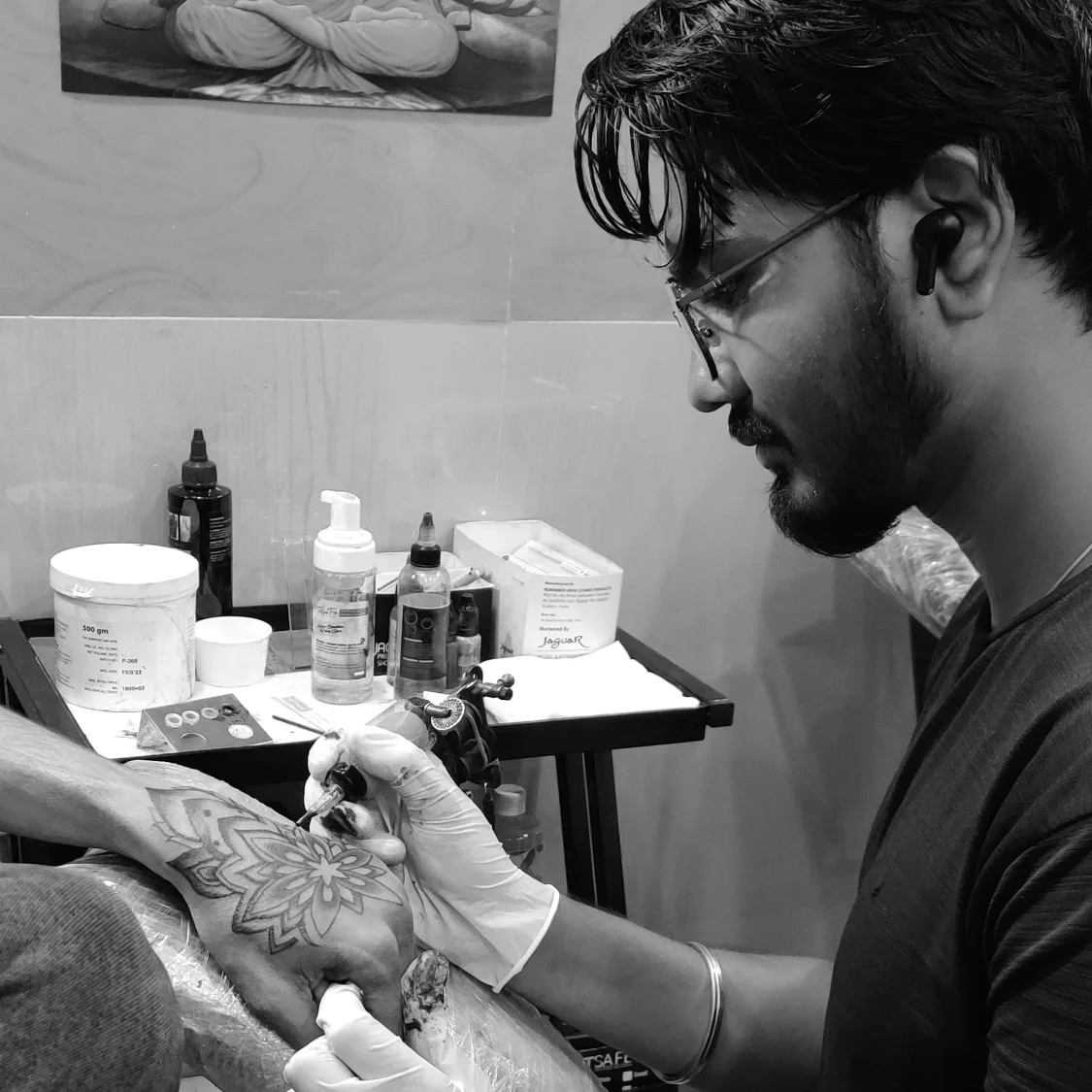
Aakash Khavadiya
Tattoo Artist
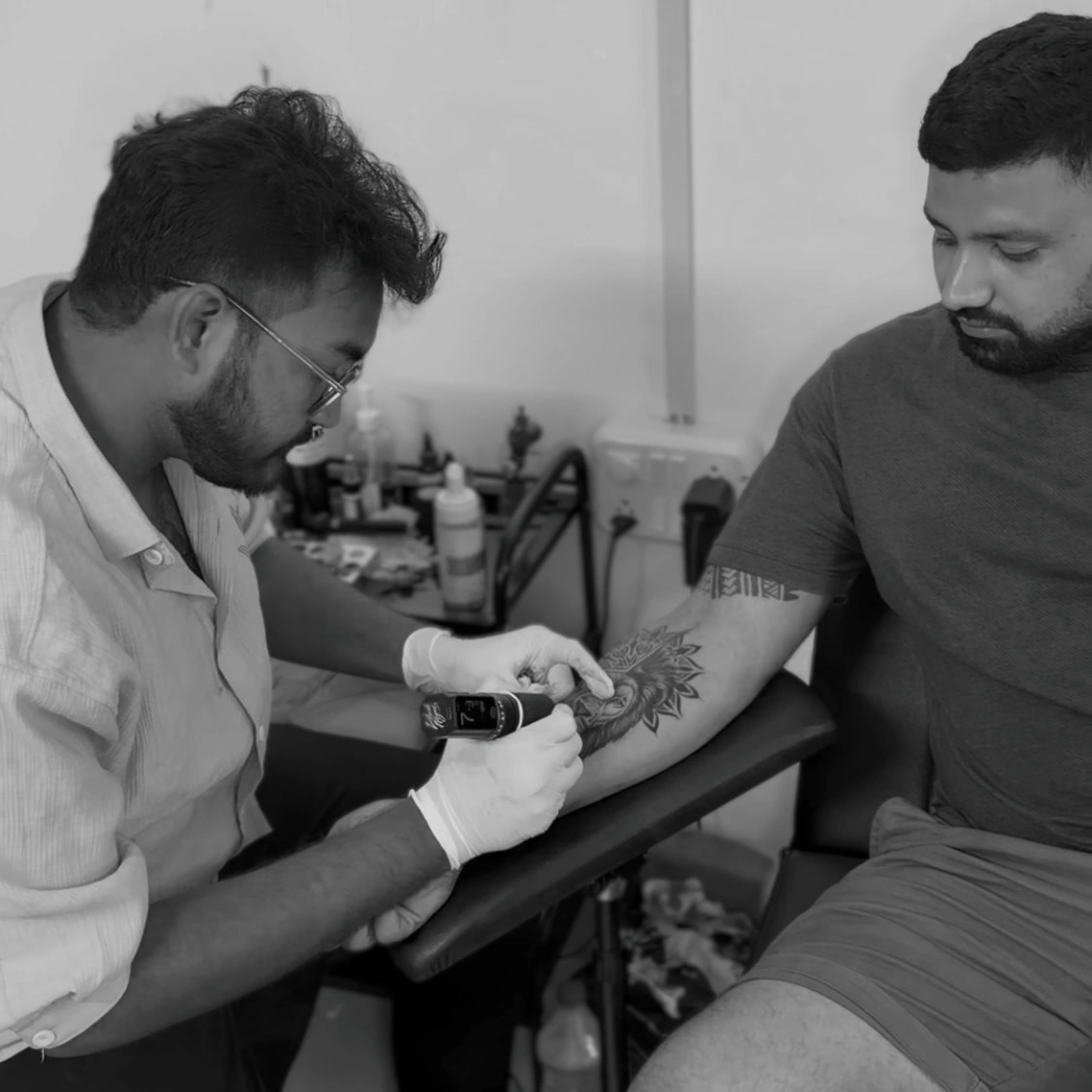
Rahul Khavadiya
Tattoo Artist
How to Book a Tattoo at Dynamic Tattoo Studio
Quick Answer
Call or WhatsApp +91 99239 68487 with your idea, reference images, preferred size and placement. An artist will talk it through with you and confirm a date before you travel.
- Send your idea. A reference image, a rough sketch or just a description is enough to start — by WhatsApp, phone, or the contact form.
- Discuss style, size and placement. An artist will talk through what fits your idea and where.
- Consultation. One of the studio's tattoo artists works through the direction of the design with you.
- Confirm your appointment. A date is set before you travel, so your visit is to get tattooed, not to find a slot.
- The session. A stencil goes on and is checked with you before tattooing begins.
- Aftercare. You leave with clear aftercare guidance — important in Goa's heat and humidity.
Frequently Asked Questions
How do I choose a tattoo design?
Start with why you want it — a personal meaning, a visual you love, or simply a style you are drawn to. From there, narrow down a style that suits the idea, decide on rough size and placement, and bring references to a consultation so an artist can help shape it into a design that will actually work on your body.
Which tattoo style is best for a first tattoo?
There is no single best style for everyone, but small, fine-line and simple black and grey designs are common first choices because they are quicker to sit for and easier to place somewhere discreet. If you already have a strong pull toward realism, mandala or a bold traditional piece, that is a perfectly good place to start too — talk it through with an artist first.
How big should a detailed tattoo be?
Detailed work needs enough physical space to hold shading, fine lines and contrast without them merging together as the tattoo ages. As a rule, the more detail a design carries, or the smaller its individual elements, the larger the overall tattoo needs to be. An artist can tell you honestly if your reference needs to be sized up.
What should I consider before choosing tattoo placement?
Think about how visible you want the tattoo to be, how the body part curves or moves, whether the design’s proportions actually fit that area, your work and lifestyle, and how the placement might sit alongside any tattoos you plan to add later.
Can I get a custom tattoo designed in Goa?
Yes. Custom tattoos are designed specifically for you rather than copied from a reference, and Dynamic Tattoo Studio develops custom pieces from an idea, a photo or a rough sketch. See the custom tattoo page for examples of past work.
Can tourists get tattoos at Dynamic Tattoo Studio?
Yes. The studio regularly tattoos visitors to Goa alongside local clients from Panjim, Panaji and across the state. Book ahead of your travel dates where possible, and allow enough time in your trip for the design conversation and the session itself.
Where is Dynamic Tattoo Studio located?
Dynamic Tattoo Studio is at Church Basilica Junction, Opposite Old Goa, Old Goa, Goa 403402, directly opposite the Basilica of Bom Jesus. The studio serves clients from Panjim and Panaji as well as visitors from across Goa.
Ready to Plan Your Tattoo?
Share your idea, preferred style and rough size with Dynamic Tattoo Studio, and an artist will help you turn it into a design that works.