
Bold & Meaningful: Modern Tattoo Trends & Style Guide
Tattoos are shedding transient algorithmic micro-trends in favour of deep personal storytelling and architectural permanence. From dense Polynesian blackwork to whisper-fine single-needle precision and rich neo-traditional mythology, here is how modern ink balances artistic ambition with ten-year skin reality.
On This Page
For years, social feeds celebrated ultra-miniature, feather-light sticker tattoos — designs captured under bright studio ring lights minutes after the needle lifted. But skin is a living, breathing canvas that sheds billions of epidermal cells each year, carries continuous macrophage immune activity, and stretches across shifting muscle planes. The tattoo renaissance of today represents a decisive cultural return to work that endures: pieces rooted in genuine personal narrative, anatomical flow, and resilient technical execution.
Whether you are drawn to the meditative symmetry of mandala blackwork, the quiet grace of fine-line flora, the dramatic punch of neo-traditional folklore, or the astonishing depth of micro-realism, your choice must marry artistic desire with how ink actually ages. This guide unpacks the four defining tattoo movements of our era, dissects placement longevity, and shares direct studio advice from Dynamic Tattoo Studio in Old Goa.
Fine-Line & Abstract Precision: Spacing, Line Weight & Aging Gracefully
Fine-line tattooing has matured from a fragile novelty into a disciplined master craft. Driven by advancements in digital rotary machines and single-needle groupings (03 and 01 bugpins), contemporary fine-line art achieves delicate, hairline strokes that mimic architectural blueprints, etched botanical lithographs, and celestial geometry.
However, the secret to fine-line longevity lies not in packing details tightly, but in negative space buffers. As white blood cells slowly metabolize ink particles over 5 to 10 years, lines naturally broaden by a fraction of a millimetre. An artist who understands skin will introduce generous breathing room between parallel strokes, preventing delicate petals or geometric concentric rings from bleeding into a solid mass down the road.
Anatomical Flow & Linear Restraint
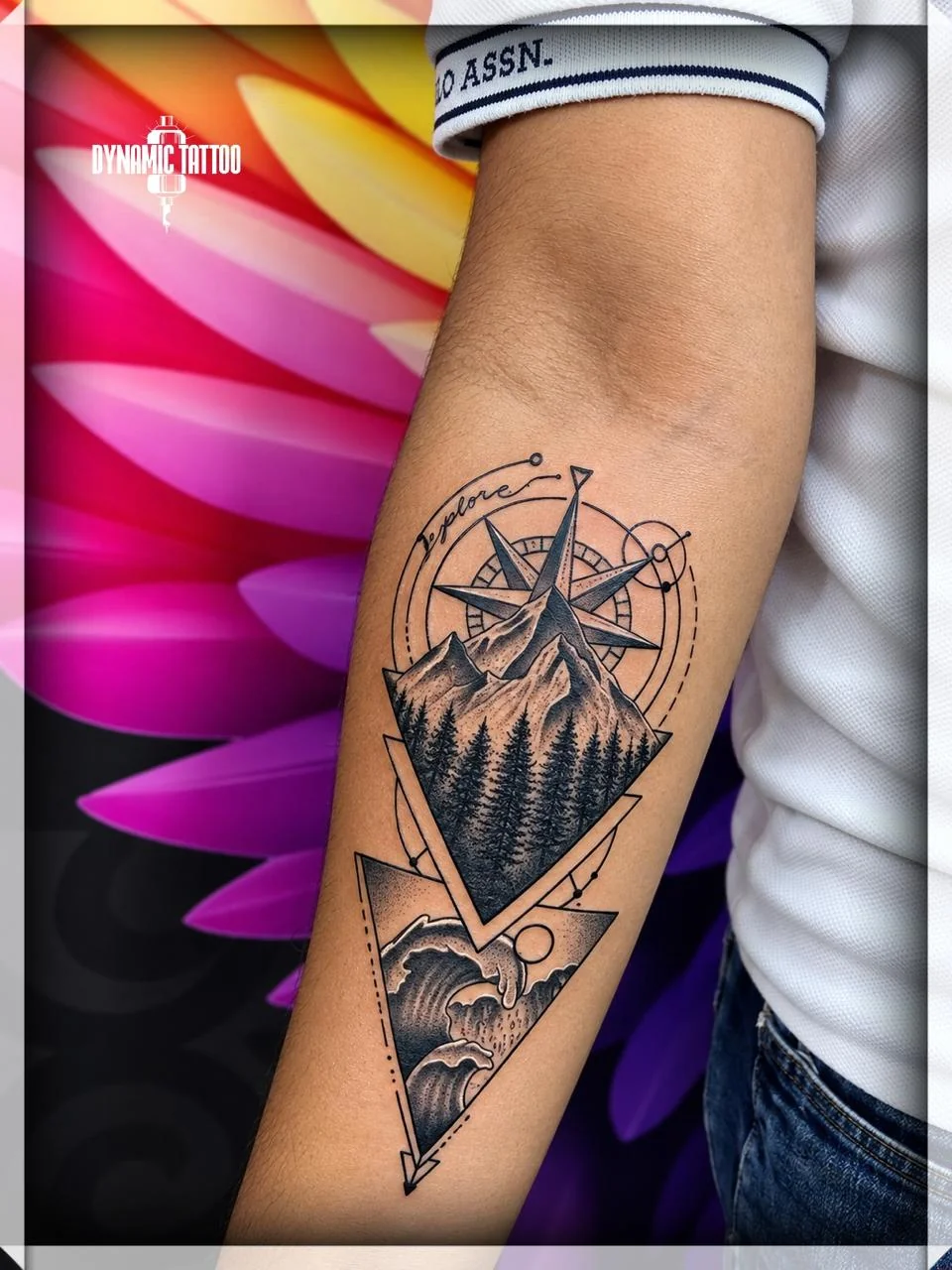
Placing fine-line art along low-shear anatomical lines — such as the crest of the spine, the inner forearm, or the calf — preserves delicate linear integrity against daily skin friction. When designing pieces like our spine-aligned crescent moon or geometric landscape triangles, the human body's natural curvature becomes part of the composition.
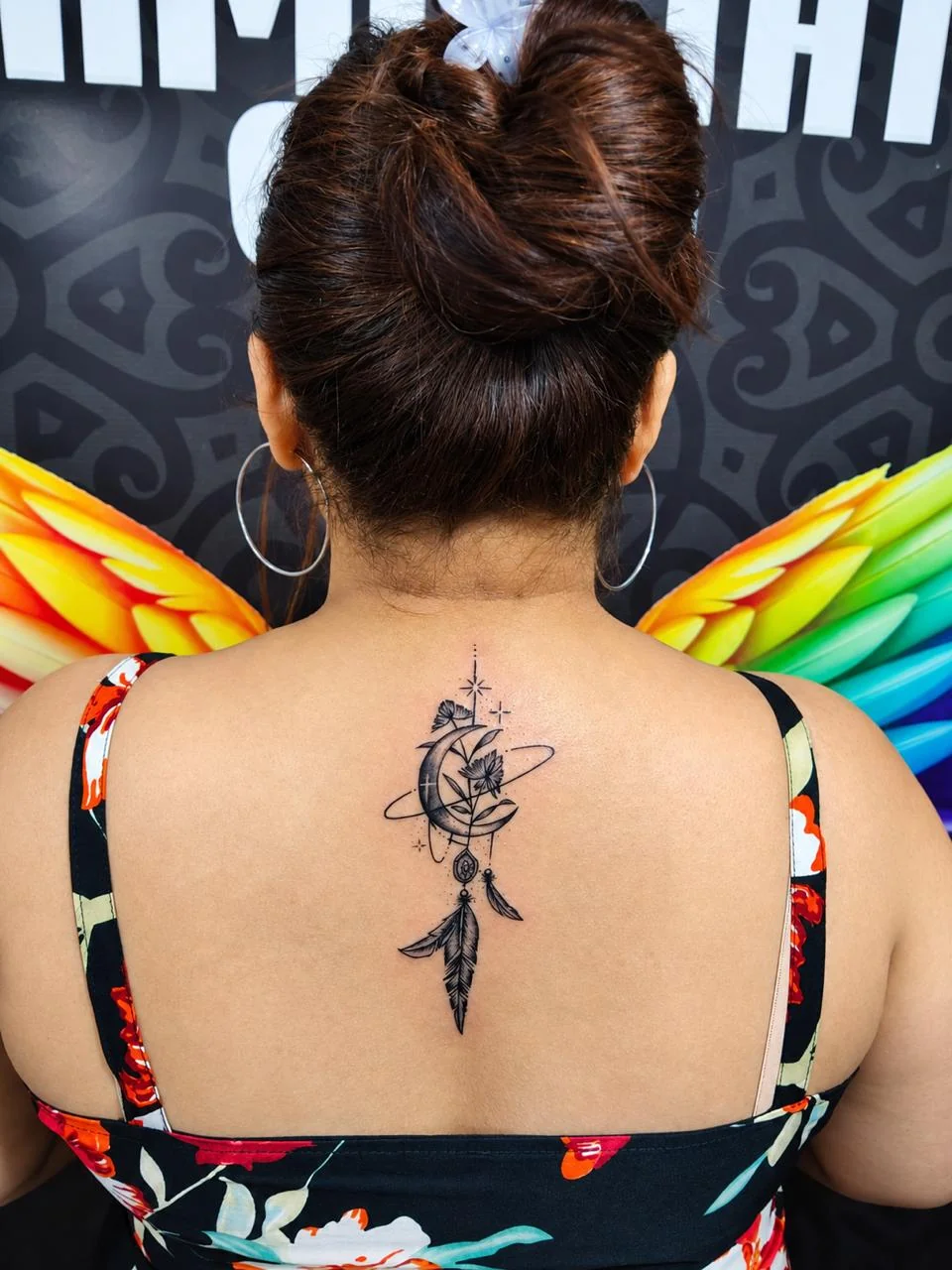
When combined with abstract geometry, fine-line work transforms travel memories and milestone moments into timeless iconography. Mountain silhouettes, maritime compass roses, and wave crests can be nested inside clean geometric polygons to create a structured narrative that remains sharp through every life chapter.
Artist Rule: The 2mm Negative Space Buffer
Never let a fine-line reference pack individual lines closer than 2 mm together if you expect them to remain distinct in ten years. The skin is not archival paper; give your ink room to breathe and settle naturally.
Heavy Blackwork & Negative Space: Geometry, Blackout Flow & Contrast Dynamics
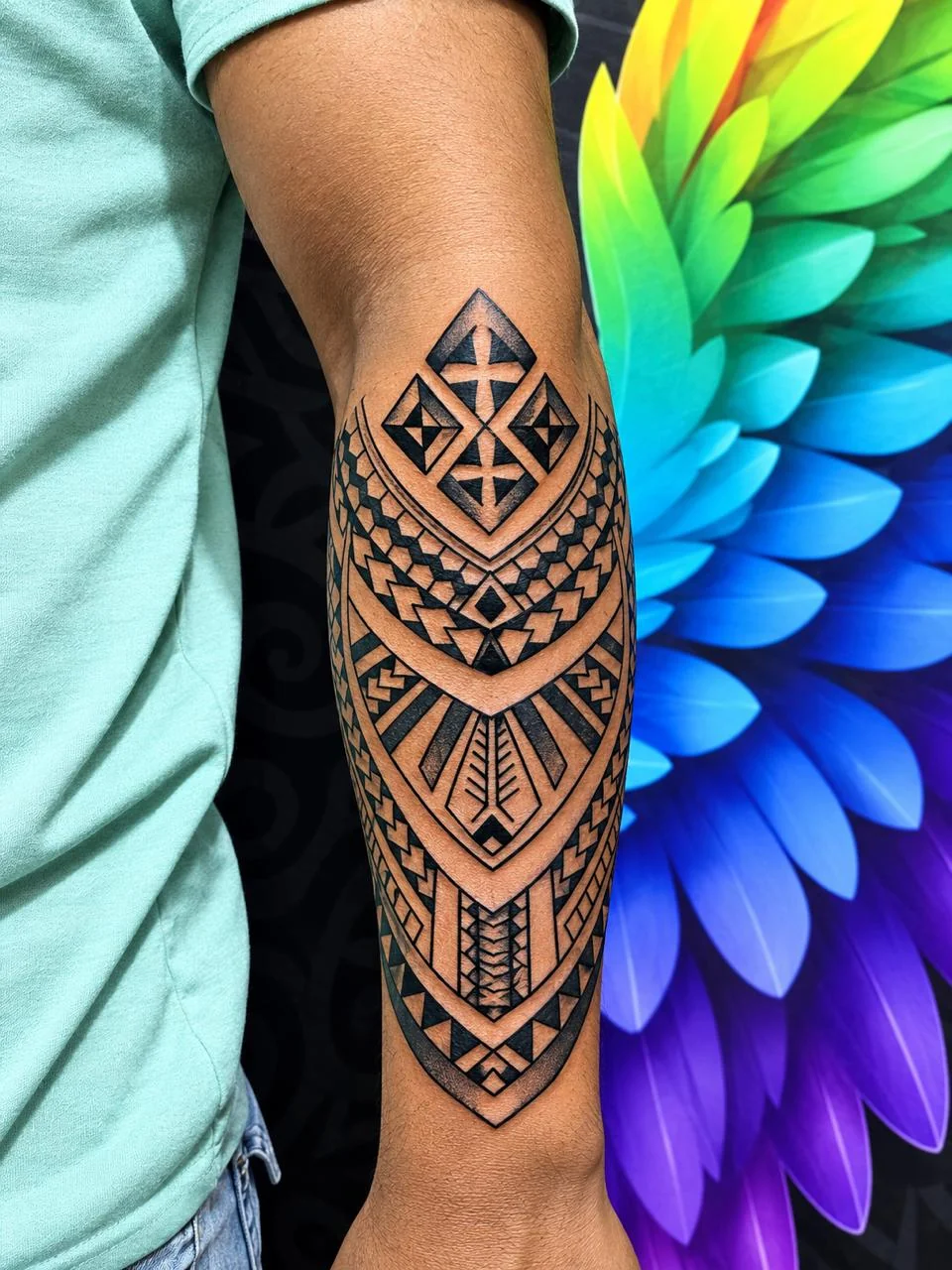
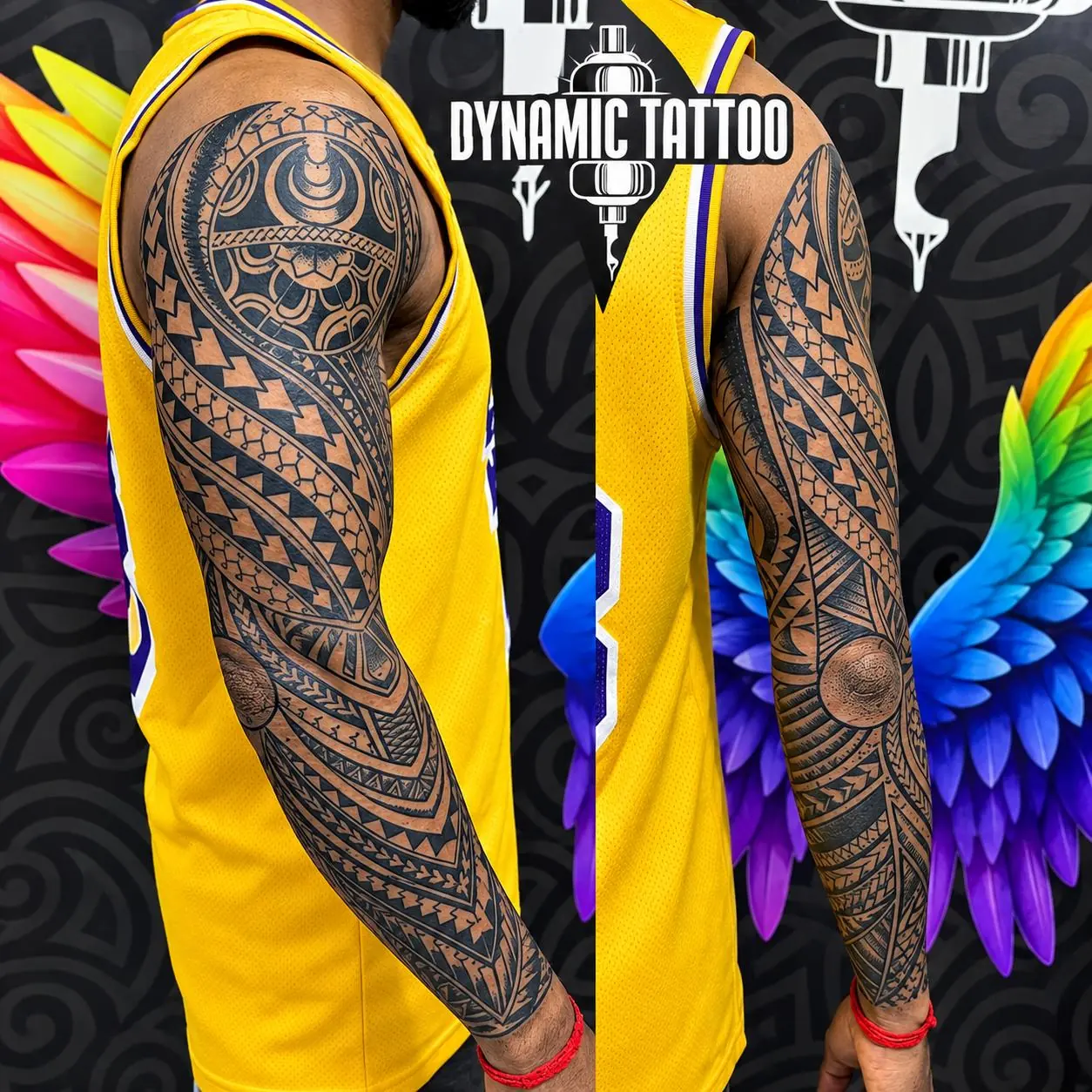
At the opposite end of the stylistic spectrum stands Heavy Blackwork — the ultimate testament to ink durability. Rooted in ancestral Polynesian, Marquesan, and Maori traditions, modern blackwork combines solid carbon black saturation with calculated skin breaks (negative space) to sculpt the body's muscular architecture.
Unlike light grey washes that can soften under UV exposure, dense carbon black pigment packs into the dermis with unmatched permanence. By alternating saturated tribal chevrons, spearhead grids, and 3D geometric tessellations against bare skin, blackwork creates optical illusions of depth and motion that turn an entire arm or shoulder into a living sculpture.
Tribal Motifs & Cultural Resonance
In tribal tattooing, every shape holds ancestral weight. Spearhead arrows symbolize courage and decisive action; shark teeth (niho mano) provide spiritual protection; braided ocean waves denote journey, migration, and adaptability. Modern clients frequently commission custom blackwork that blends these ancestral motifs with personal symbols, creating a protective talisman tailored to their life path.
Blackwork is also the supreme medium for sacred geometry and optical illusion sleeves. By pairing high-density mandalas with 3D cube tessellations (isometric cubes) and fine stipple shading, the tattoo plays with surrounding light, shifting as the forearm flexes and rotates.
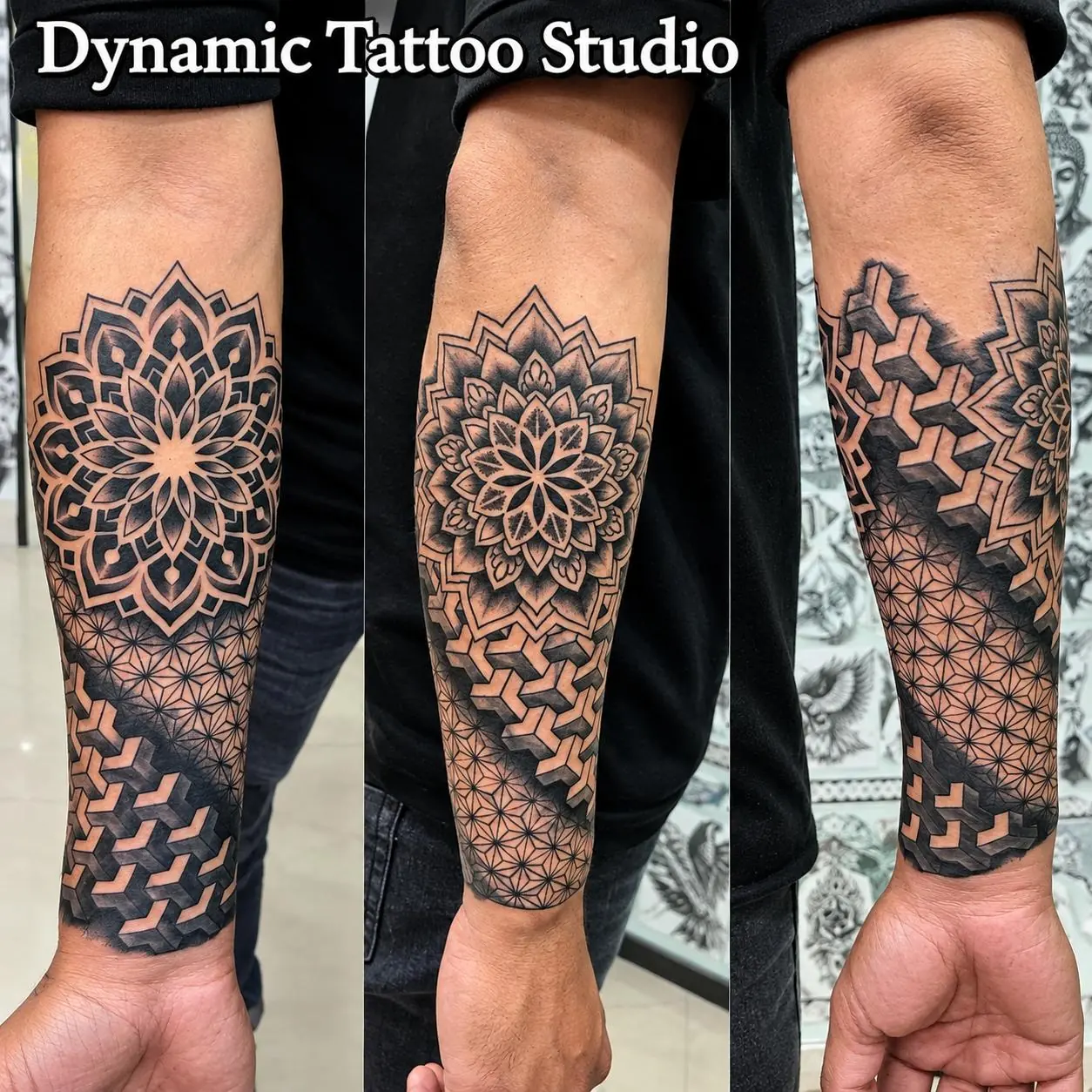
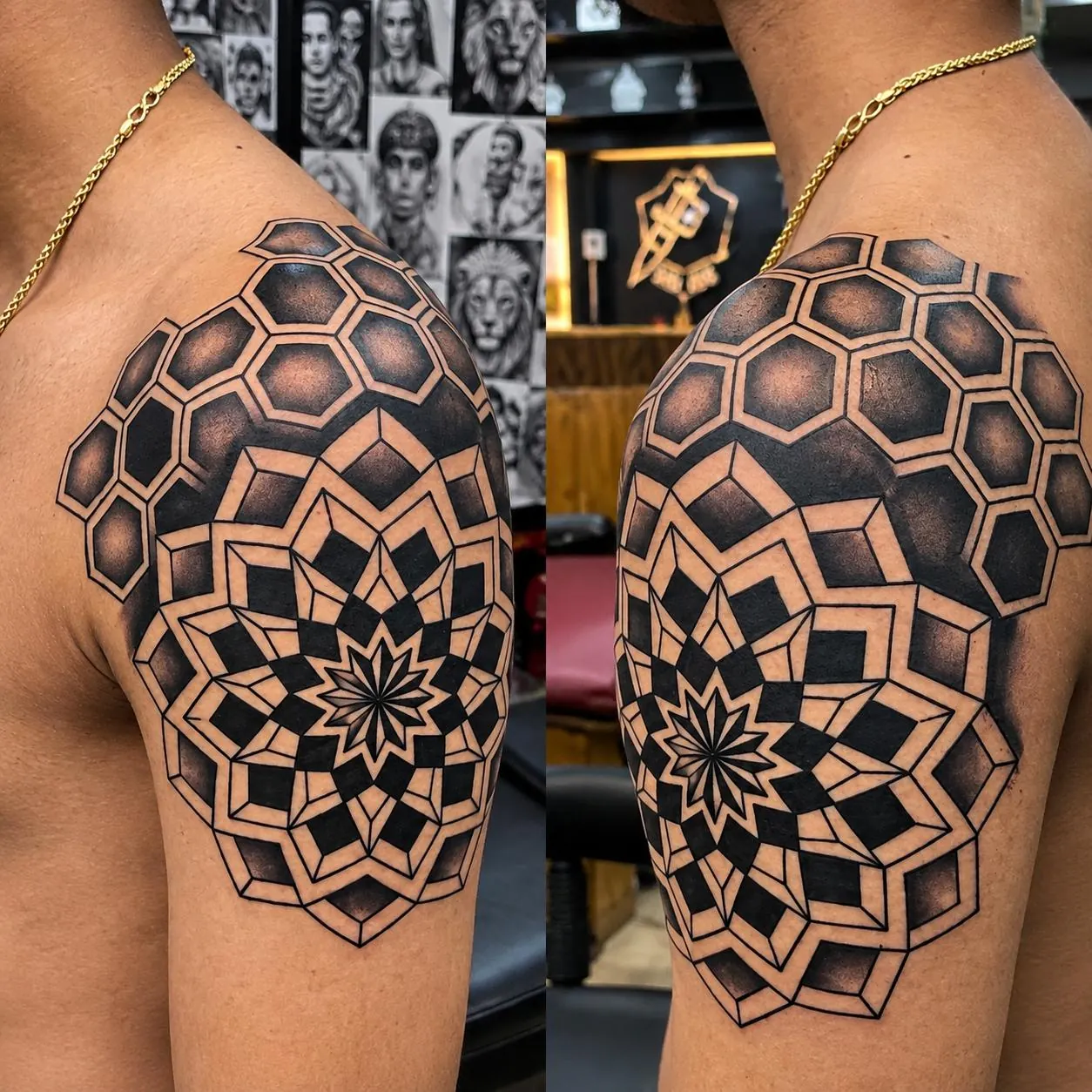
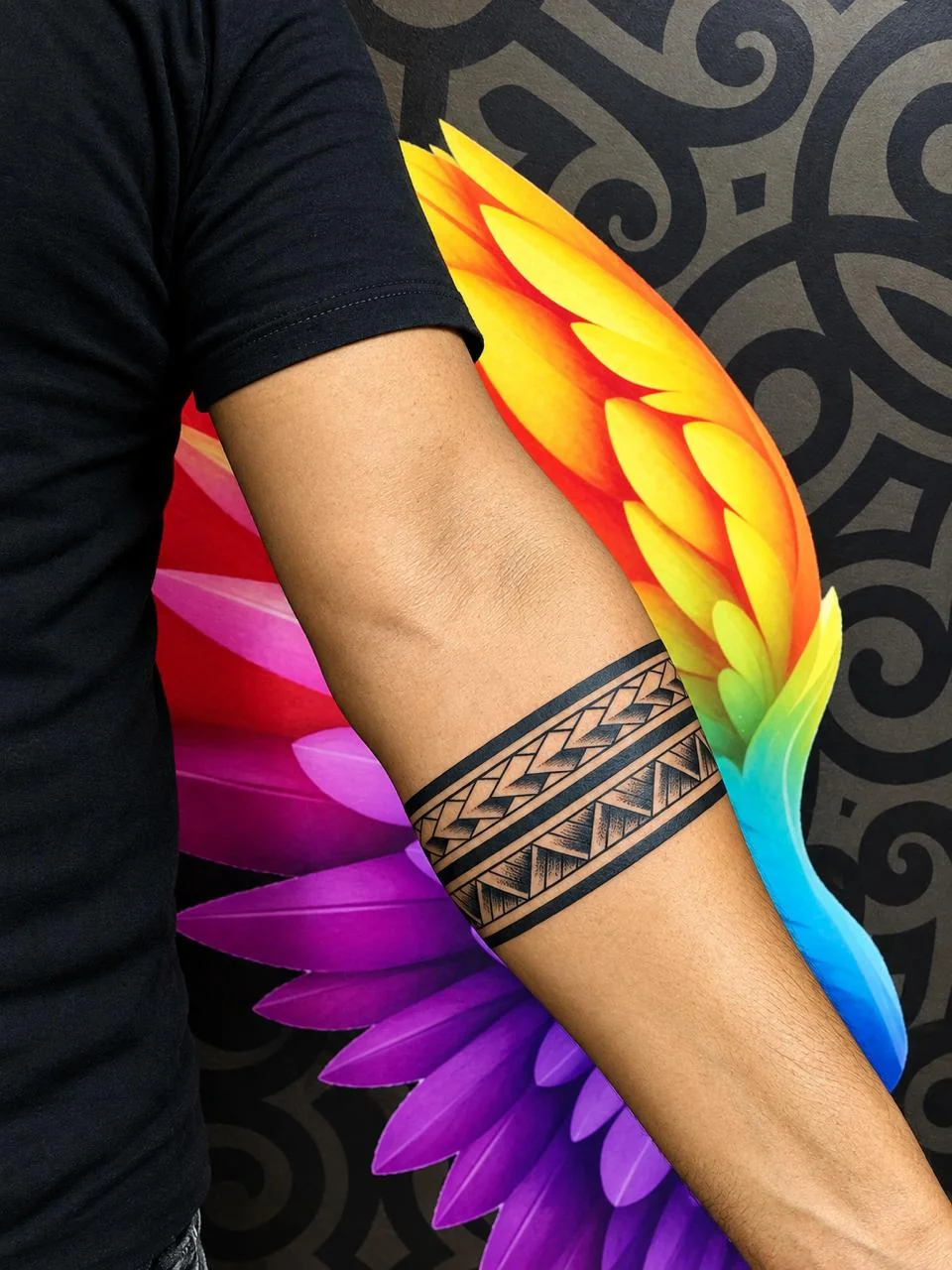
From standalone Polynesian armbands that wrap cleanly around forearm musculature to expansive full-arm blackout tapestries, blackwork demands flawless saturation. A single weak patch of grey immediately breaks the optical tension of the piece, which is why working with an artist seasoned in solid packing is essential.
Neo-Traditional & Mythological Ink: Rich Narratives, Updated Palettes & Bold Borders
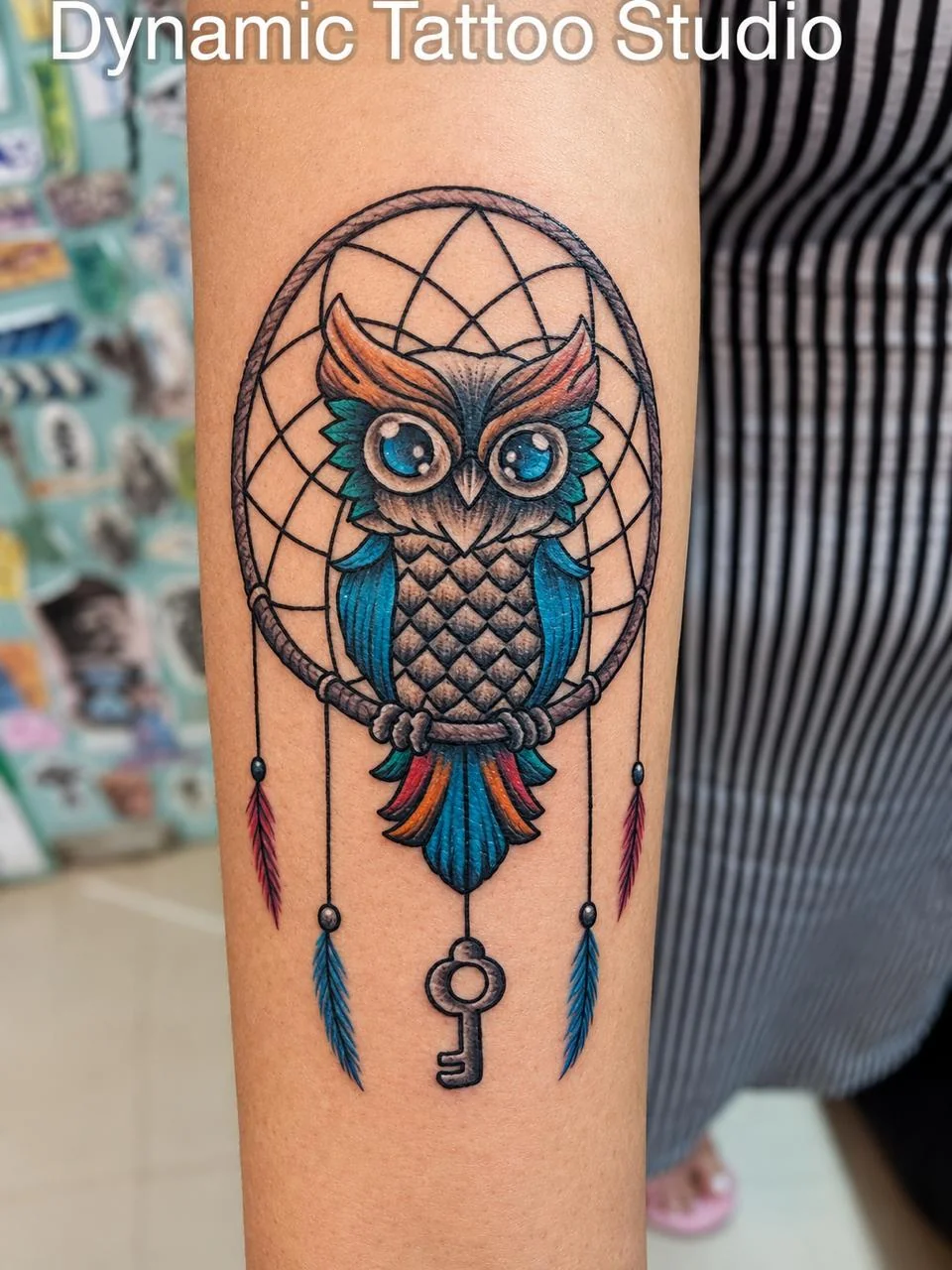
If blackwork is the rhythm of tattooing, Neo-Traditional is its grand symphonic opera. Evolving from early 20th-century American Traditional flash, neo-traditional preserves the ironclad rule of “bold lines and clear silhouettes” while introducing modern illustrative flair: dimensional color gradients, dramatic lighting, and deep mythological folklore.
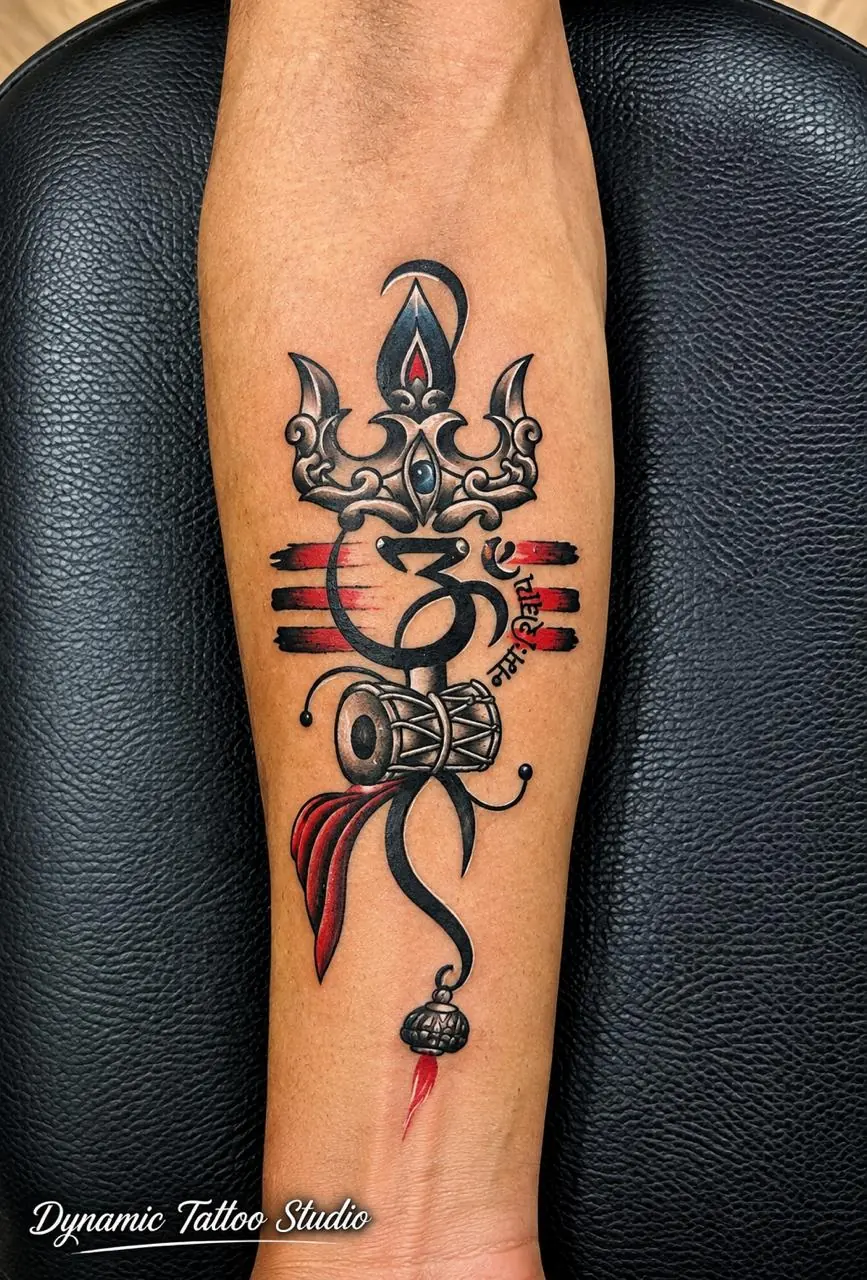
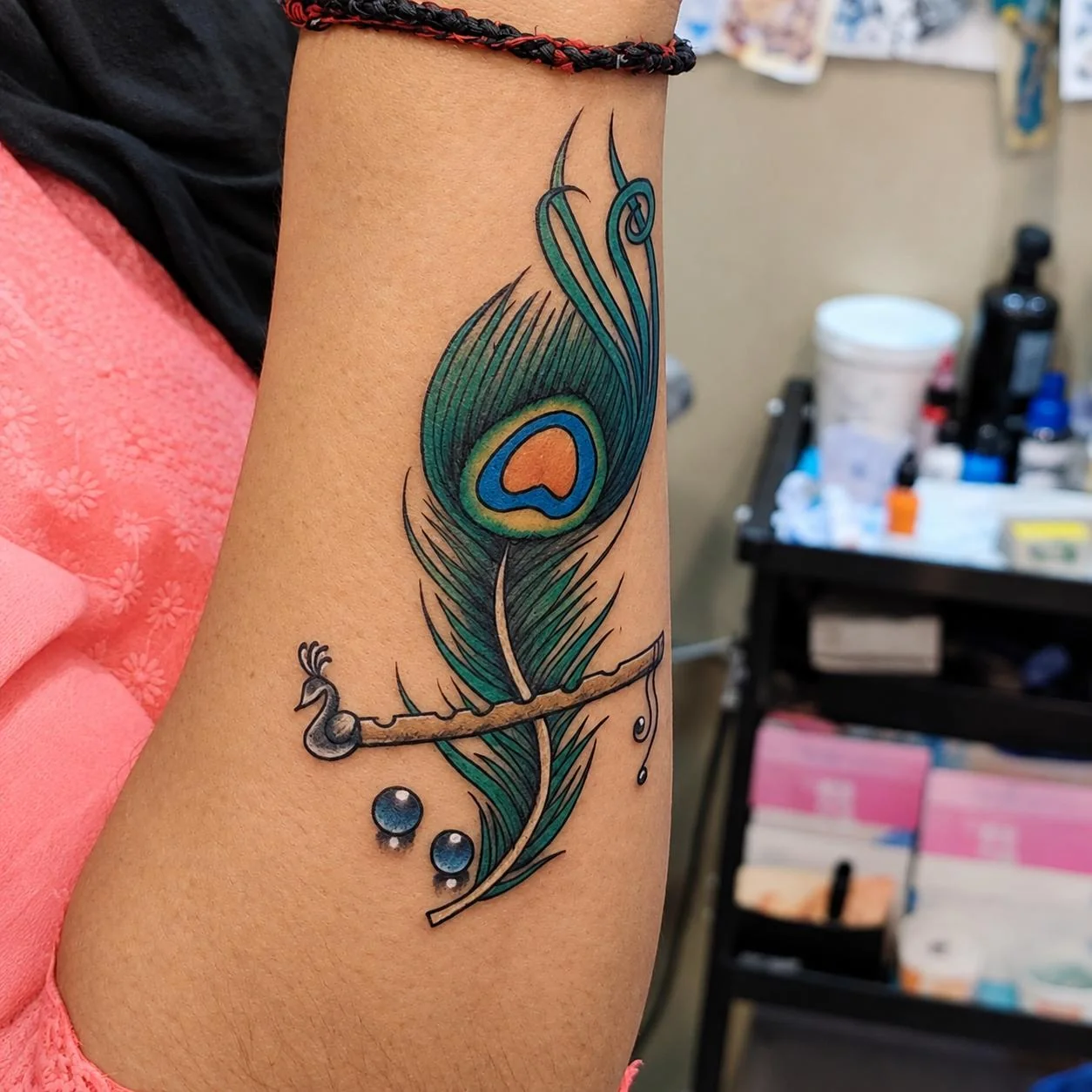
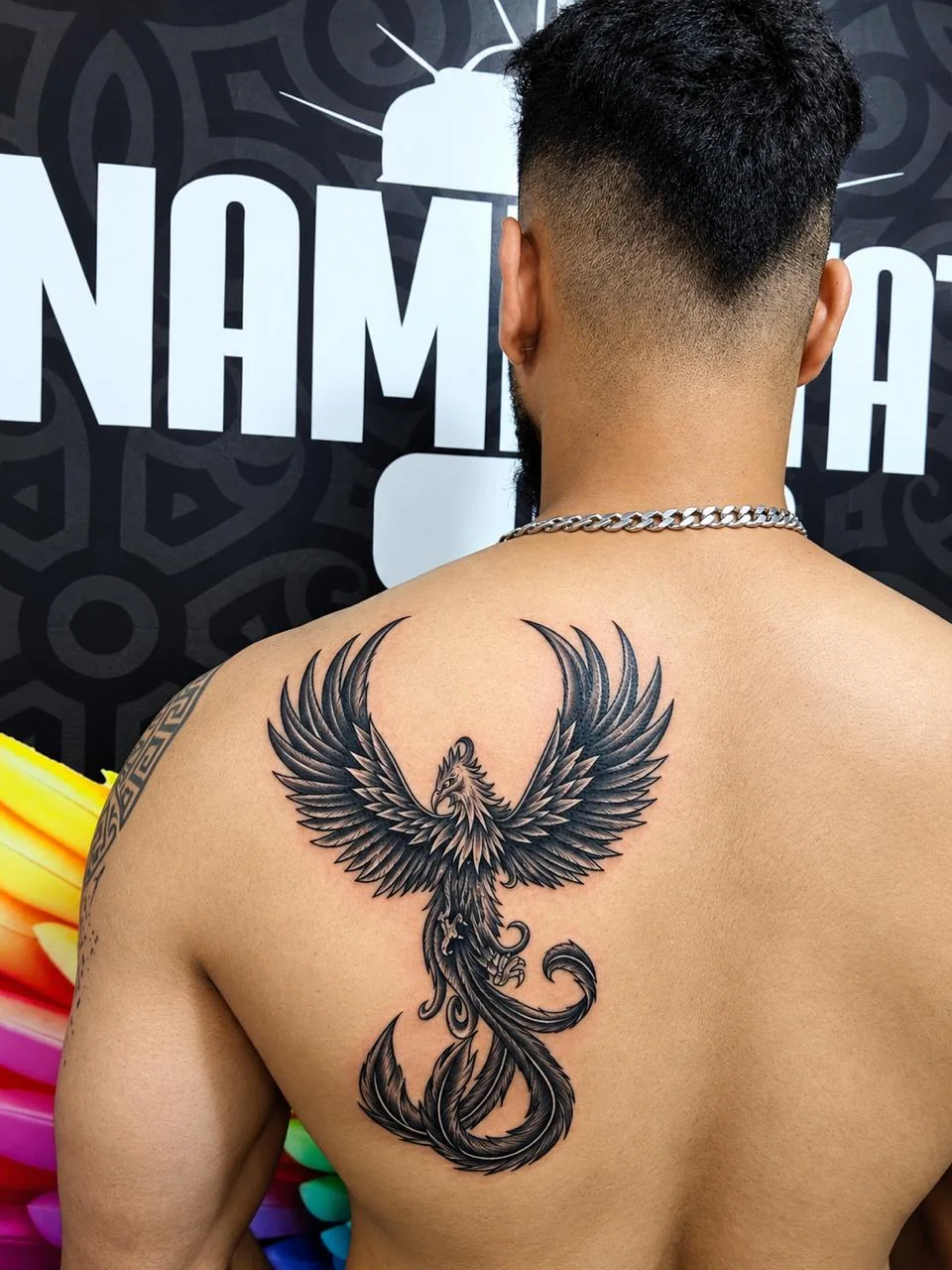
In India and across international tattooing circles, neo-traditional ink has become the ultimate vehicle for sacred storytelling. Mythological icons like Lord Shiva's Trishul and Damru, Lord Krishna's peacock feather and bansuri, or ancient guardians like the Phoenix are reimagined with bold outer borders, metallic chrome reflections, and rich jewel tones that withstand years of skin aging.
Sacred Devotion Meets Modern Illustration
A neo-traditional Trishul forearm piece does not simply replicate a flat emblem. It incorporates the divine Om sound vibration, a textured damru drum bound in cords, and dynamic red Tripundra brushstrokes. The bold outline shields the vibrant red pigments from spreading, ensuring the spiritual emblem remains razor-sharp for decades.
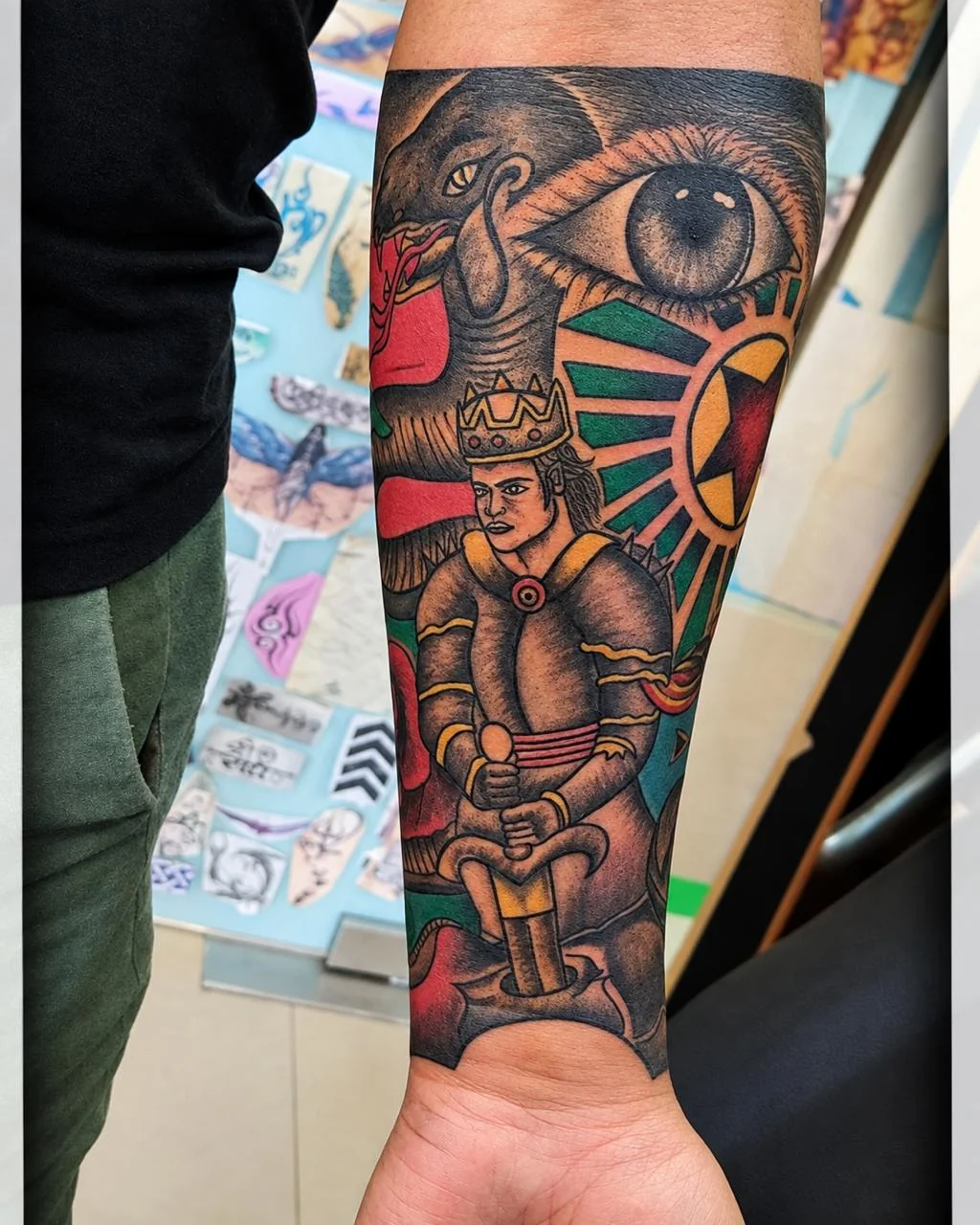
Neo-traditional composition also thrives on rich storytelling sleeves featuring medieval knights, all-seeing eyes, and guardian animals. By pairing vivid golden yellows and forest greens against deep black contouring, the artwork commands attention from across a room while inviting close-up admiration of intricate line transitions.
Whether you choose the spiritual grace of Krishna's bansuri flute draped in peacock plumes or the rebirth symbolism of an outstretched Phoenix across the shoulder blades, neo-traditional ink gives your story an unmistakable visual punch that never goes out of style.
Micro-Realism & Placement Reality Check: High vs. Low Friction Zones
Micro-realism is arguably the most viral tattoo style of the 2020s. Clients are consistently captivated by pieces that compress photographic fidelity — glistening eyes, soft baby curls, and lifelike fabric drapery — into palm-sized skin compositions. Yet, micro-realism also demands the most uncompromising honesty between artist and client regarding placement friction.
Because micro-realism relies on subtle tone steps, translucent grey washes, and delicate white ink catchlights rather than heavy border outlines, its preservation depends directly on how the skin exfoliates and bends:
- Low-Friction Safe Zones (Recommended): Outer upper bicep, outer forearm, shoulder cap, and upper calf. In these areas, skin remains relatively taut, receives minimal abrasive friction from waistbands or watch straps, and holds micro-tonal gradations cleanly.
- High-Friction Danger Zones (Proceed with Caution): Fingers, inner wrists, ribs, collarbones, and feet. Constant skin bending, sweating, and mechanical contact can cause feather-light grey washes to lighten or soften rapidly within two to three years.
The Razor's Edge: Reflections & Focus
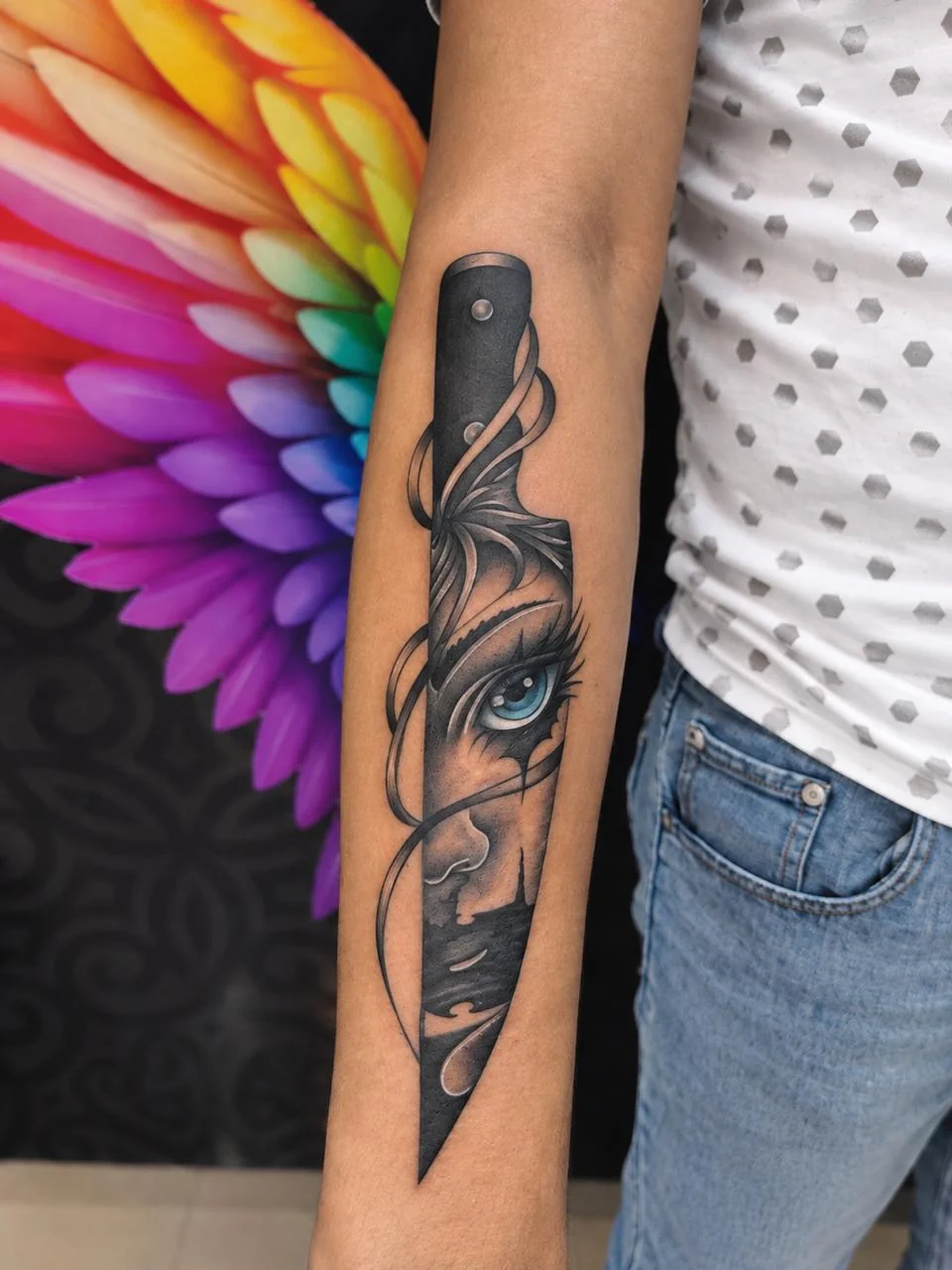
Our signature chef knife forearm tattoo demonstrates micro-realism at its peak. By confining the realistic woman's face and piercing blue eye inside the sharp geometric silhouette of a chef knife, the dark outer blade acts as an optical frame, locking in contrast and protecting the delicate interior shading.
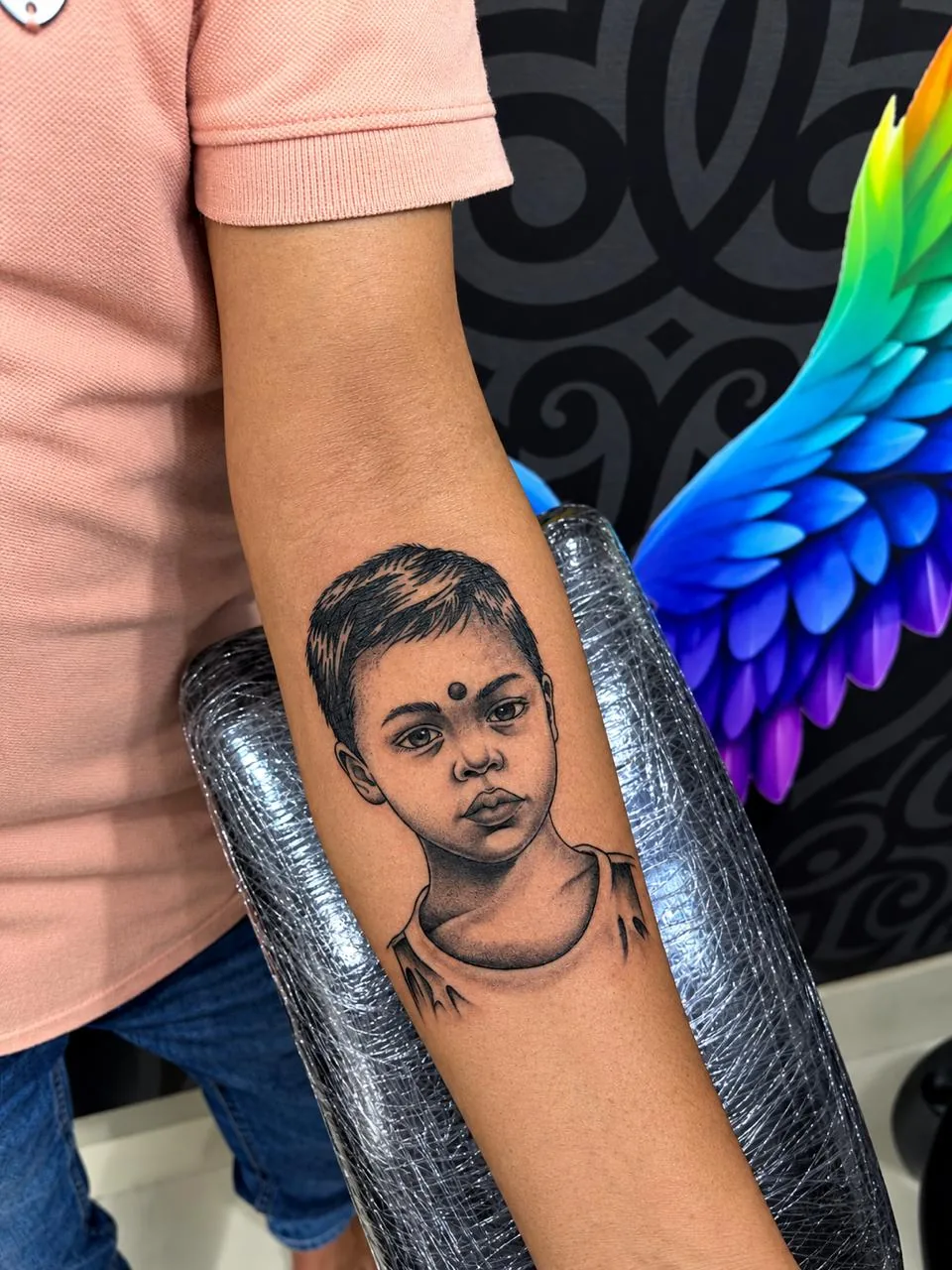
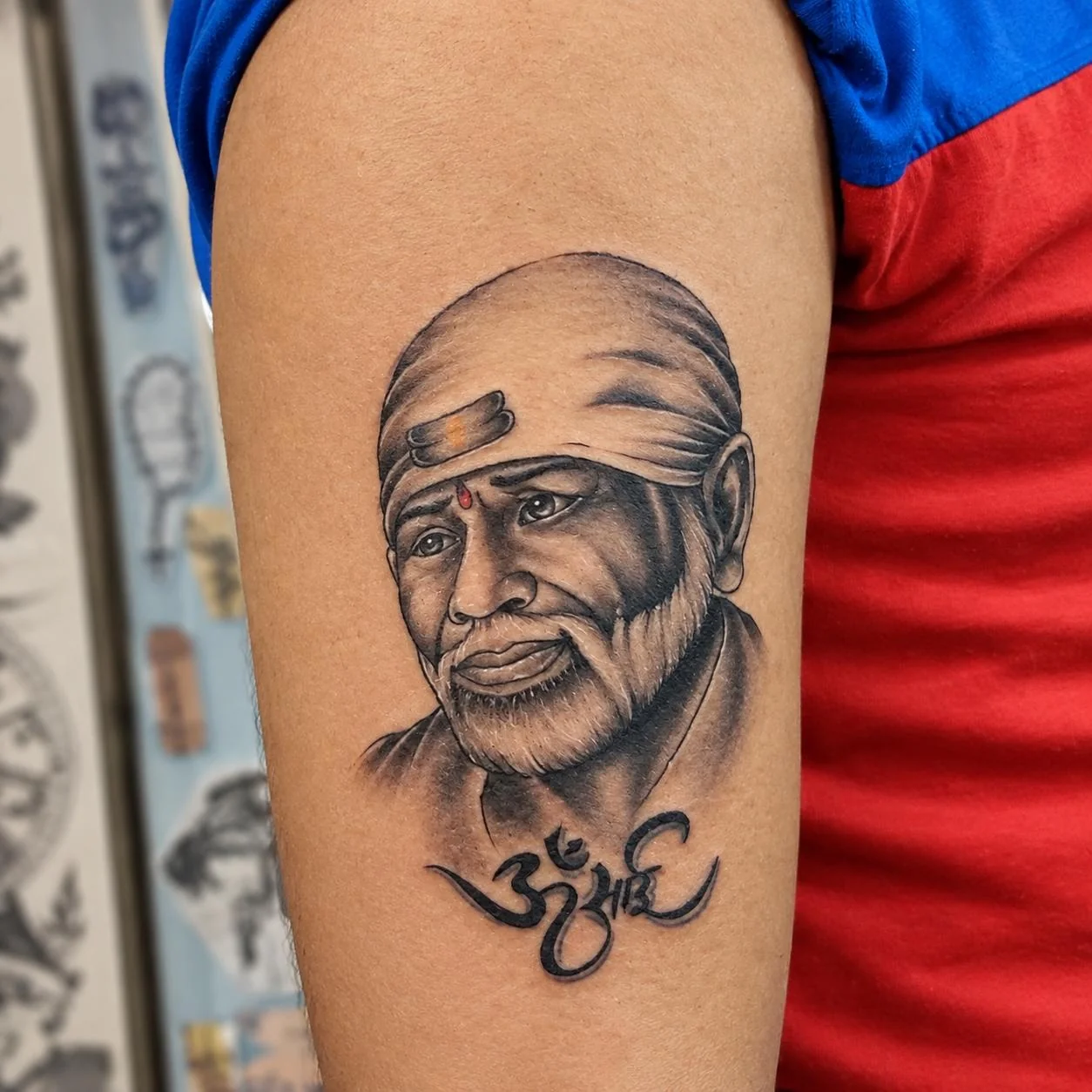
Portraiture demands an even higher degree of technical mastery. Replicating the soft contours of a loved one or a revered spiritual master like Shirdi Sai Baba requires smooth grey wash dilution sets, gentle hand-stippling, and precise tonal mapping to ensure the portrait looks lifelike today and natural ten years from now.
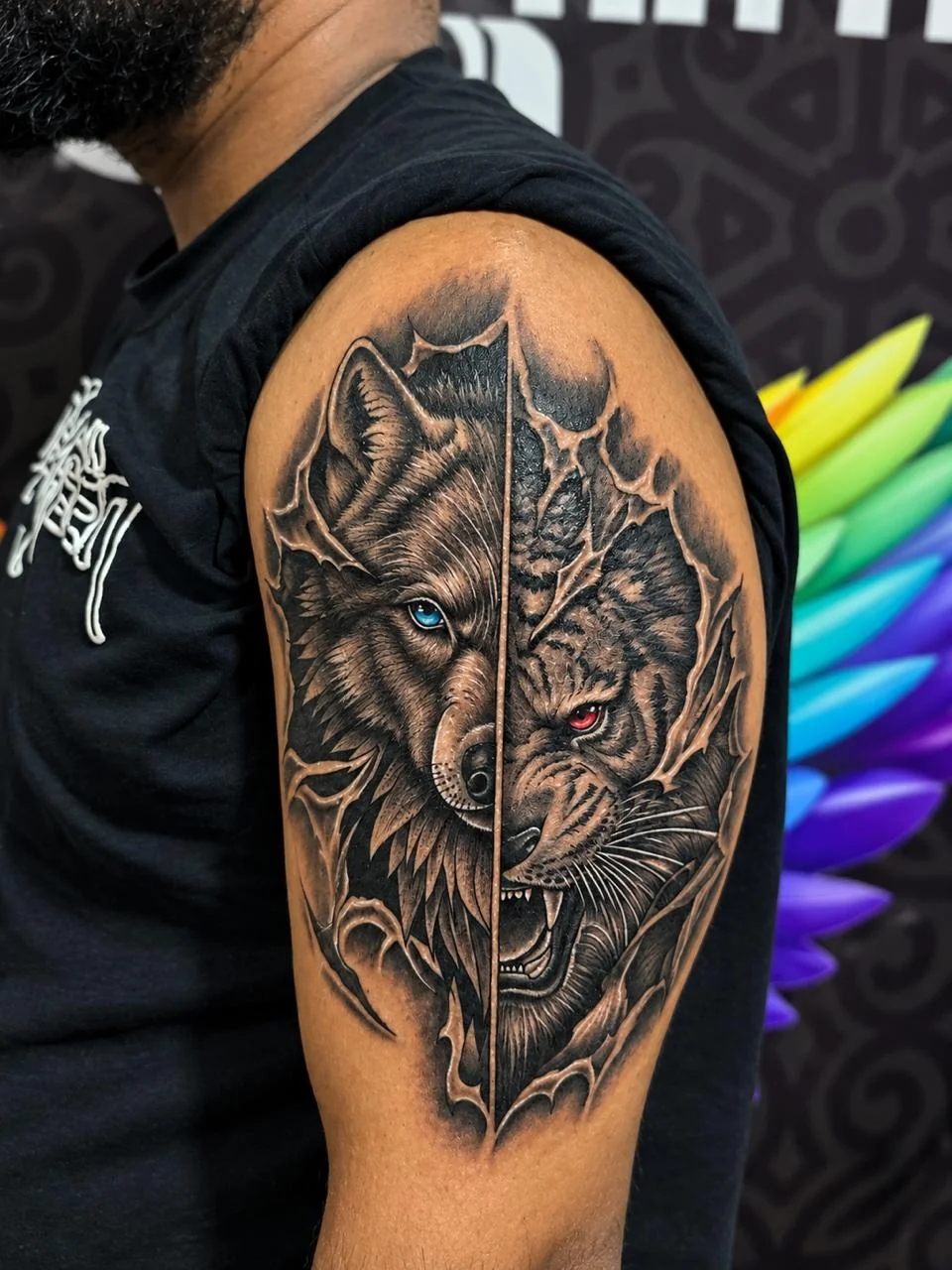
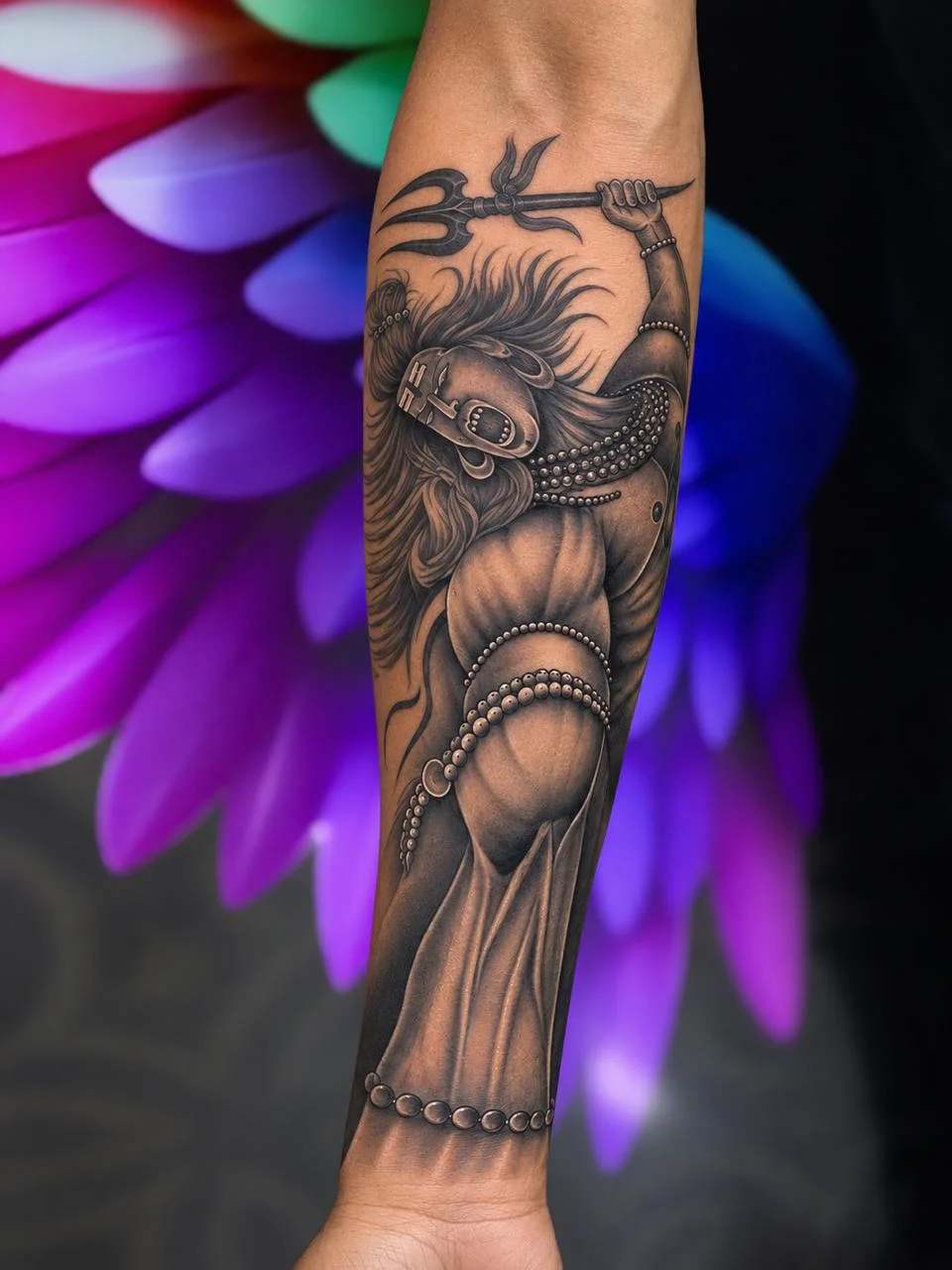
Dynamic animal realism — such as a split-face wolf and tiger design or Lord Shiva in his fierce Rudra posture — balances high-detail fur texturing with deep black shadows, ensuring the creature retains its ferocious depth even as time softens the finest highlights.
Practical Guide: Longevity, Skin Prep & Aftercare Rules
A tattoo's final appearance is a 50/50 partnership: half depends on the artist's needle mastery in the studio, and the other half is determined by how you prepare your skin and care for the open wound during the critical first month.
1. Skin Preparation (The 48-Hour Protocol)
- Hydrate From Within: Drink 2 to 3 litres of water daily leading up to your session. Dehydrated dermis absorbs ink sluggishly, bleeds more readily, and swells faster under needle passes.
- Avoid Alcohol & Blood Thinners: Refrain from alcohol, aspirin, ibuprofen, and excess caffeine for 24 hours prior. Thin blood forces plasma to pool on the skin surface, diluting pigments and obscuring stencils.
- Gentle Exfoliation & Zero Sunburn: Gently exfoliate the target placement two days before your appointment, then moisturize with an unscented lotion. Never tattoo over sunburnt or peeling skin.
2. The Healing Phase: Critical Rules for Tropical & Humid Climates
Healing a fresh tattoo in warm, coastal climates like Goa requires specific precautions against ambient humidity, saline sea breezes, and ultraviolet rays:
- Medical Film (Second Skin) Care: If your artist applies breathable polyurethane second skin (Derm Shield), keep it sealed for 3 to 4 days unless excessive fluid leaks out. When removing, peel gently under warm running water downwards, not upwards.
- Washing Without Scrubbing: Clean the tattoo 2 to 3 times daily using lukewarm water and a fragrance-free, antibacterial liquid soap. Pat dry with a fresh paper towel — never rub with a cloth bathroom towel.
- Light, Breathable Moisturization: Apply an ultra-thin layer of specialized tattoo ointment or unscented lotion. The skin needs oxygen to heal; suffocating a tattoo with thick petroleum jelly invites heat rash and bacterial trapped pockets.
- The Strict Zero-Water Rule: No swimming in the sea, no hotel pools, and no prolonged bathtub soaks for at least 2 to 3 weeks. Chlorine bleaches healing pigment, while ocean saltwater introduces opportunistic marine bacteria.
- Lifetime UV Protection: UV rays are the number one destroyer of tattoo pigment. Once fully healed (after 30 days), always apply broad-spectrum SPF 50+ sunscreen over your ink whenever stepping into the sun.
For an exhaustive breakdown of stage-by-stage healing and local climate tips, explore our complete Goa Tattoo Aftercare Guide.
Crafted at Dynamic Tattoo Studio — Old Goa
Since 2011, Dynamic Tattoo Studio has been a trusted sanctuary for custom, meaningful body art in Goa. Located at Church Basilica Junction, directly opposite the world-heritage Basilica of Bom Jesus, our permanent studio serves local clients from Panjim and Panaji alongside discerning international travelers seeking world-class hygiene, medical-grade sterilization, and custom illustration.
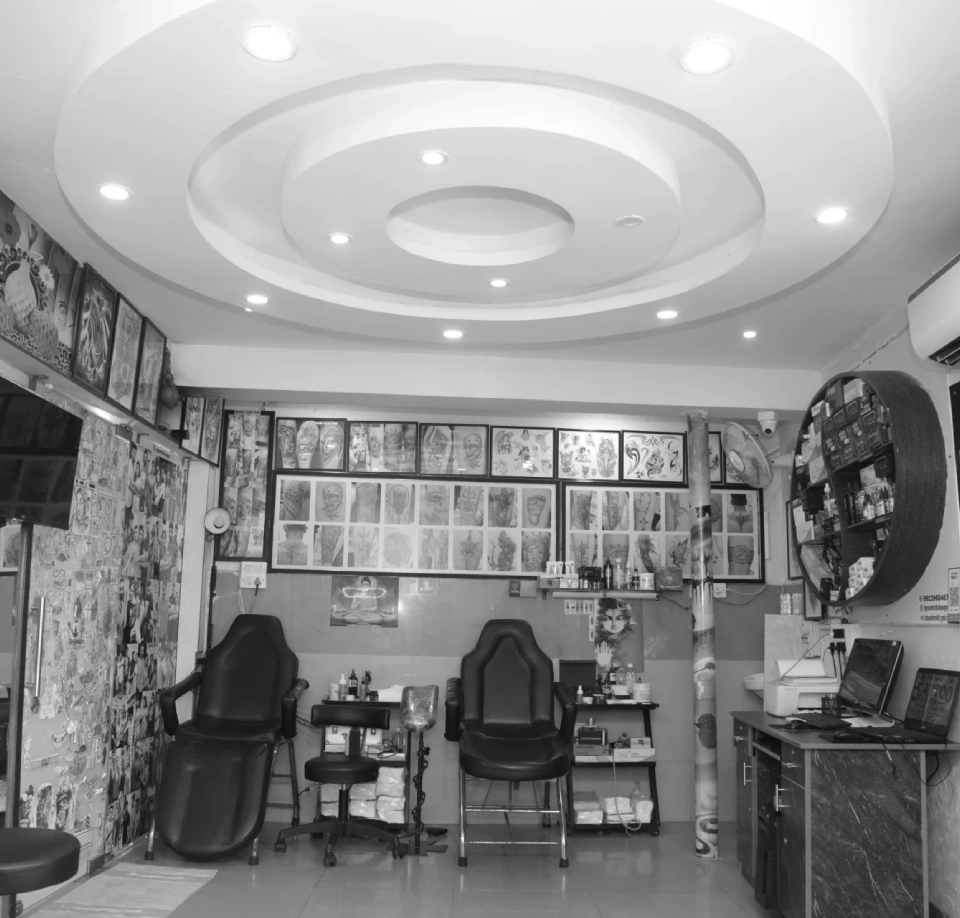
Our resident artists specialize across distinct disciplines — from bold tribal blackwork sleeves and intricate sacred geometry to delicate fine-line script and hyper-detailed portraiture. Every session begins with a comprehensive one-on-one consultation to tailor sizing, stencil placement, and longevity to your unique anatomy.
Meet Our Artists
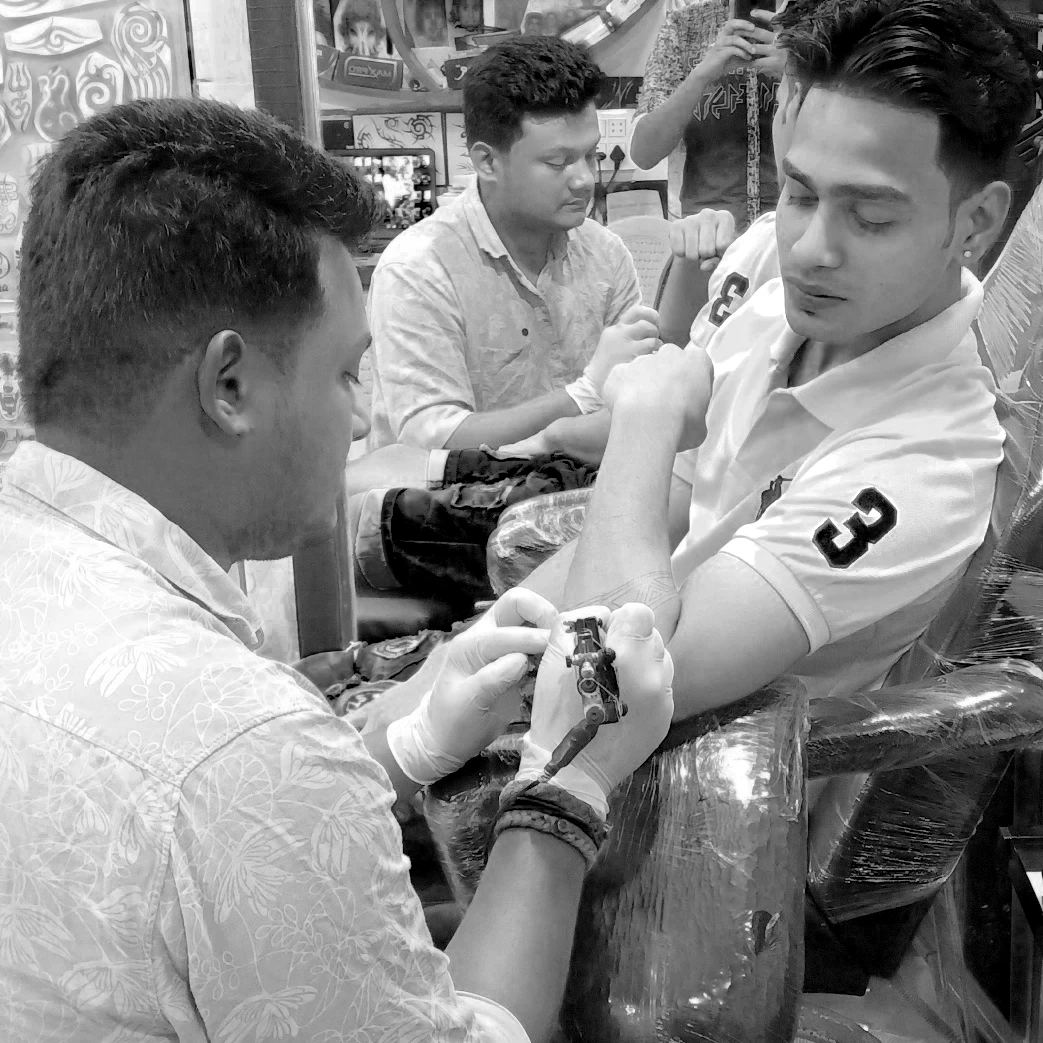
Ravi Khavadiya
Master Tattoo Artist
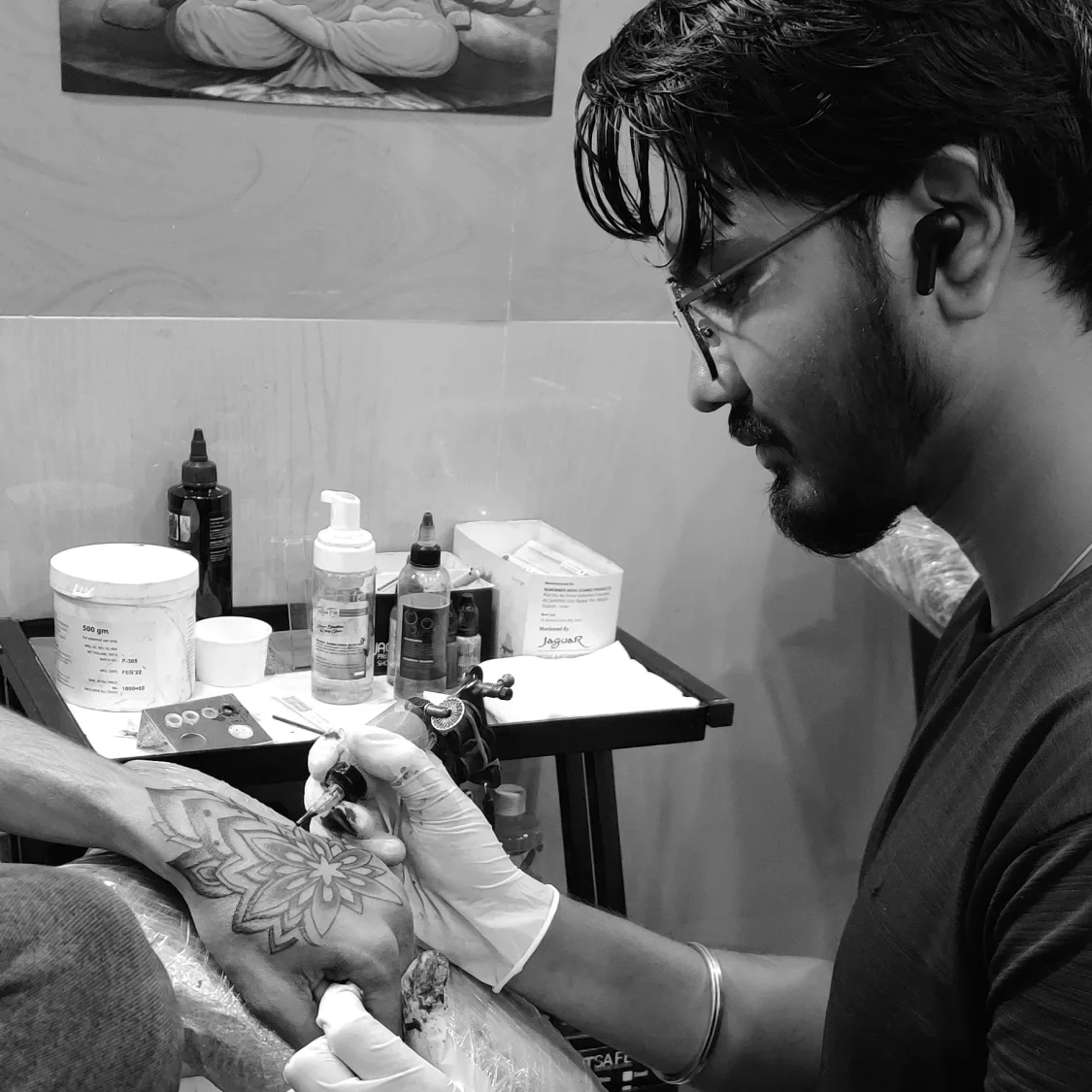
Aakash Khavadiya
Tattoo Artist & Blackwork Specialist
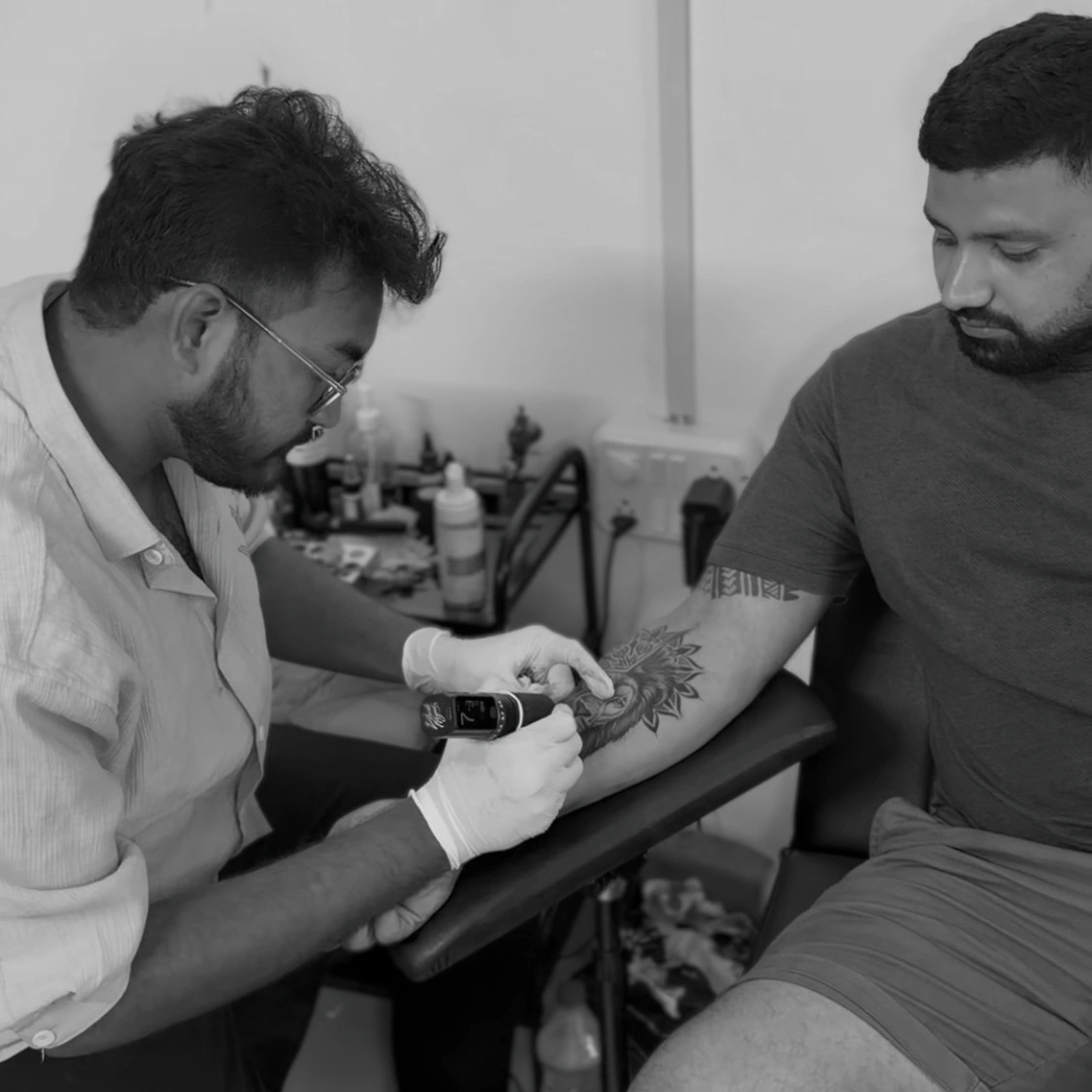
Rahul Khavadiya
Tattoo Artist & Realism Specialist
Read more about our artists and studio hygiene standards.
Frequently Asked Questions
Which tattoo styles hold their detail best after 10 years?
Heavy blackwork, bold neo-traditional, and geometric tribal styles hold their definition best after 10 years. The tattoo adage “bold will hold” is rooted in dermatology: as the immune system slowly moves pigment particles and the skin renews itself over time, tightly clustered micro-lines can broaden. Styles built with high contrast, strong carbon black saturation, and generous negative space give the ink breathing room to age gracefully without blurring into a muddy silhouette.
How do I choose between fine-line and bold blackwork?
Base your decision on your personal aesthetic, anatomical placement, and appetite for long-term maintenance. Fine-line tattooing offers subtle, jewelry-like elegance and whispers softly on the skin, making it ideal for inner forearms, spines, or discreet placements. However, it requires an artist with delicate hand control and may need subtle touch-ups down the line. Bold blackwork creates striking, high-impact statements that accentuate muscular contours and can withstand years of sun exposure and friction with almost zero fading.
What body placements hurt the least for a first tattoo?
The outer arm (bicep and deltoid), outer forearm, and outer thigh are widely considered the least painful areas for a first tattoo. These zones feature thicker skin, fewer concentrated nerve clusters, and a natural cushioning layer of muscle. By contrast, areas where bone sits directly beneath thin skin — such as the ribs, spine, collarbones, ankles, and hands — involve higher vibrational sensitivity and sharper discomfort.
Ready to Transform Your Story into Meaningful Ink?
From initial sketch to healed masterpiece, our team ensures your tattoo flows naturally with your body and stands the test of time. Reach out today for a consultation.