
Tattoo Aftercare in Goa: Healing Tips for Heat, Humidity and Sun
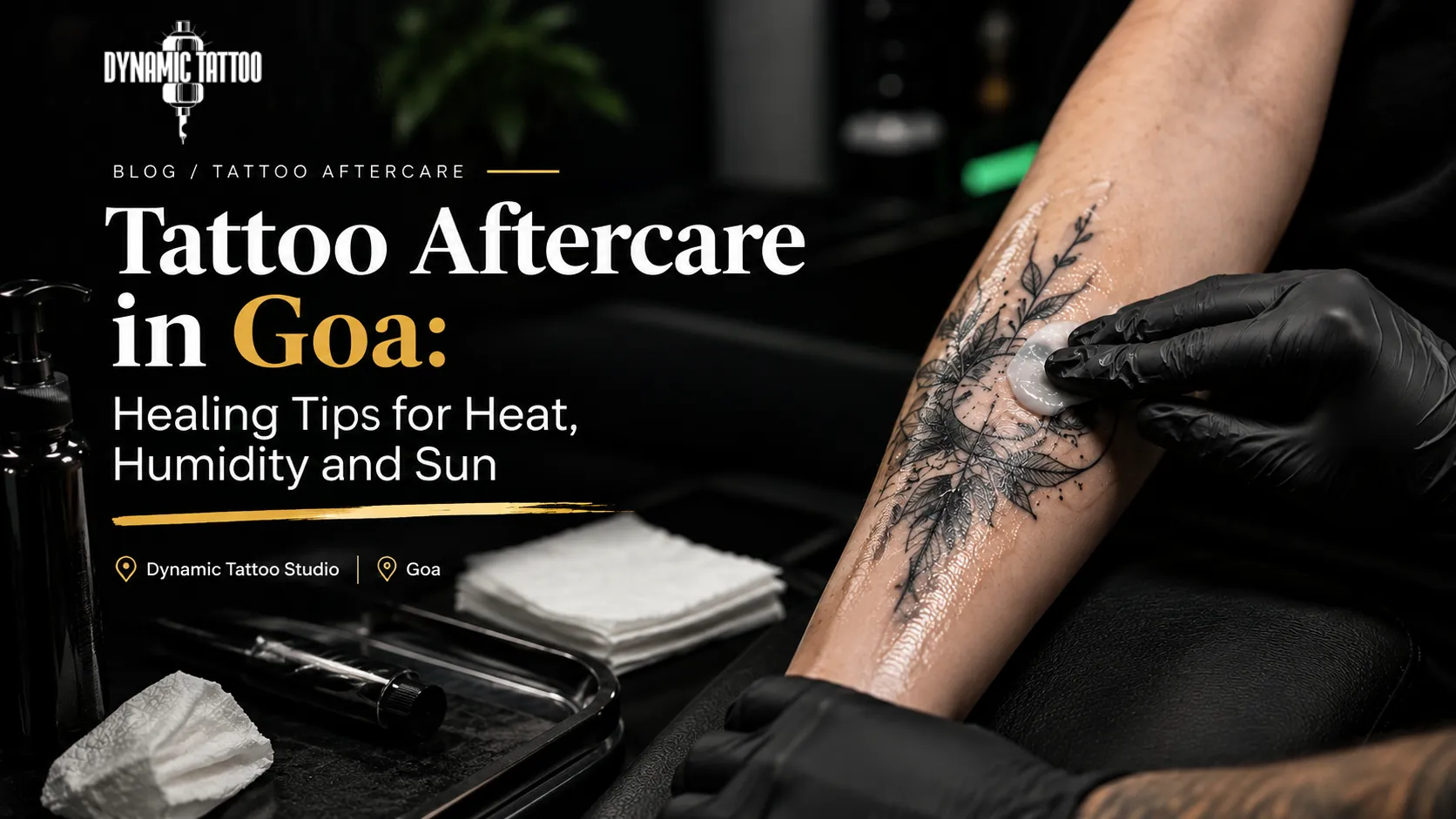
Caring for a new tattoo in Goa requires balancing standard wound hygiene with the reality of tropical heat, high humidity, sea breezes, and strong sun. Whether you are a local resident or visiting Goa on holiday, here is how to protect your fresh ink so it heals cleanly and keeps its definition for years to come.
On This Page
Proper aftercare is essential to the final quality of any tattoo. A fresh tattoo is an open superficial wound before it is settled body art. In the first few weeks, the epidermis repairs itself while the underlying dermis locks pigment into place. How you manage cleanliness, moisture, friction, sweat, sunlight, and swimming directly shapes the sharpness of fine lines and the richness of solid shading.
In Goa, aftercare involves distinct environmental factors. High coastal humidity slows sweat evaporation, intense tropical sunlight can scorch healing skin within minutes, and sandy beaches present contamination risks. By understanding how local conditions interact with healing skin, both Goa residents and holidaymakers can enjoy their ink with confidence.
How Should You Care for a New Tattoo in Goa?
Quick Answer
Follow your tattoo artist’s dressing removal instructions, always wash hands before touching the piece, clean gently with lukewarm water and mild fragrance-free soap, pat dry with a clean paper towel, and moisturize with a micro-thin layer of approved lotion. Protect the area from direct sun, avoid friction and picking, and stay out of pools and the sea until surface healing is complete.
A sensible aftercare routine keeps things simple and hygienic:
- Follow your artist’s specific dressing instructions: Different dressings require different handling. Traditional cling wraps or absorbent pads are typically left on for 2 to 4 hours to catch initial plasma and ink weeping. Breathable adhesive dermal films (“second skin”) may remain in place for 24 hours or longer if intact and comfortable. Do not follow generic schedules; adhere to what your artist specifically applied.
- Wash hands thoroughly before touching: Unwashed hands are the easiest way to transfer bacteria to healing skin. Clean your hands with soap and water before washing your tattoo or applying lotion.
- Clean gently with bare fingertips: Use lukewarm water and a mild, fragrance-free liquid soap. Gently lather away dried plasma and surface fluids using your fingertips only. Never use washcloths, loofahs, or sponges, which can abrade delicate tissue and harbor bacteria.
- Pat dry with a clean paper towel: Blot the skin gently with a disposable paper towel. Avoid shared fabric bathroom towels, which can trap moisture and shed lint onto fresh ink. Allow the area to air-dry for 10 minutes before applying aftercare product.
- Use only recommended aftercare products sparingly: Apply a micro-thin layer of the fragrance-free ointment or lotion recommended by your artist. The skin should look hydrated, not greasy or coated.
- Avoid unnecessary friction and picking: As healing progresses, light flaking and peeling are normal. Never peel loose skin or pick at scabs, as this can pull pigment out of the dermis and cause uneven patches.
- Keep protected from direct sunlight: Shield healing skin from the sun using shade and loose clothing rather than sunscreen during early recovery.
Different styles heal at slightly different rates. Solid blackwork or heavily shaded pieces involve more needle work than delicate fine-line script, leading to more initial weeping. Review our studio’s baseline tattoo aftercare page for immediate and ongoing care steps, or read our broader tattoo aftercare overview.
How Do Heat and Humidity Affect Tattoo Aftercare?
Goa’s climate is warm and humid for most of the year, with relative humidity often exceeding 75%. Humidity is not an automatic cause of infection, and thousands of tattoos heal perfectly in Goa every month. However, high moisture levels in the air do change how your skin behaves.
The main factor is excessive sweating. When sweat sits on open or peeling skin under tight clothes, it can irritate the wound and soften forming scabs. In humid weather, thick petroleum-based ointments trap body heat and perspiration against the skin, which can cause clogged pores, heat rash, or folliculitis (small red bumps around hair follicles). This is why a light, breathable lotion applied in minimal amounts is preferable to heavy salves in coastal conditions.
To care for your tattoo comfortably in Goa’s climate:
- Rinse gently after sweating: If you sweat after walking outdoors or riding a scooter, gently rinse the area with cool or lukewarm clean water, pat dry with a paper towel, and let it air out.
- Wear clean, breathable clothing: Loose cotton garments allow air circulation and help perspiration evaporate naturally.
- Avoid contaminated environments: Steer clear of dusty roadside paths, crowded public transport seats, and gym benches during early healing.
- Avoid over-washing and aggressive scrubbing: Washing your tattoo too frequently strips natural oils and disrupts early tissue repair. Two gentle washes a day are usually plenty, supplemented by simple water rinses if you sweat heavily.
Can You Swim in Goa After Getting a Tattoo?
Quick Answer
No. You should not swim in the sea, resort pools, rivers, or hot tubs while your tattoo is healing. Submerging fresh ink exposes broken skin to bacteria and chemicals, softens scabs, and increases infection risk. Avoid soaking until the tattoo has fully finished peeling and the skin barrier is intact—typically two to four weeks.
Staying out of the water is often the hardest adjustment for people getting tattooed in Goa. However, submerging an open wound in any body of standing or natural water poses significant risks:

- The Sea: The Arabian Sea contains natural marine bacteria, microscopic algae, and high salt concentrations. Seawater stings open skin, delays healing, and can introduce serious bacterial infections into needle punctures.
- Swimming Pools: Chlorine and pool chemicals can irritate raw skin, dry out healing tissue, and cause pigment to leach out unevenly. Public pools also harbor bacteria that chlorination may not instantly eradicate.
- Rivers and Waterfalls: Freshwater rivers and jungle streams carry untreated runoff and sediment that should never contact open skin.
It is important to differentiate between ordinary washing and submersion. A brief shower where clean water runs over the tattoo and is immediately blotted dry is safe and necessary. In contrast, soaking the area underwater softens scabs, breaks down early tissue repair, and opens entry paths for bacteria.
There is no single number of days that guarantees swimming is safe. Healing time varies by individual health, placement, and tattoo size. A small wrist piece might close in two weeks, while a large blackwork sleeve may require four weeks or longer. Never swim until all scabbing and peeling have resolved and the skin feels like normal, intact tissue.
Do Waterproof Dressings Make Swimming Safe?
No. Waterproof adhesive films do not grant permission to swim with a fresh tattoo. Body movement and water can loosen the edges of adhesive dressings, allowing contaminated pool or sea water to enter and become trapped against the wound. Do not use waterproof dressings as an excuse to go swimming while healing.
Can You Go to the Beach After Getting a Tattoo?
Visiting a beach is not the same as swimming, but spending time by the coast still involves sand, coastal winds, and direct sun. Beach sand contains mineral grains and environmental microbes that stick easily to fresh aftercare lotion. If sand rubs against a healing tattoo, it creates painful friction and can introduce bacteria into delicate tissue.

If you visit the coast with family or friends while your tattoo is healing, take sensible precautions:
- Stay on shaded decks or shacks: Avoid sitting directly on sand towels. Raised beach shacks and cafes keep you away from blowing sand.
- Cover the tattoo with loose cotton: An airy cotton shirt or loose trousers will shield the area from windblown grit and ambient sun glare.
- Stay entirely in the shade: Keep out of direct sunlight, using permanent shack roofs, awnings, or beach umbrellas.
- Do not touch with sandy hands: Wash your hands thoroughly with clean water before touching the tattoo or reapplying aftercare cream.
For tourists, spending the first few days after a session exploring Goa’s historic churches, inland spice plantations, or Panjim’s Fontainhas quarter offers great alternatives while the tattoo begins closing over.
How Do You Protect a New Tattoo From the Goa Sun?
Goa receives strong solar radiation year-round. Ultraviolet (UV) light is one of the quickest ways to damage a healing tattoo. UV rays break down pigment particles, aggravate inflammation, and can burn sensitive new skin.
Important Sunscreen Rule
Do not apply sunscreen to an open, peeling, or healing tattoo. Sunscreen lotions contain chemical filters and mineral components designed for intact skin; applying them to an open wound can cause contact dermatitis, stinging, and blocked pores. Rely on loose clothing and physical shade until the skin has completely healed.
To protect your healing ink outdoors:
- Wear loose, tightly woven cotton clothing: Natural fabrics protect against sun without trapping excessive heat.
- Use UPF-rated sun sleeves: For arm or forearm tattoos, lightweight cooling sun sleeves offer reliable UV protection while walking or riding a scooter.
- Stay in the shade during peak hours: Limit direct outdoor exposure between 10:00 AM and 3:30 PM when UV levels are highest.

Long-Term Care Once Fully Healed
Once your tattoo is completely healed—usually three to four weeks post-session, when peeling has ceased and the skin is smooth—sunscreen becomes essential. Using a broad-spectrum sunscreen with SPF 30 to 50+ whenever your tattoo is exposed to daylight protects pigment from breaking down over the years. Sunscreen will not stop every natural sign of skin aging, but it preserves contrast and keeps lines looking crisp far longer.
What Clothing Should You Wear After Getting a Tattoo?
What you wear over a fresh tattoo matters. You want clean, comfortable clothing that reduces friction, breathes easily, and will not stick to the skin.
Natural fabrics such as 100% cotton, soft linen, and bamboo are ideal. Avoid tight synthetic sportswear, nylon, and elastane, which trap sweat against the skin and create a damp environment. Suitable clothing choices depend on where your tattoo is placed:
- Arm and shoulder tattoos: Loose short-sleeved cotton shirts, sleeveless tops, or airy button-downs prevent sleeve rubbing. Avoid tight backpack straps over the shoulder.
- Forearm and wrist tattoos: Loose sleeves that can be rolled up comfortably. Keep watches and bracelets off the tattooed wrist during healing.
- Rib, chest, and back tattoos: Loose, airy shirts. Women should avoid tight underwire bras or compressive sports bras that exert heavy pressure along the rib cage or back.
- Leg and thigh tattoos: Loose cotton shorts, wide-leg linen trousers, or airy skirts. Tight jeans and compressive leggings create friction and should be avoided.
- Ankle and foot tattoos: Open sandals without straps that press against the tattoo. Avoid tight sneakers and synthetic socks that generate heat and sweat.
If fabric ever sticks to a healing tattoo, never rip it away dry. Moisten the cloth gently with clean lukewarm water until it lifts away easily without disturbing scabs.
What Should You Avoid While Your Tattoo Heals?
Protecting a fresh tattoo is largely about avoiding common mistakes during the first three weeks:
- Swimming and prolonged soaking: Avoid the sea, swimming pools, rivers, hot tubs, and baths. Stick to quick, gentle showers.
- Direct sunlight on the healing tattoo: Keep the area shaded and covered with loose clothing; avoid sunbathing and tanning.
- Picking, scratching, or peeling skin: Itching is normal, but scratching or pulling off flakes can pull ink out and cause scarring. Pat gently if itchy.
- Unapproved creams and home remedies: Avoid pure petroleum jelly in thick layers, coconut oil, alcohol-based gels, and over-the-counter antibiotic ointments unless instructed by a healthcare provider.
- Dirty hands and unnecessary touching: Never touch your tattoo without washing your hands, and do not let others touch it.
- Friction from tight clothing: Steer clear of compressive sportswear, rough seams, and tight straps that rub against the piece.
- Ignoring your artist’s dressing instructions: Follow the specific wrap protocol your artist provided rather than conflicting advice found online.
What Is Normal During Tattoo Healing?
Quick Answer
Mild tenderness, slight local redness, limited swelling, light weeping in the first 24 to 48 hours, dry peeling, and surface itching are common parts of normal tattoo healing. Worsening pain after day three, spreading redness, increasing heat, pus, or fever warrant prompt medical evaluation.
Getting a tattoo causes mild, controlled trauma to the skin, which responds with a natural healing process:

- Days 1–3: Mild redness and tenderness around the tattoo, similar to a sunburn. Clear lymph fluid mixed with a little ink may weep from the surface.
- Days 4–7: Weeping stops, tenderness diminishes, and the skin begins to feel dry and tight as light peeling starts.
- Days 8–14: Peeling and flaking continue, often accompanied by itching. The tattoo may appear slightly dull or cloudy as new skin forms.
- Days 15–30: Surface peeling wraps up, the skin regains its normal texture, and deeper layers continue settling.
When to Seek Medical Advice
This information is educational and not a medical diagnosis. Tattoo artists are not doctors. If you notice any of the following symptoms, consult a healthcare professional promptly:
- Pain that worsens after day three rather than improving.
- Redness spreading significantly beyond the tattoo border.
- Increasing localized heat, persistent swelling, or throbbing.
- Thick yellow or green pus, or discharge with a foul odor.
- Red streaks spreading outward from the tattoo.
- Fever, chills, body aches, or feeling unwell.
For severe or rapidly worsening symptoms, seek urgent medical assessment.
Tattoo Aftercare Tips for Tourists Visiting Goa
Getting tattooed while visiting Goa is a great way to remember a trip, but managing aftercare on vacation requires a little planning.
- Schedule your tattoo toward the end of your trip: If ocean swimming, water sports, and beach days are part of your holiday, get tattooed in the last two or three days. That way you enjoy coastal activities freely without worrying about an open tattoo.
- Pack travel aftercare essentials: Hotel soaps are often fragranced and shared towels can carry bacteria. Pack a travel-sized gentle soap, recommended lotion, and a small roll of clean paper towels in your bag.
- Protect your tattoo on travel days: Airplane cabin air is dry and seats harbor bacteria. If wearing a dermal film, leave it on for the flight. If uncovered, keep the piece clean, lightly moisturized, and shielded by loose clothing.
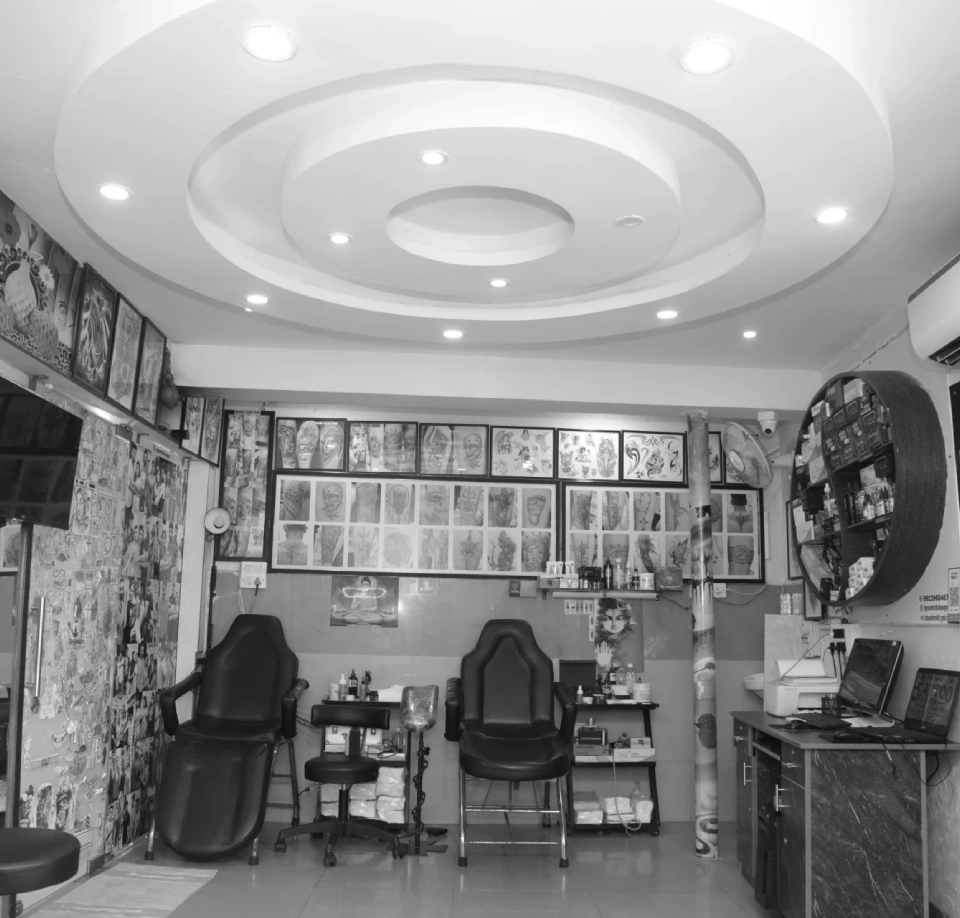
- Follow up with the studio: Permanent studios remain reachable after you leave. Dynamic Tattoo Studio operates year-round at Church Basilica Junction in Old Goa, and our artists are always available by phone or WhatsApp if questions arise after you head home.
Remember that no tattoo heals overnight. Allow adequate time for healing, and do not expect a piece to be fully healed before your flight if you got tattooed late in your holiday.
When Should You Contact Your Tattoo Artist?
Staying in touch with your artist ensures you get clear guidance throughout recovery. Knowing when to message the studio versus when to seek medical help keeps your healing safe:
Contact your tattoo studio about:
- Dressing instructions or if a film begins lifting or leaking fluid early.
- Questions about aftercare products, moisturizers, or washing routines.
- Normal healing progression, expected peeling, and future touch-up appointments once fully healed.
Consult a doctor or clinic if:
- You suspect an infection (spreading redness, increasing heat, pus, red streaks, or worsening pain).
- You experience fever, chills, or systemic symptoms.
- You notice an allergic skin reaction such as severe rashes or widespread blisters.
Aftercare Guidance at Dynamic Tattoo Studio
Established in 2011, Dynamic Tattoo Studio is located at Church Basilica Junction, Opposite Old Goa, directly across from the Basilica of Bom Jesus. Serving clients from across Goa, including Panjim and Panaji, as well as visitors from across India and overseas, our artists specialize in realistic tattoos, mandala artwork, traditional designs, and black and grey work.
Every client leaves our studio with clear, personalized aftercare advice designed for their design, placement, and lifestyle. If you have questions about caring for your tattoo, our artists are always ready to help.
The Artists
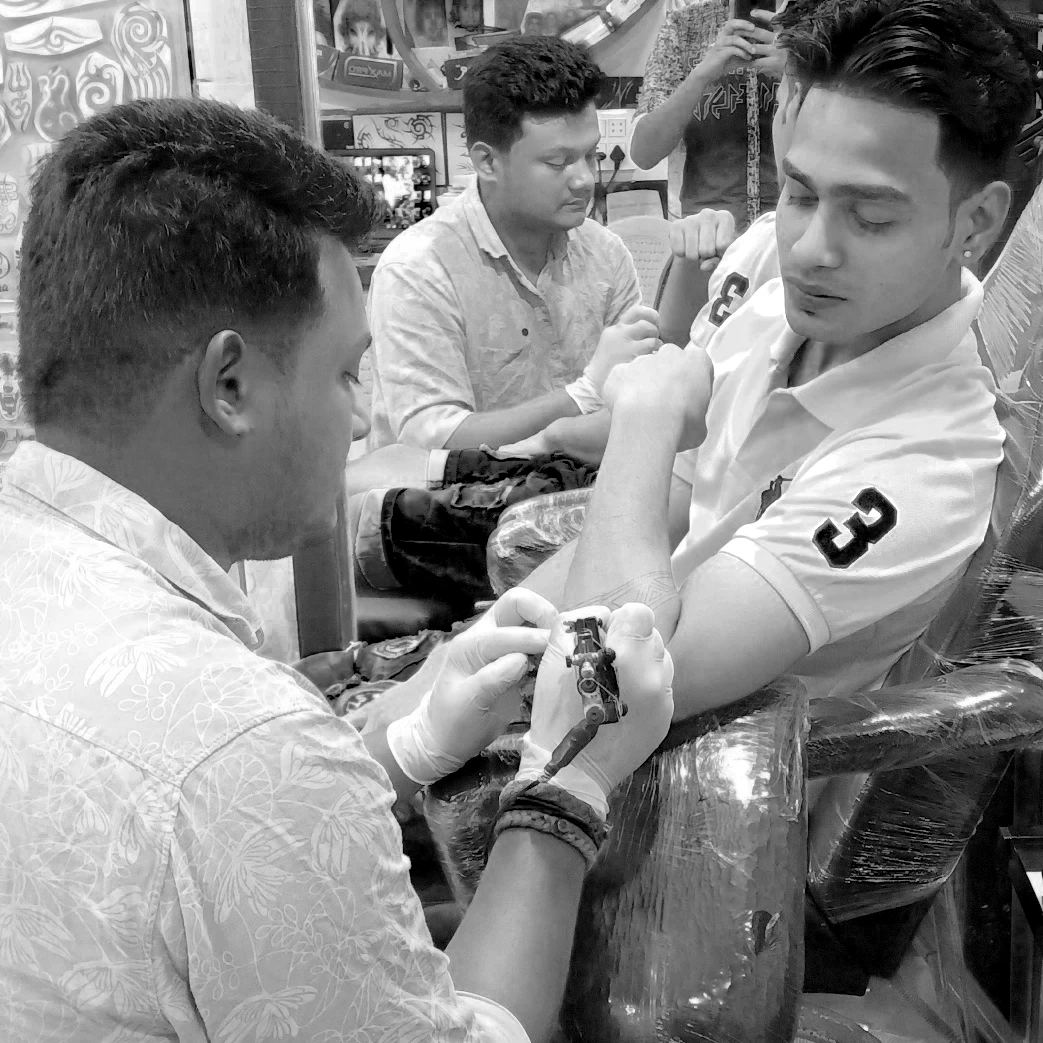
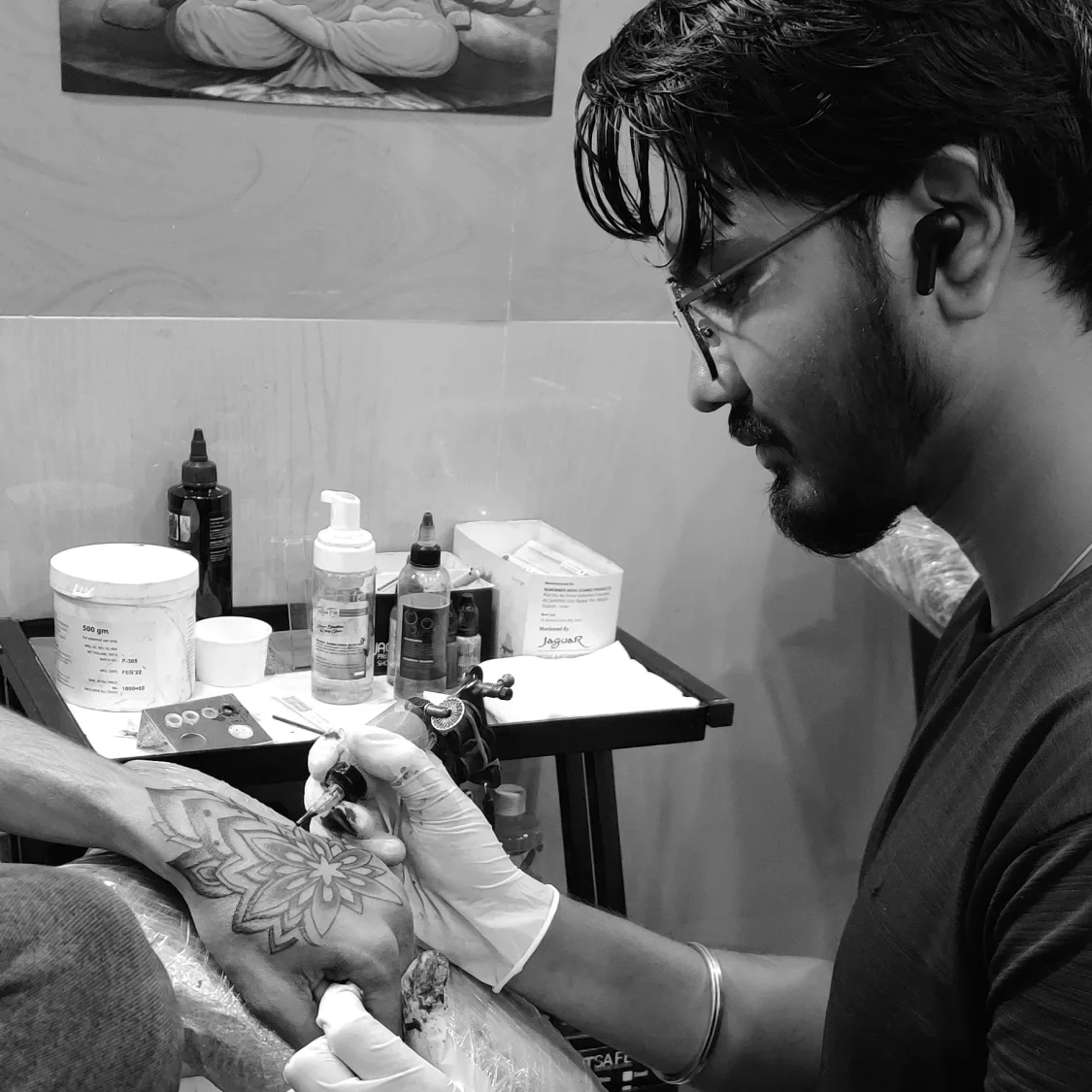
Ravi Khavadiya
Tattoo Artist
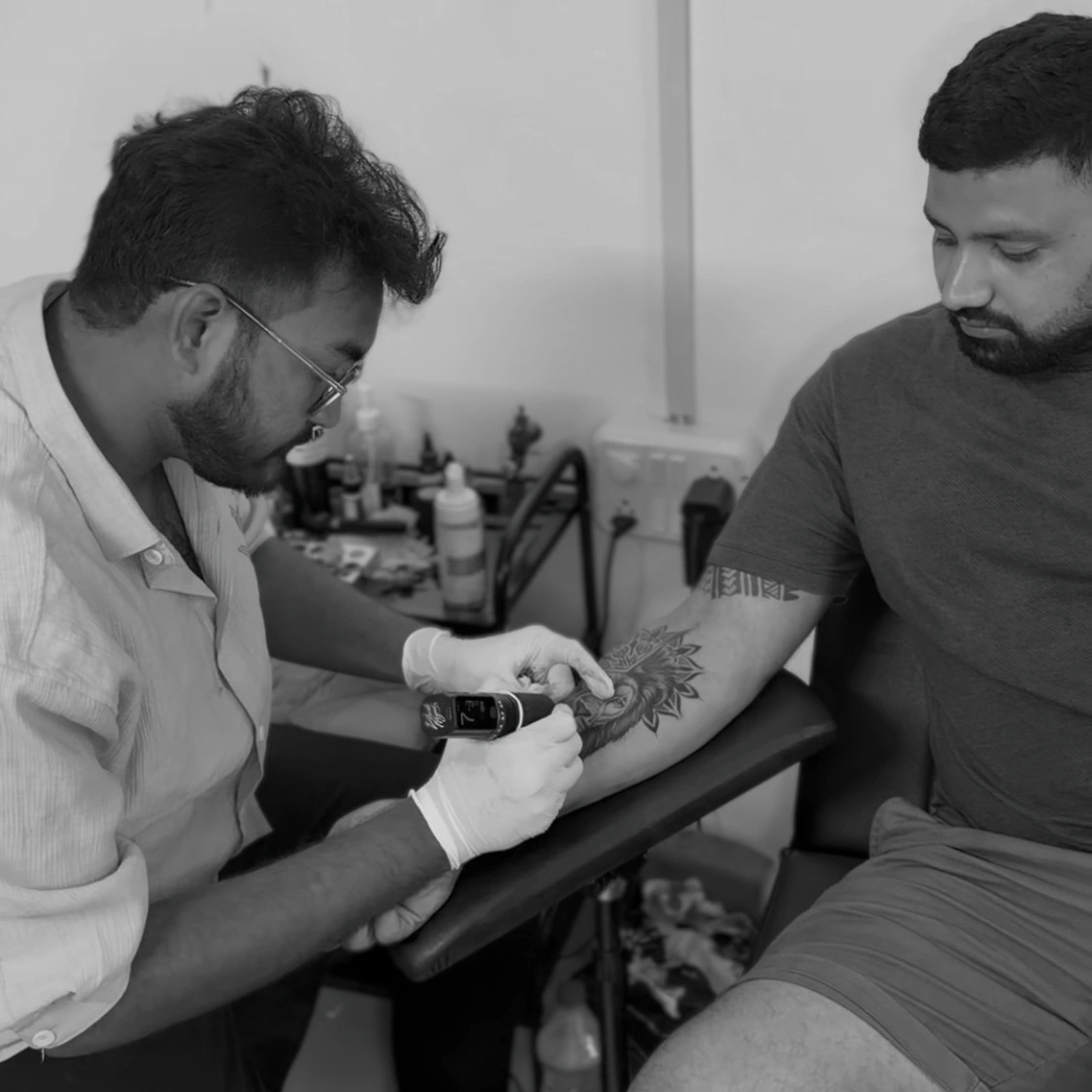
Aakash Khavadiya
Tattoo Artist
Rahul Khavadiya
Tattoo Artist
Frequently Asked Questions
How do I care for a new tattoo in Goa?
Keep your artist’s dressing on as instructed, wash hands thoroughly before touching the area, and clean gently using lukewarm water and mild fragrance-free soap. Pat dry with a single-use paper towel and apply a micro-thin layer of recommended aftercare lotion. Wear loose, breathable cotton clothing, keep the tattoo completely shaded from direct sunlight, and refrain from swimming or picking at flaking skin while the surface heals.
Can I swim in the sea after getting a tattoo?
No. You should not submerge a healing tattoo in the Arabian Sea, swimming pools, rivers, or hot tubs. Seawater contains marine bacteria and salt that irritate broken skin, while chlorinated pools introduce harsh chemicals. Submerging open skin softens delicate scabs and invites infection. Avoid immersion until the tattoo has fully finished peeling and the skin barrier has completely closed, typically two to four weeks.
Does humidity affect tattoo healing?
Goa’s coastal humidity slows sweat evaporation. If heavy, occlusive ointments like petroleum jelly are applied too thickly, they trap perspiration against the wound, potentially causing clogged pores or heat bumps. In humid climates, use lightweight, water-based lotions sparingly, rinse gently after heavy sweating, and wear airy fabrics to let the skin breathe naturally.
Can I go to the beach with a new tattoo?
You can visit shaded coastal shacks or seaside cafes, but you should not sunbathe, lie on the sand, or enter the water with an unhealed tattoo. Wind-blown sand is abrasive and carries bacteria, while intense tropical UV penetrates lightweight fabrics. Keep the tattoo loosely covered in opaque cotton, stay strictly in the shade, and avoid touching the area with sandy hands.
When can I expose a healed tattoo to sunlight?
Wait until the tattoo has fully finished peeling, scabbing, and settling—usually three to four weeks—before exposing it to direct sun or applying sunscreen. Never put sunscreen on an open, peeling wound. Once the skin is fully regenerated, apply a broad-spectrum sunscreen with SPF 30 to 50+ to protect pigment from UV-induced fading.
What clothing is best after getting a tattoo?
Loose, clean clothing made from natural fibers like 100% cotton or lightweight linen is best. Loose garments minimize friction against tender skin, allow cooling airflow, and reduce sweat accumulation. Avoid tight synthetic sportswear, rough denim, and tight straps that rub directly across the tattooed zone.
What symptoms mean I should seek medical advice?
While mild redness, slight swelling, and peeling are normal, you should seek prompt medical advice if you experience worsening pain after day three, expanding redness, increasing heat, persistent throbbing, pus or foul-smelling discharge, or systemic symptoms like fever and chills. These signs suggest infection or dermatitis and warrant evaluation by a doctor.
Where can I get tattoo aftercare advice in Goa?
You can consult the experienced artists at Dynamic Tattoo Studio in Old Goa (Church Basilica Junction, opposite Old Goa). Call or WhatsApp +91 99239 68487 for professional aftercare guidance tailored to your session and Goa’s tropical climate.
NEED ADVICE ABOUT YOUR NEW TATTOO?
Whether you need session-specific healing advice, want to confirm an aftercare step, or are ready to schedule your next custom piece, our artists are here to help. Reach out directly or visit our Old Goa studio opposite the Basilica of Bom Jesus.